

Children's dreams are often perceived as something naive. "They'll grow out of it," "they'll change their mind," "it's just fantasies." But we suggest looking at dreams differently: as an important indicator of a child's inner world, their needs, values, and way of interacting with the world. The ability to imagine the future, fantasize, and formulate what is desired is directly related to emotional resilience, self-esteem, and a sense of inner strength. In other words, dreams are not only a projection of the future but also an indicator of how a child lives now.

Children's dreams are more than they seem
For a child, a dream is a way to understand themselves. Through images and fantasies, they learn to answer basic questions: who am I, what am I interested in, where do I feel safe. That is why dreams can be called the language of inner experience.
🗸 An important point: dreams can change often. From the perspective of brain development, this is completely natural. The prefrontal cortex, responsible for planning and long-term decisions, is still developing in children. Instead, imagination works actively.
When we allow dreams to change, the child learns flexibility.
What different children's dreams really say
Modern approaches advise not to interpret dreams literally, but to look at the meaning behind the image.
Dreams of "becoming someone" usually speak of qualities the child values or wants to develop: strength, care, freedom, recognition. Dreams of travel and adventure are often related to the need to explore the world and go beyond the familiar.
And quiet, barely noticeable dreams – about safety, acceptance, personal space – often signal a child's inner sensitivity. Sometimes, these "unobvious" dreams are the most often unheard, but they form a deep sense of self.

How adults unintentionally harm dreams
The greatest harm occurs when a dream is evaluated rather than listened to. Rationalization ("it's unrealistic"), devaluation ("you'll change your mind a hundred times"), or imposing scenarios ("it's better to choose something stable") disrupt the child's contact with their own desires.
The child begins to focus not on inner response, but on external evaluation. Over time, this can lead to difficulties in making decisions and a feeling of "I don't know what I want."
How to support children's dreams without pressure
Modern parenting approaches emphasize the importance of an emotionally safe space. This means: a dream does not need to be corrected, checked for logic or usefulness.
A useful practice is to ask open, non-judgmental questions: "What do you like about this?", "What feelings do you have when you think about it?" Such questions help the child better understand their own experiences.
Fixing dreams through creativity works very well. Drawing, sketching, short notes – this is a form of gentle art therapy, accessible in everyday life. The child does not need to be able to "draw well." The process of expression itself is important.
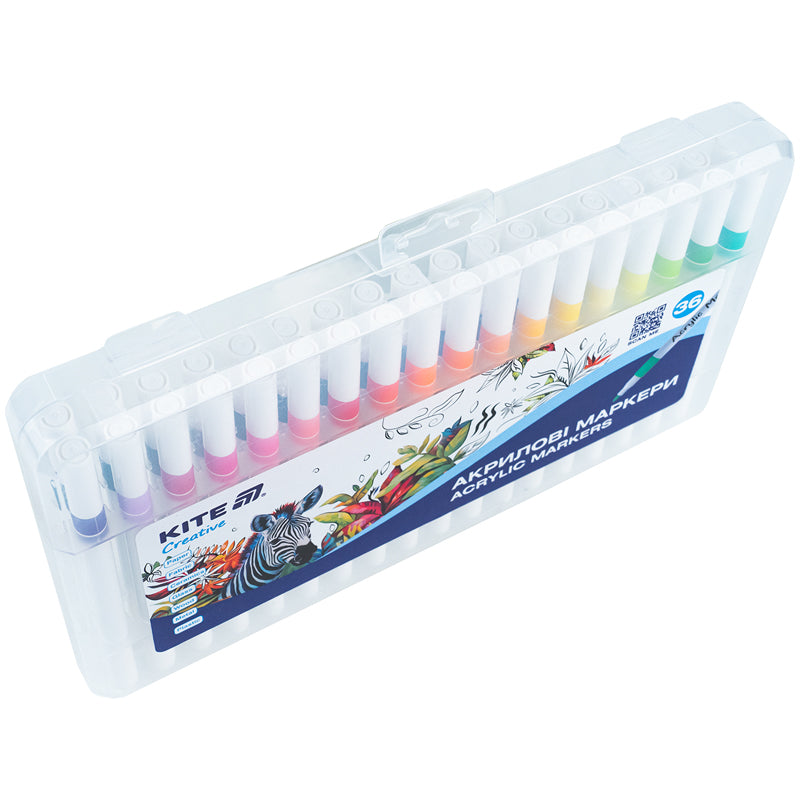
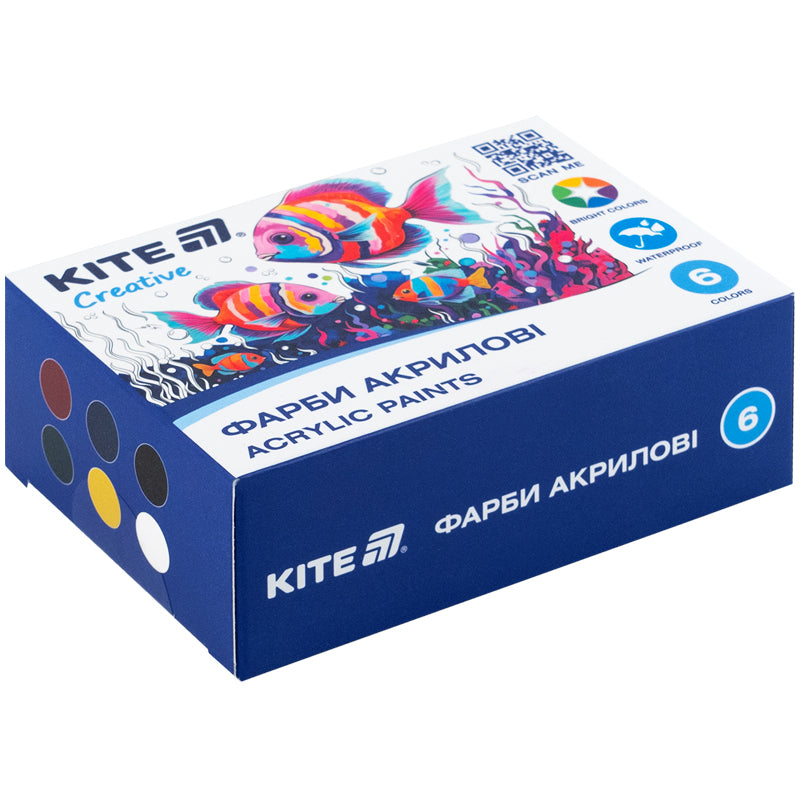
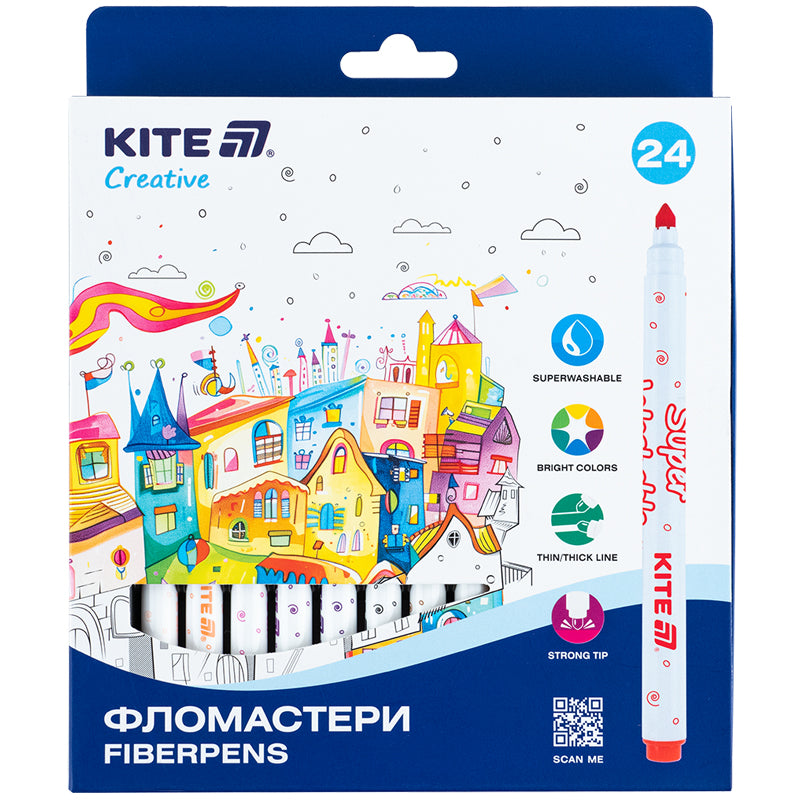
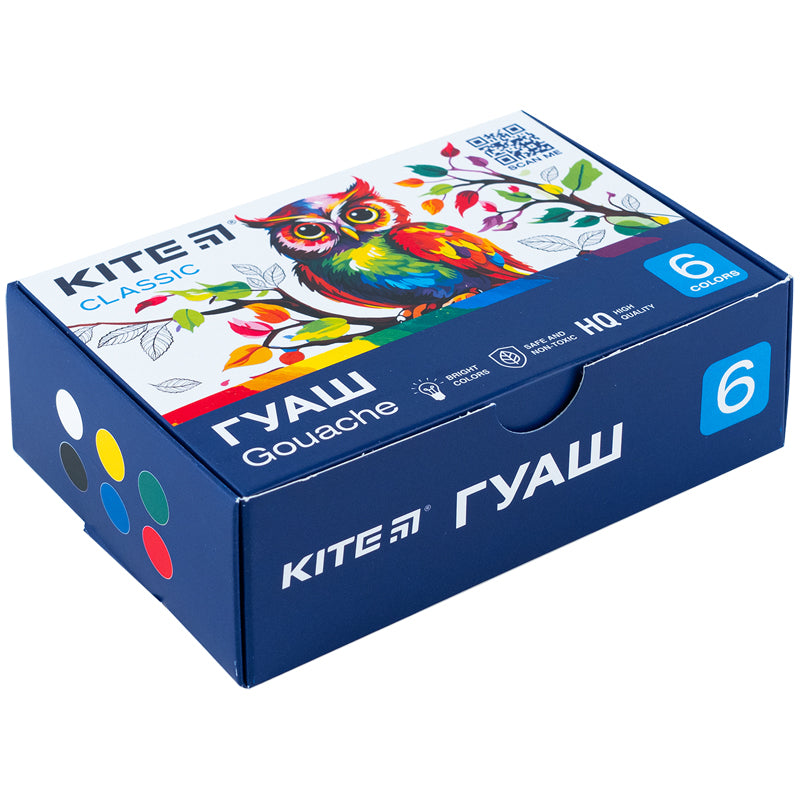
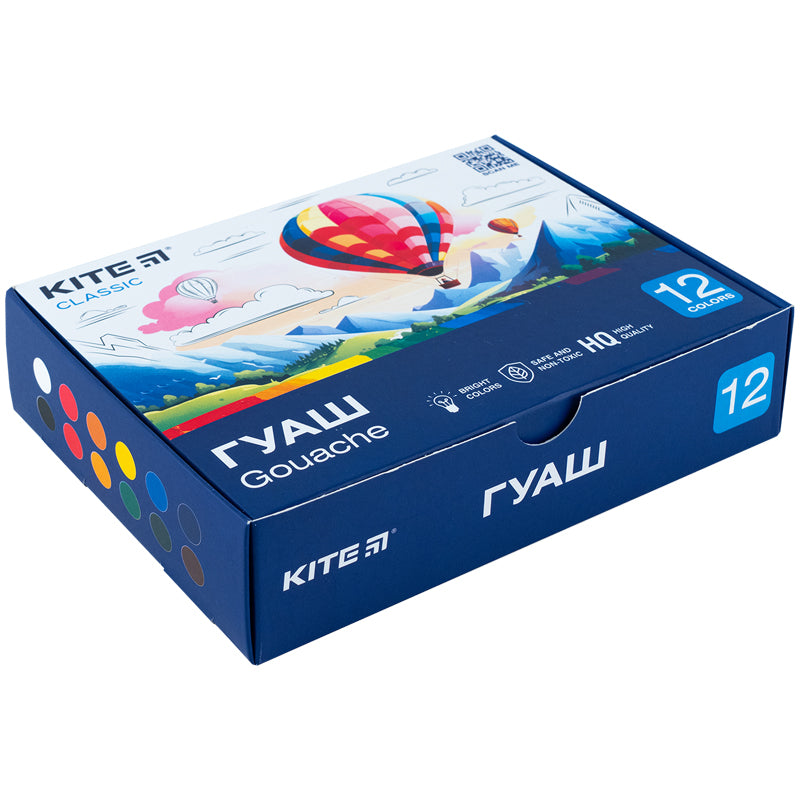
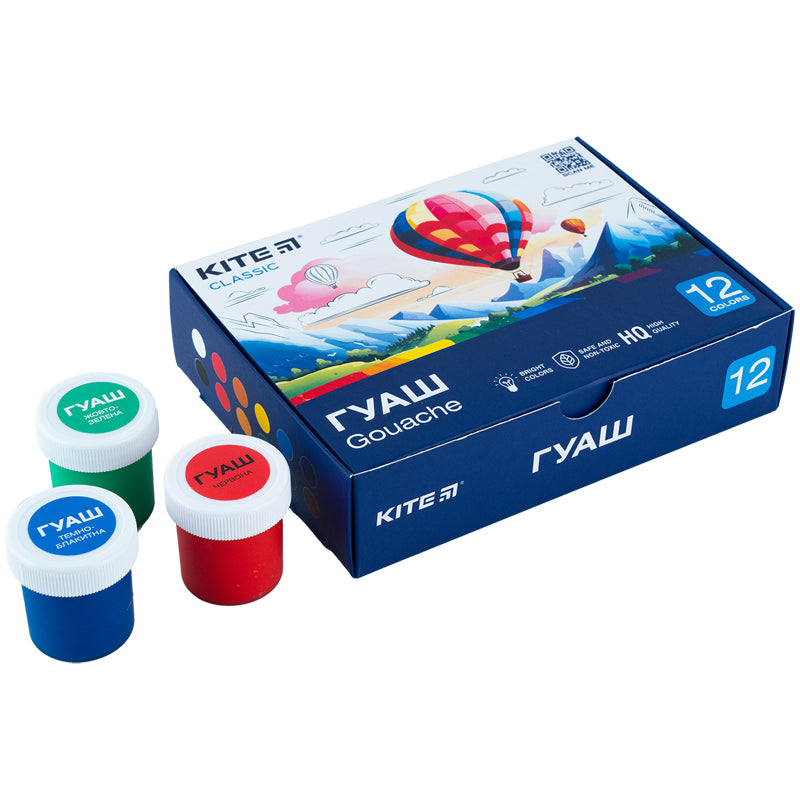
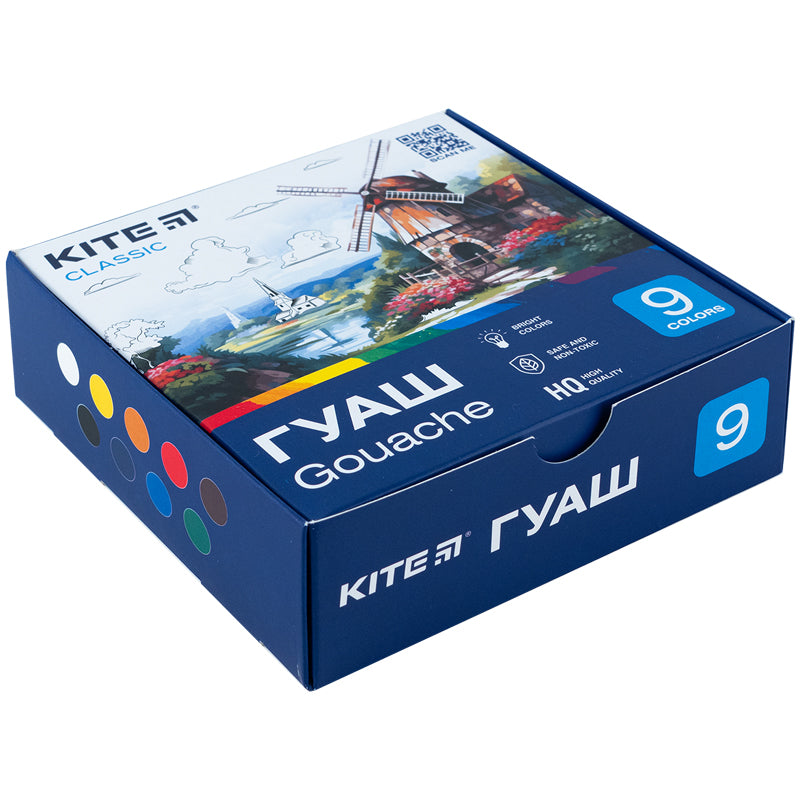
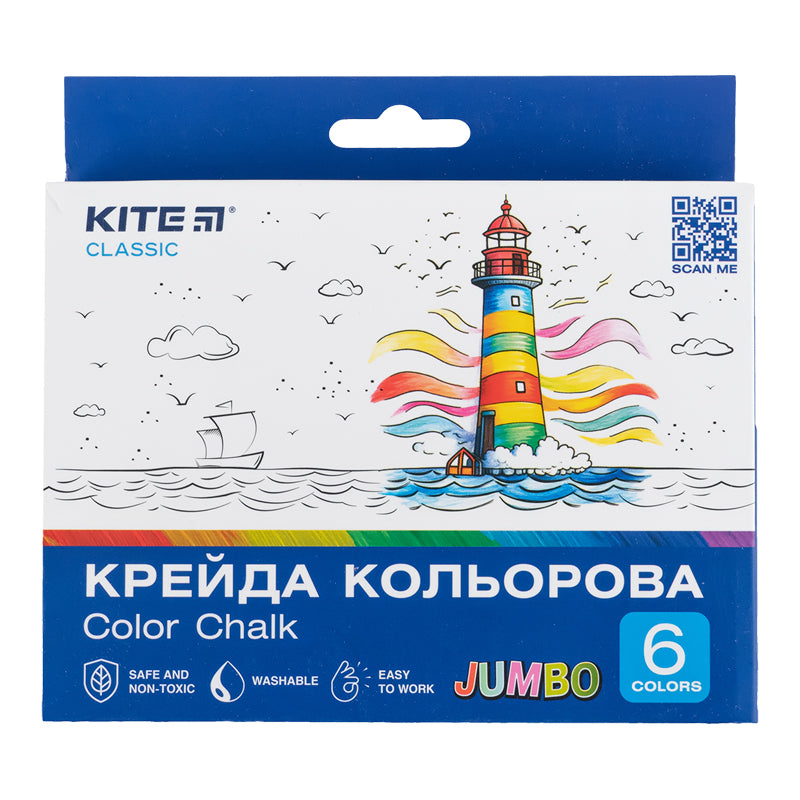
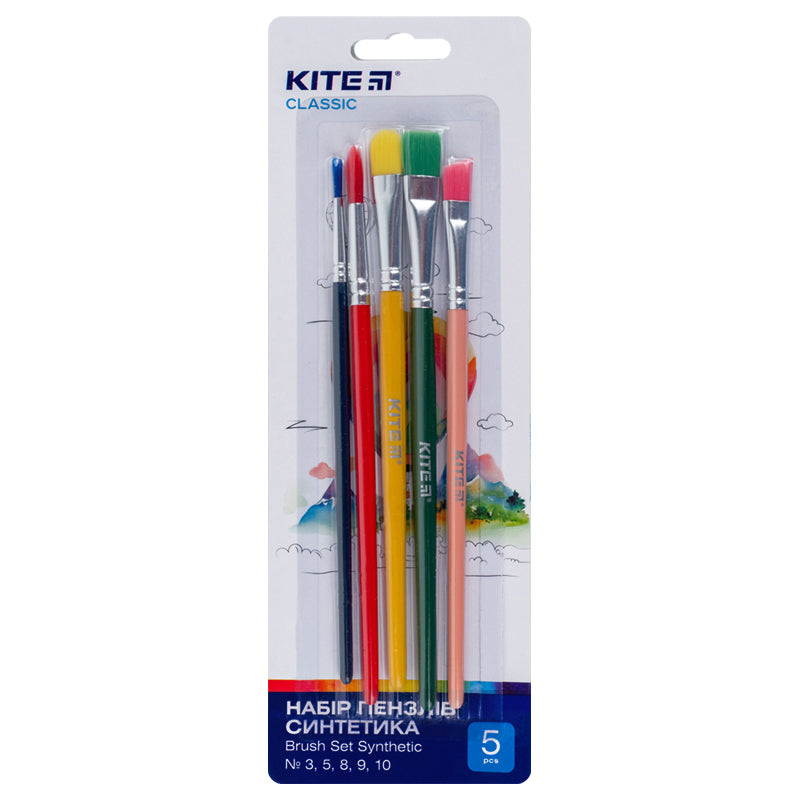
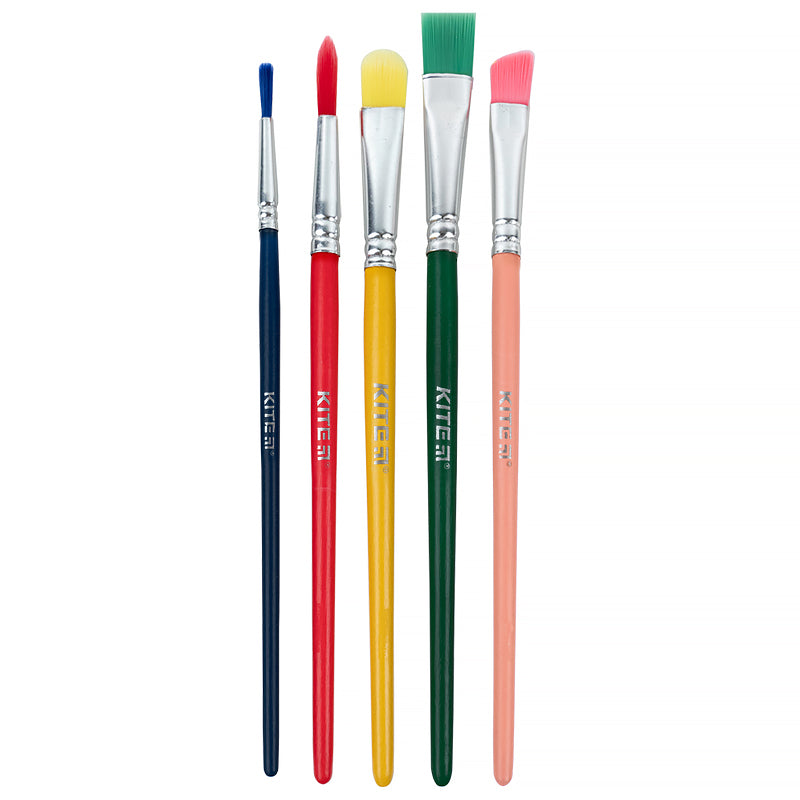
🗸 For such daily contact with thoughts and desires, a reliable artistic base is needed. Kite Classic is all about this: paints, pencils, markers that are always ready to visualize dreams. Even the details of the packaging design here work on imagination: unfinished elements seem to invite you to draw your own, continue the story, add meaning. This often becomes the first step to a conversation with your own dreams.

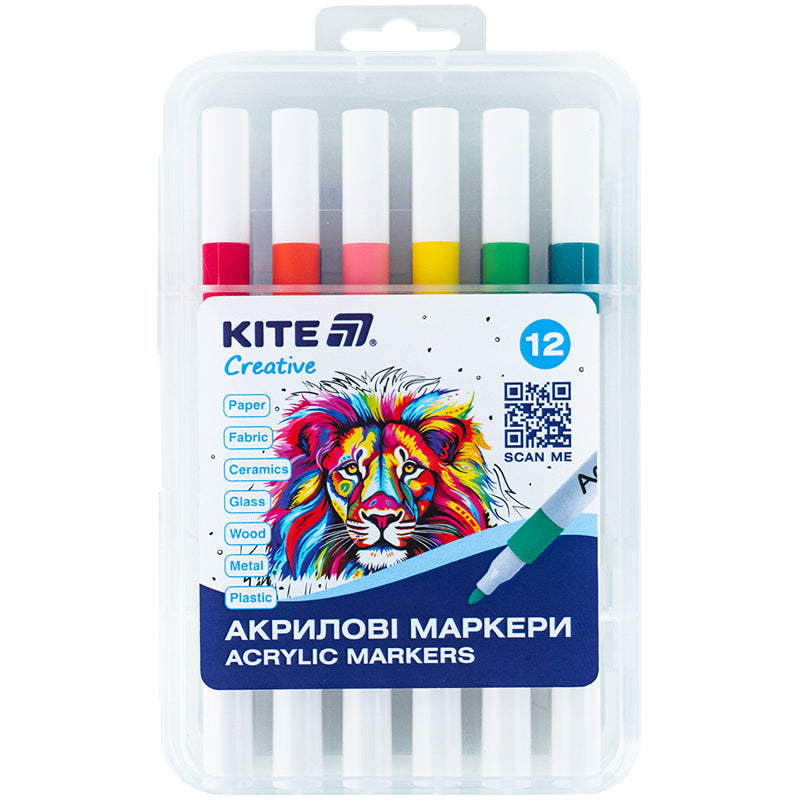
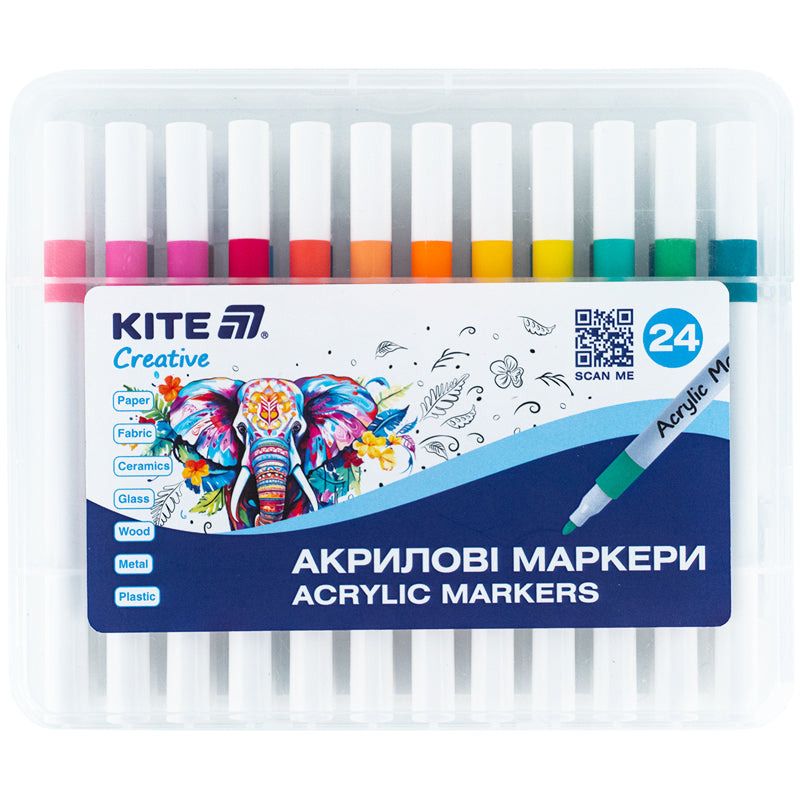
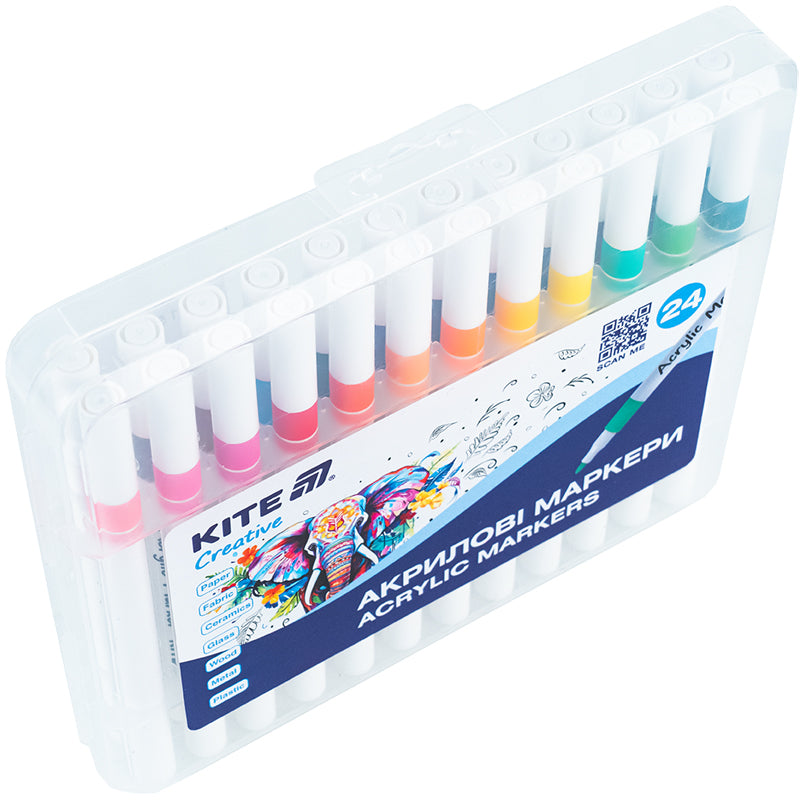
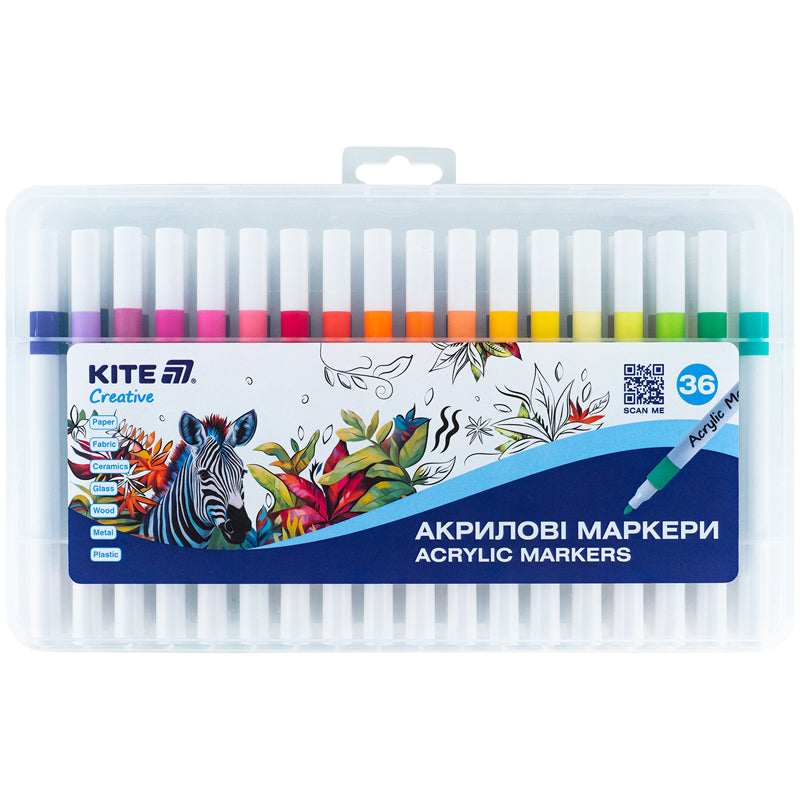
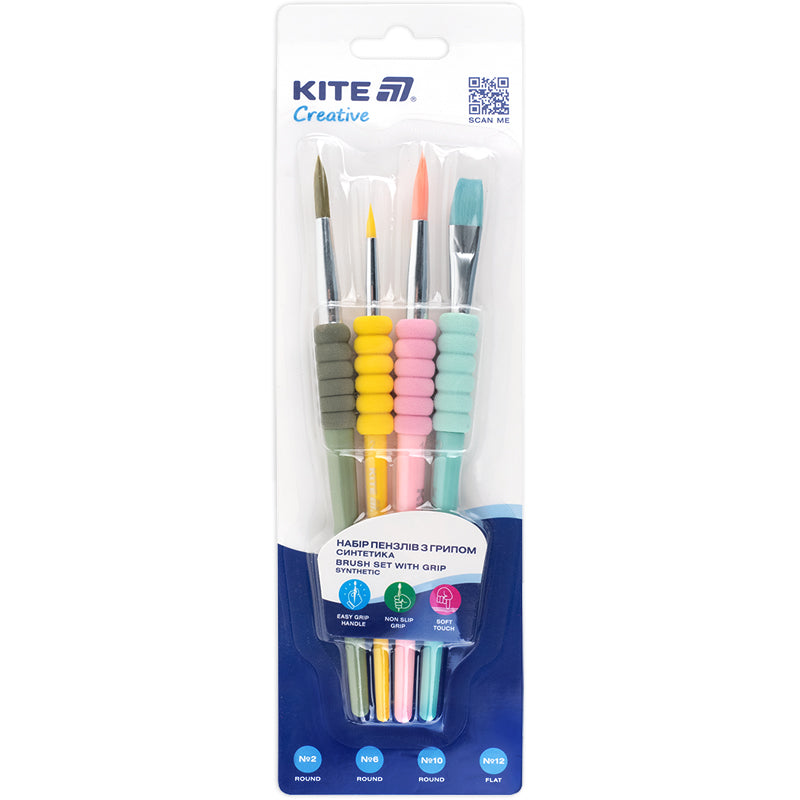
🗸 When a child wants more freedom, there is room for experiments. Kite Creative expands the boundaries of traditional drawing: interesting effects, bright accents, the ability to work with different surfaces. This is about dreams that change and try themselves in different forms. Here you don't have to know what will come out – and often something special is born in this very process.

At such moments, stationery stops being a way to think, imagine, fix a direction. A small but important step towards ensuring that dreams do not dissolve but remain with the child – on paper and in color.

Practical block: simple exercises for realizing dreams
1. "My wish today"
Suggest that the child draw or write down one thought about what they want right now once a week. Without analysis and corrections. Without wishing for the distant future. This helps to focus on the present moment, to listen to oneself more attentively.
2. Breathing for grounding

When a child finds it difficult to concentrate or is overtired, help them focus and calm down. A few slow inhales and exhales, imagining how the air "inflates a balloon" in the stomach. For younger children, you can use imaginative stories, for example from the books "Puff and Blow", where breathing exercises are presented as a game.
3. "Dream map without urgent goals"
Not for achievements, but for feelings. What do you want to feel? Calm? Joy? Curiosity? The child can draw or describe it in their own words.
How supporting dreams shapes the future
Children who were supported in their dreams are better at recognizing their needs in adult life. They are less likely to focus only on external expectations and adapt more easily to change.

Children's dreams shape not so much a profession as a way of thinking – the ability to see options, imagine the future, and not be afraid of one's own desires.
Before New Year: dreams, wishes and hopes
The pre-New Year period is an ideal time not only for lists of achievements, but for a quiet inner summary. This is especially important for children. Suggest thinking not about who to become, but about what you want more in life next year: peace, joy, new experiences, warmth.
Dreams are born in the heart. And they find their manifestation in small daily actions – drawings, sketches, notes. The child records thoughts and learns to listen to themselves. And we learn to support them.
For the holidays, give yourself and your child time for a shared creative moment: draw, write, color together. And let dreams come alive with Kite.