

Let's talk about the moment when a child comes home from school, eyes shining, talking about a new song learned in the vocal club. Or about a self-painted picture that they can't wait to hang on the wall. Or about winning a school football match where they felt like part of a team. These aren't just moments of joy – they are small but important steps towards a great, happy future.

Children involved in extracurricular activities have a special worldview. They are bolder in their decisions, more self-confident, and more open to new things. Why is that? Because each club is an entire universe of opportunities. There, a child not only learns something new but also explores their limits, tries, makes mistakes, and finds themselves.

Extracurricular activities are essential for every child
Creativity that restores balance
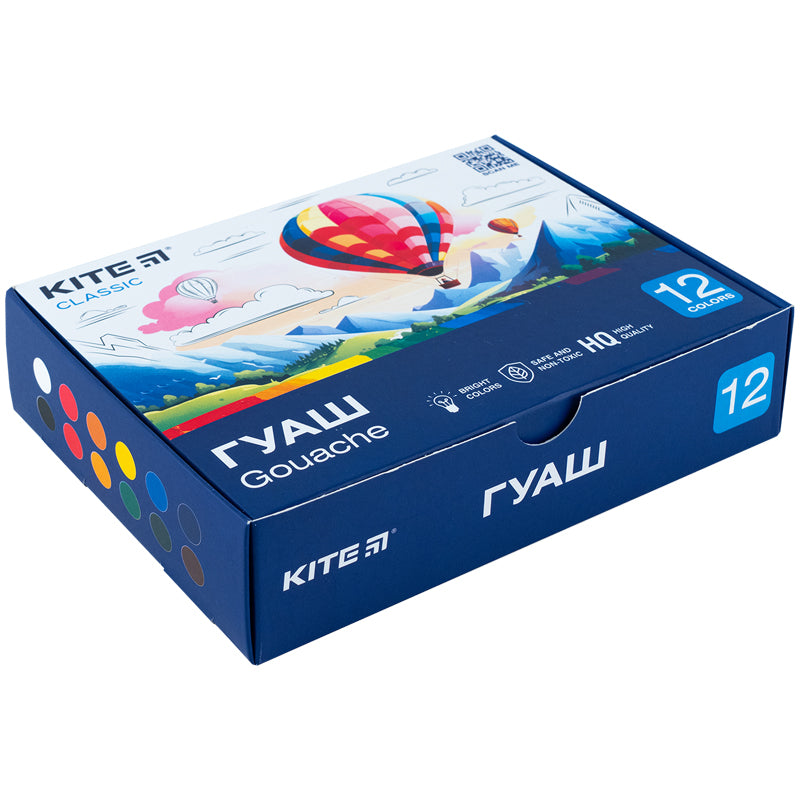
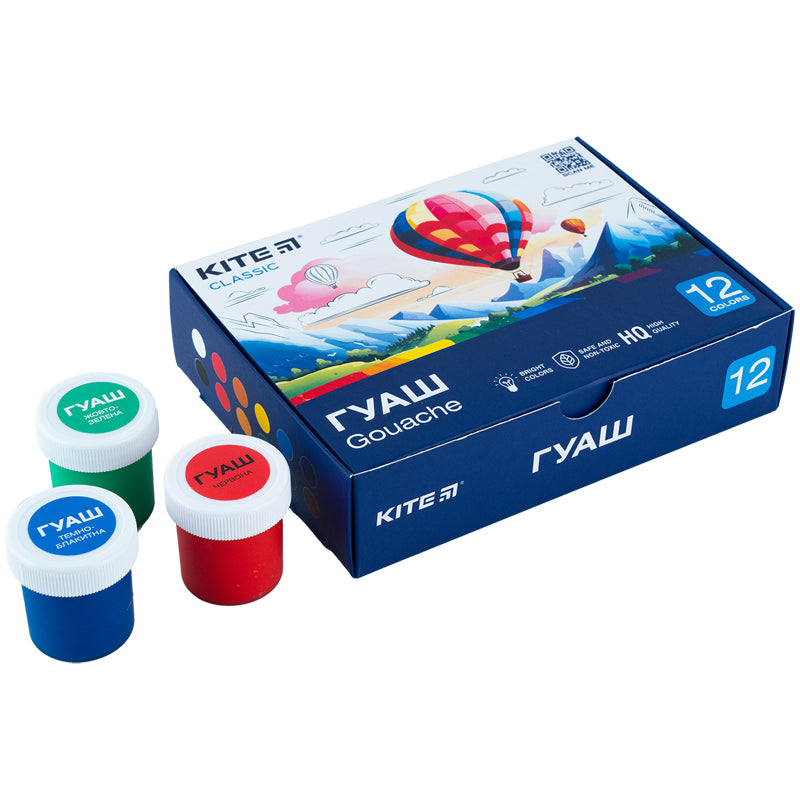
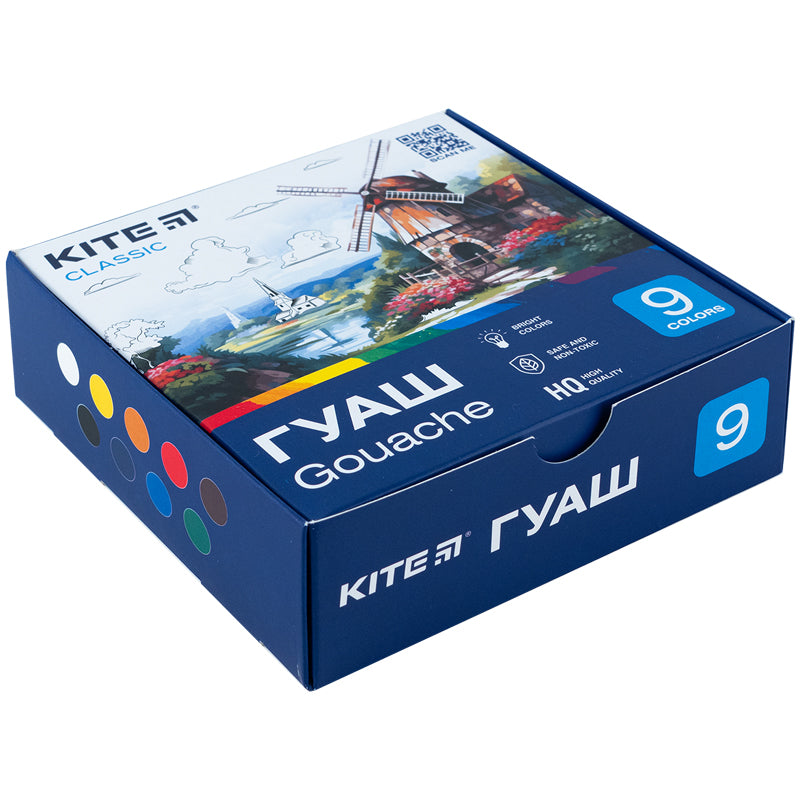
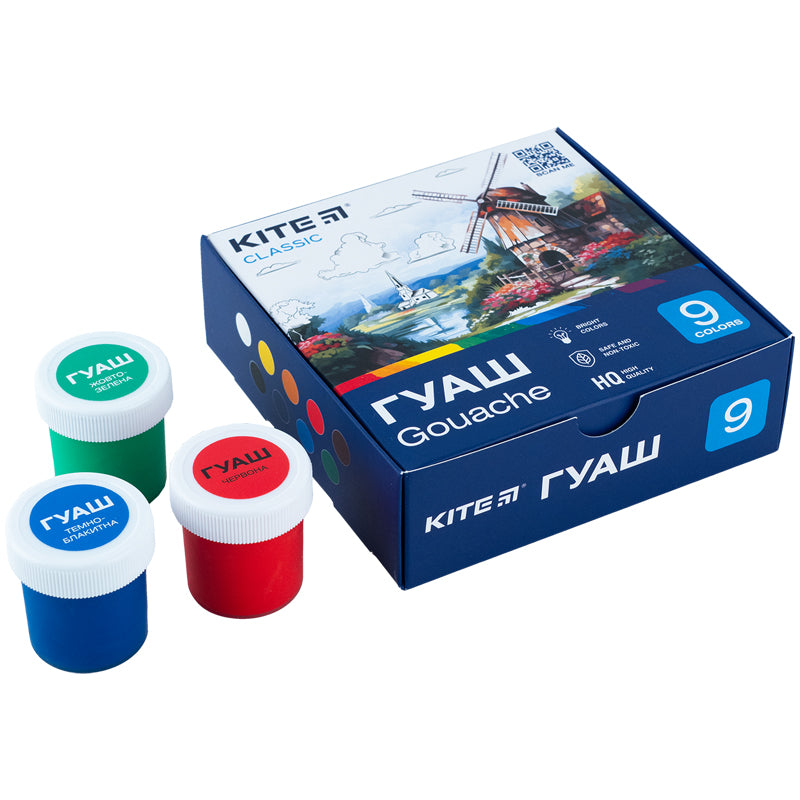
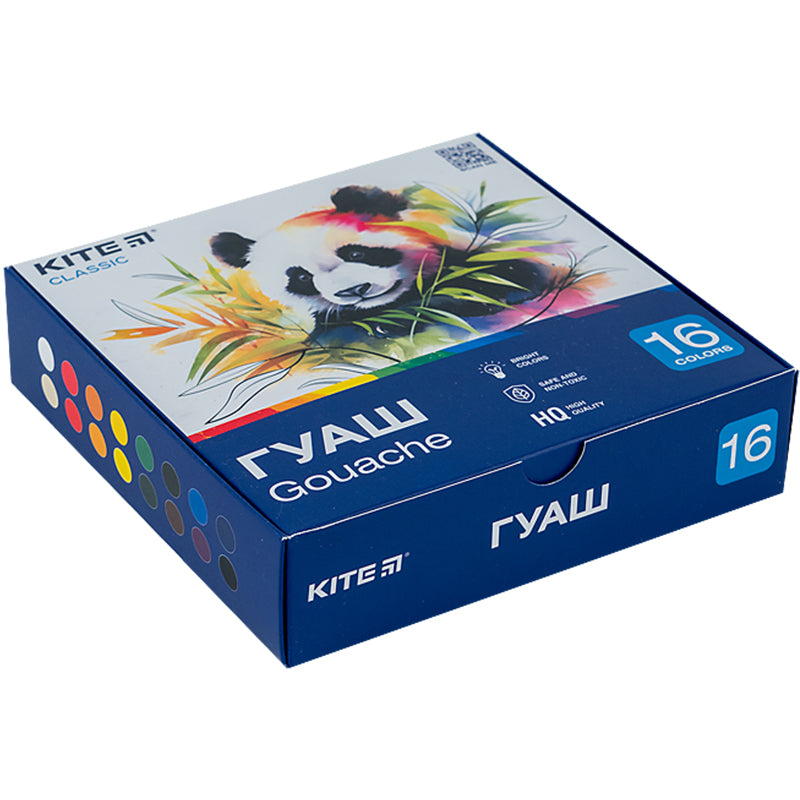
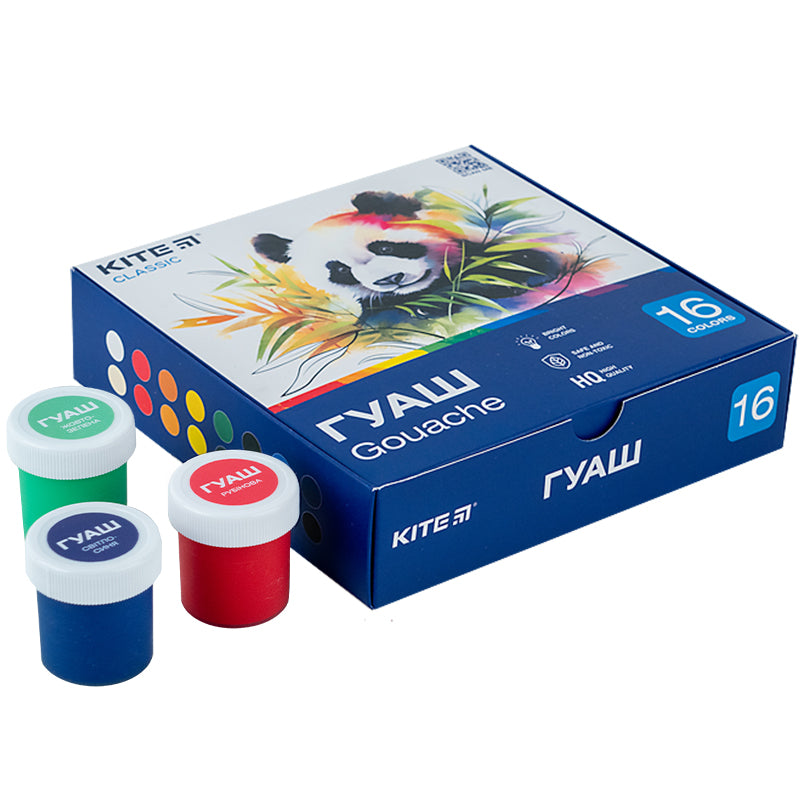
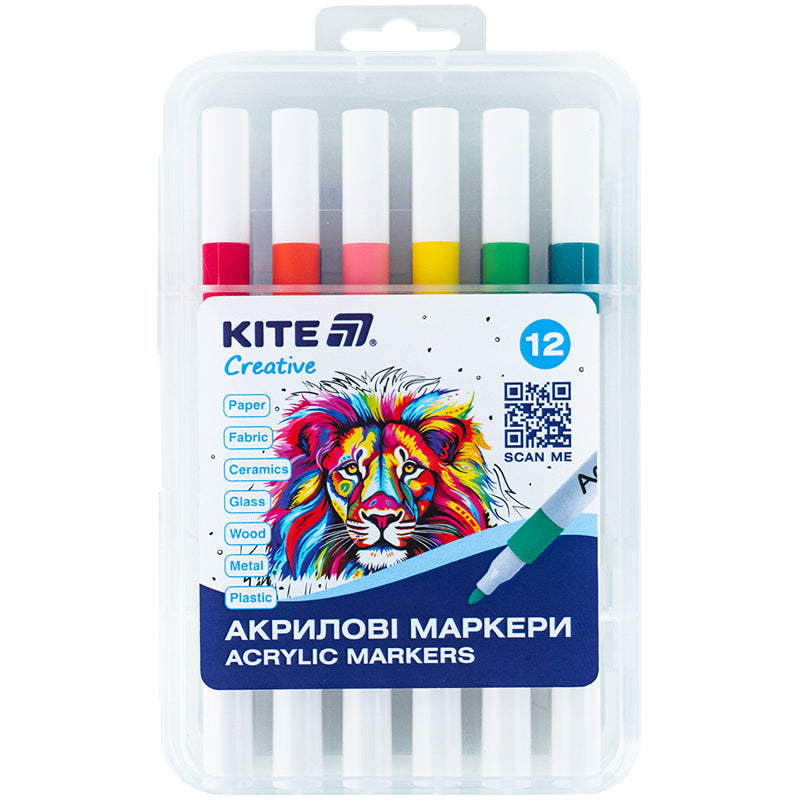
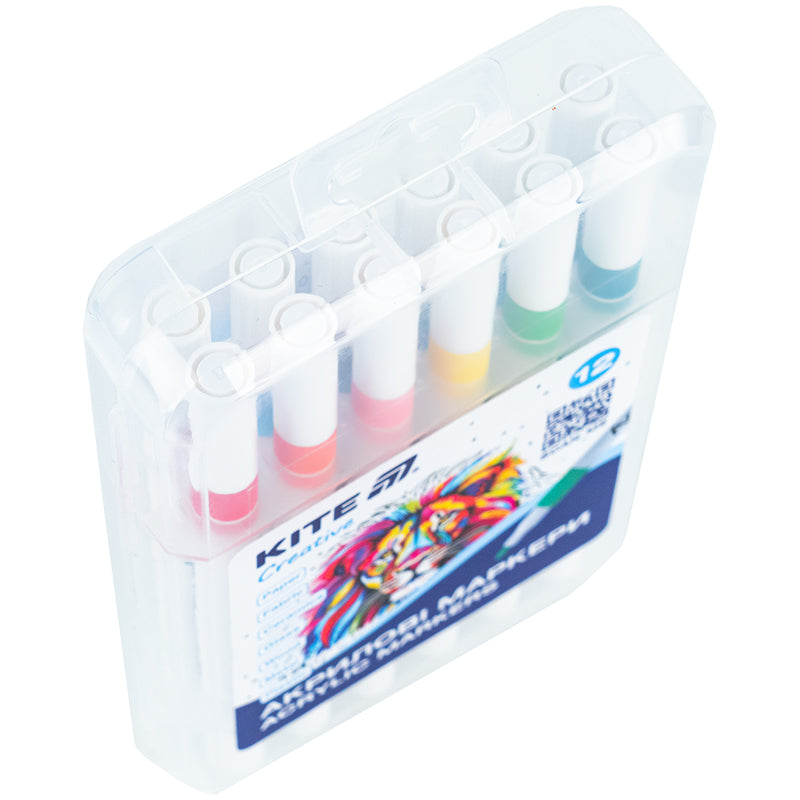
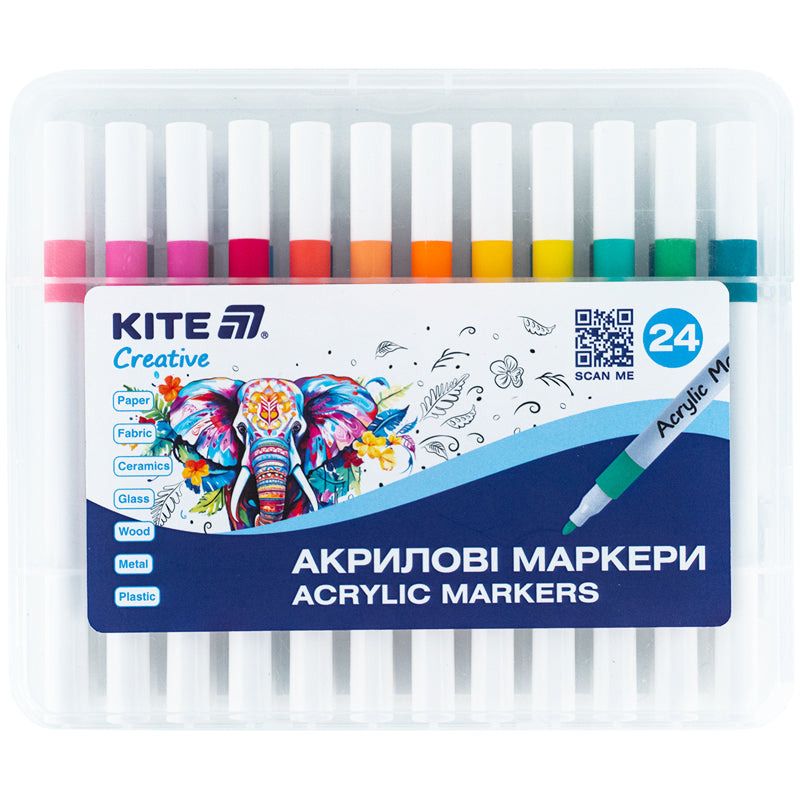
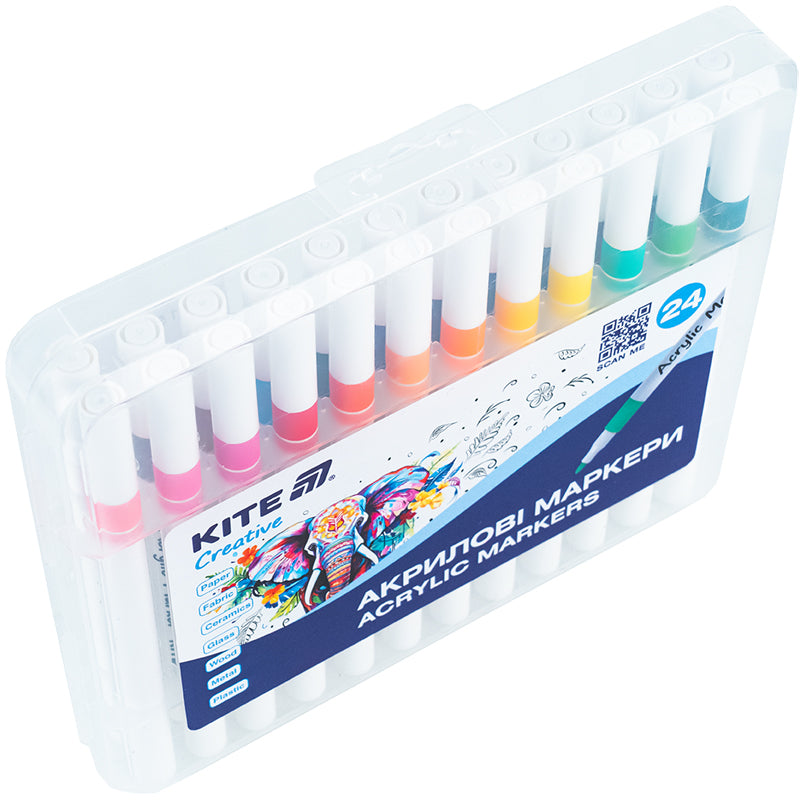
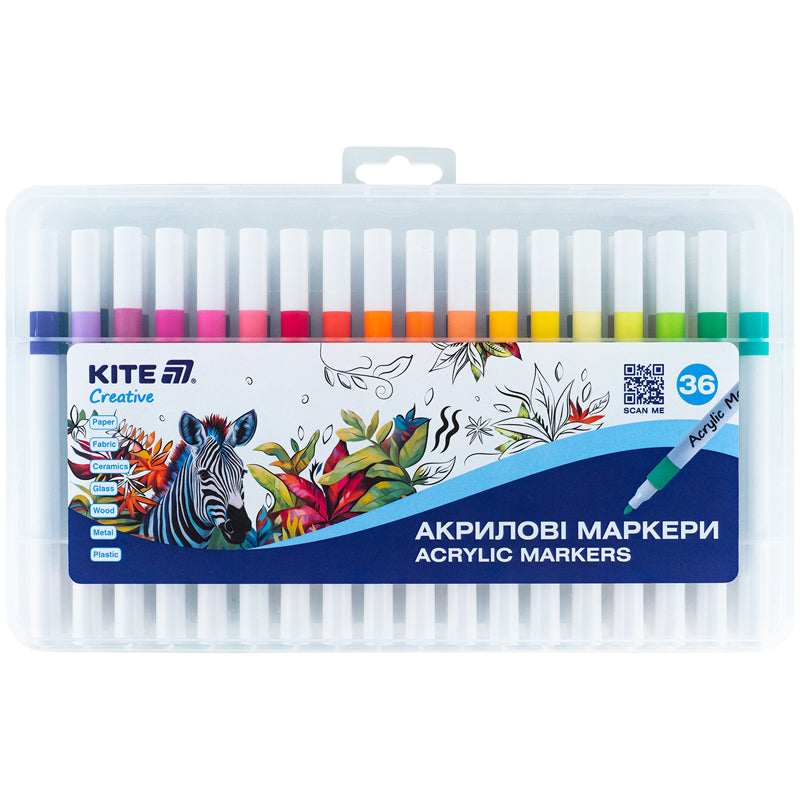
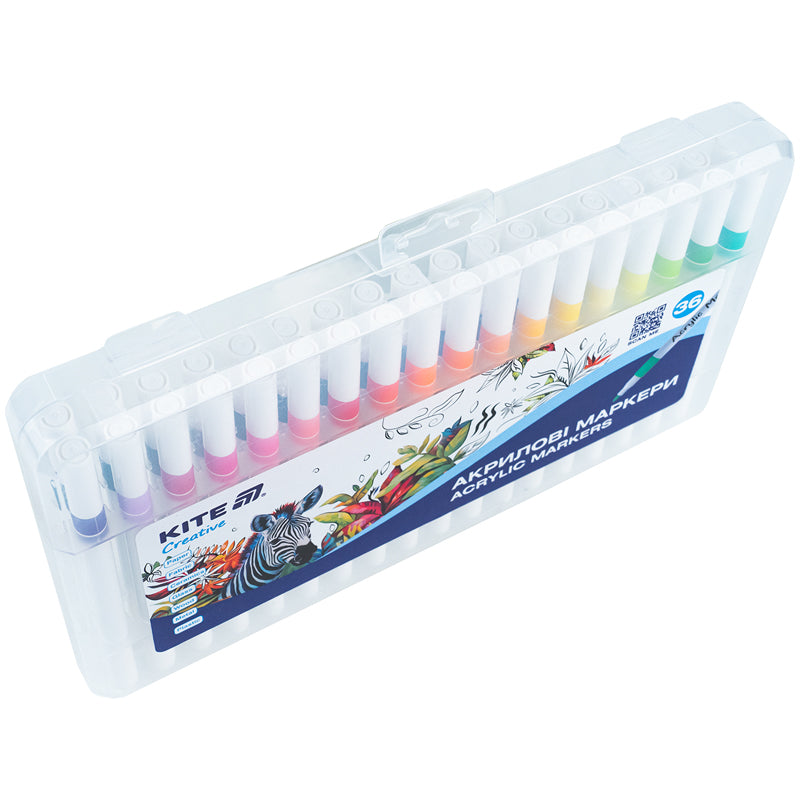
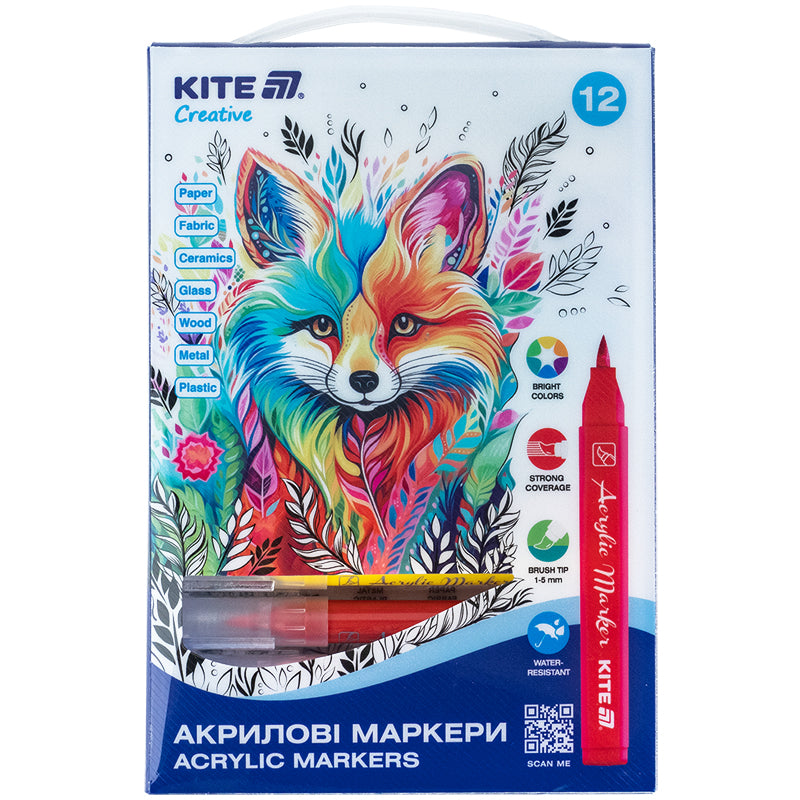
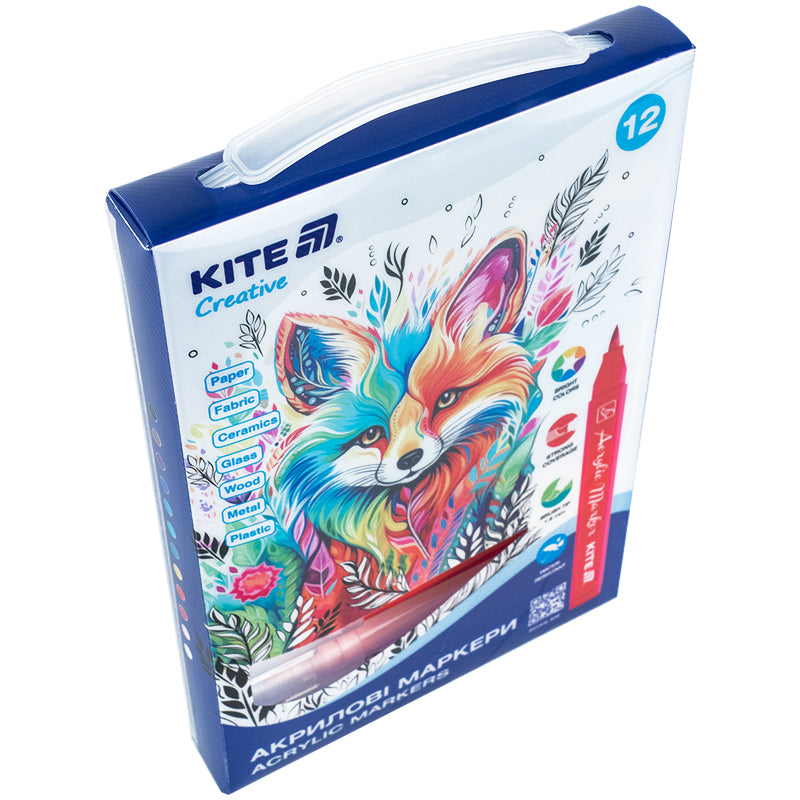
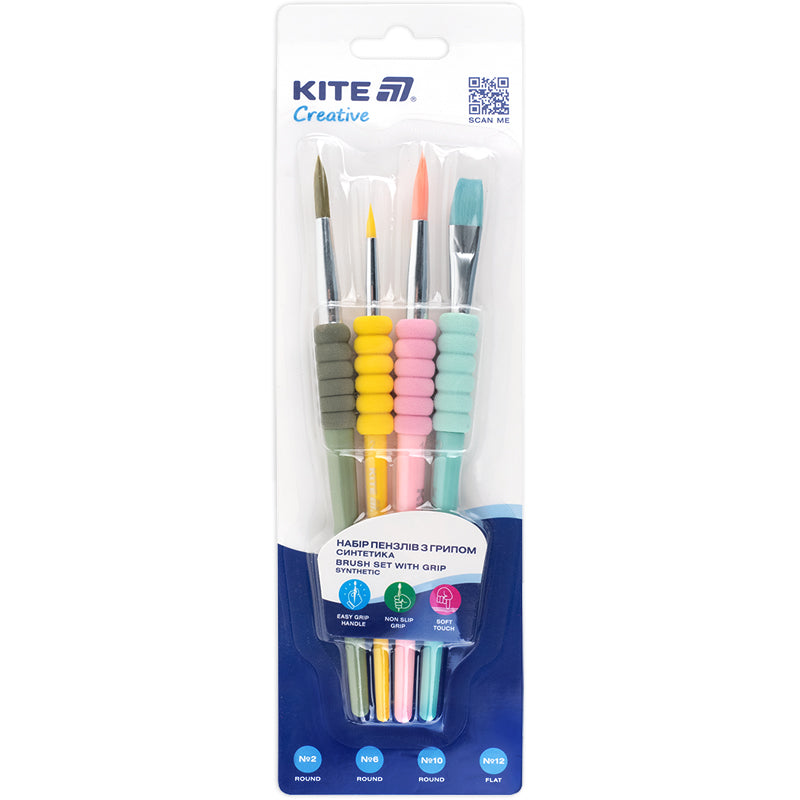
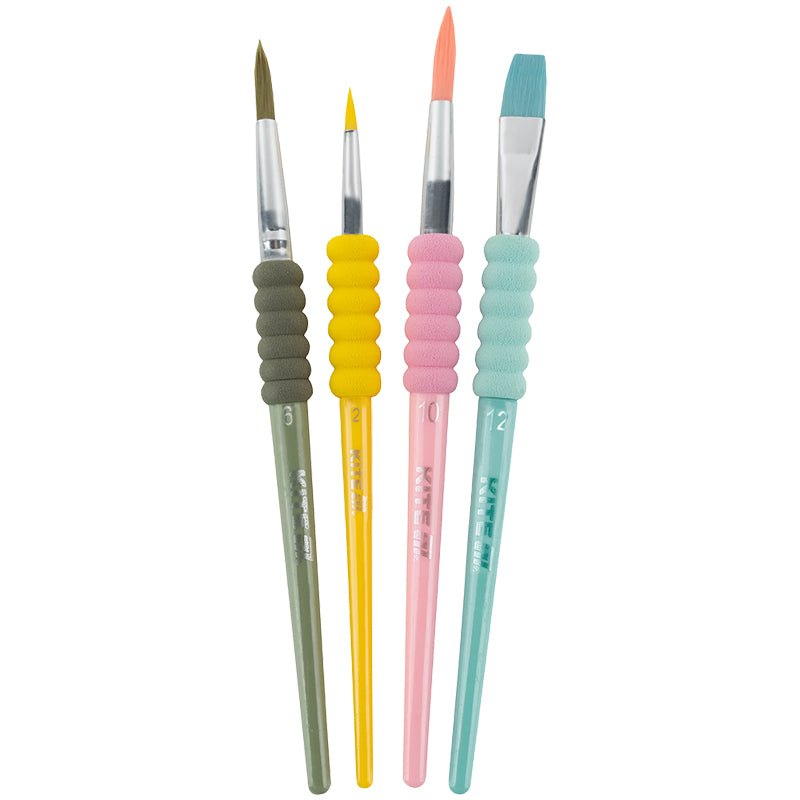
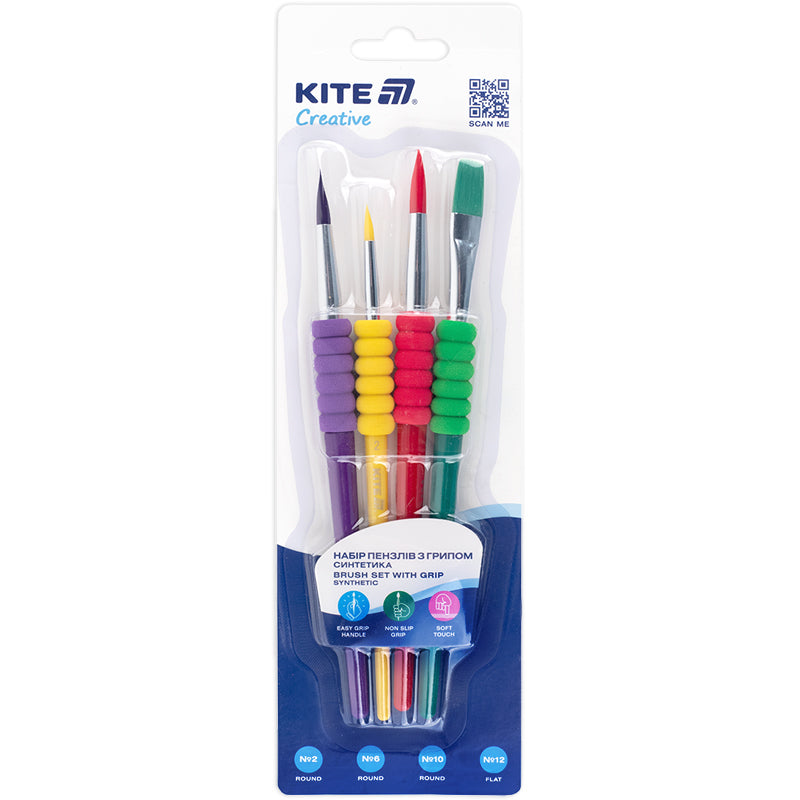
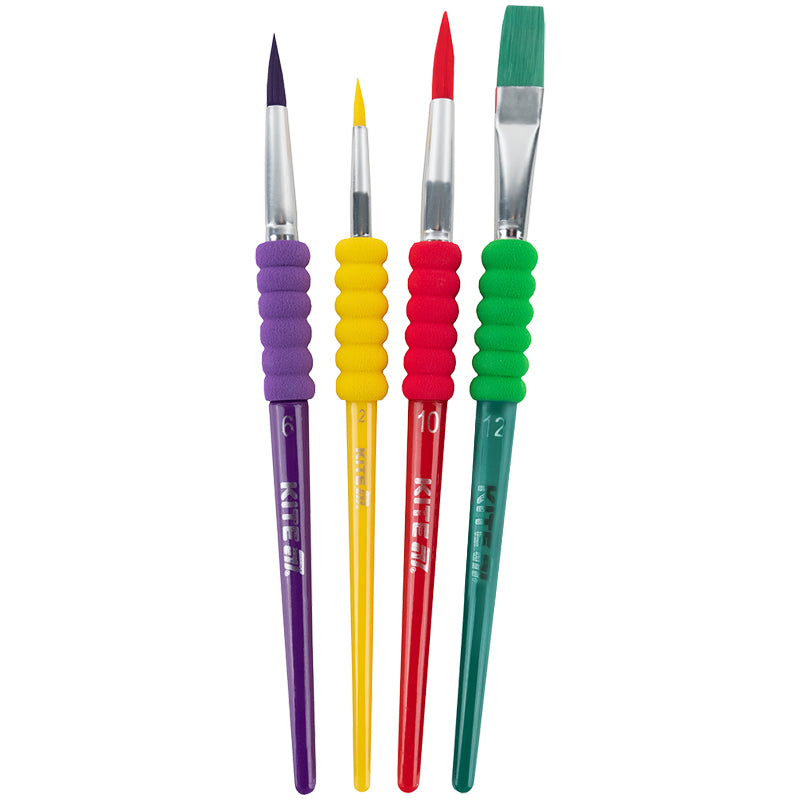
Today, extracurricular activities are not about "keeping a child busy" but about creating a window into another world for them, where everyone can discover and express their uniqueness. Art clubs, for example, are not just about drawing. They are art therapy that teaches a child to cope with emotions and find harmony through creativity. When a brush dips into Kite Creative acrylic paints or creates amazing worlds with glitter markers, it's a kind of meditation, a way to restore inner balance. And versatile Kite Classic materials allow for experimentation with different techniques, not limiting imagination – for boys and girls, regardless of age.

Sports that add strength and endurance
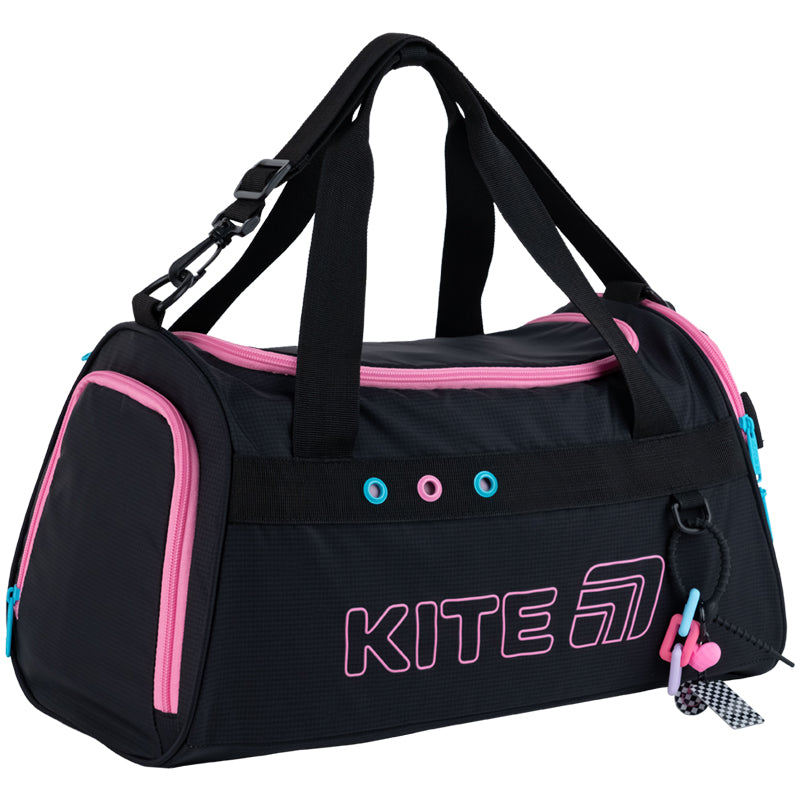
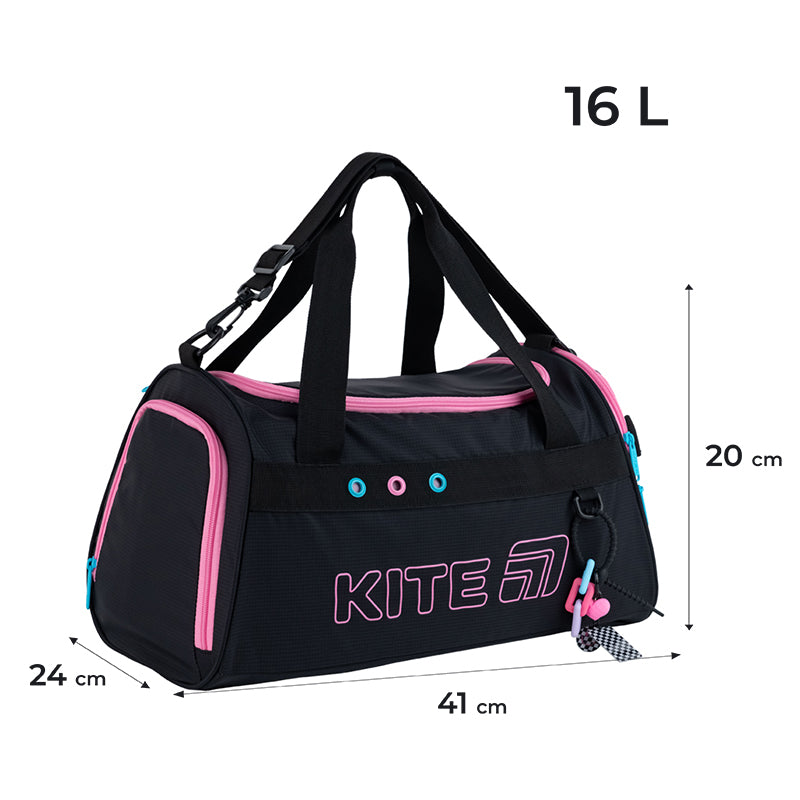
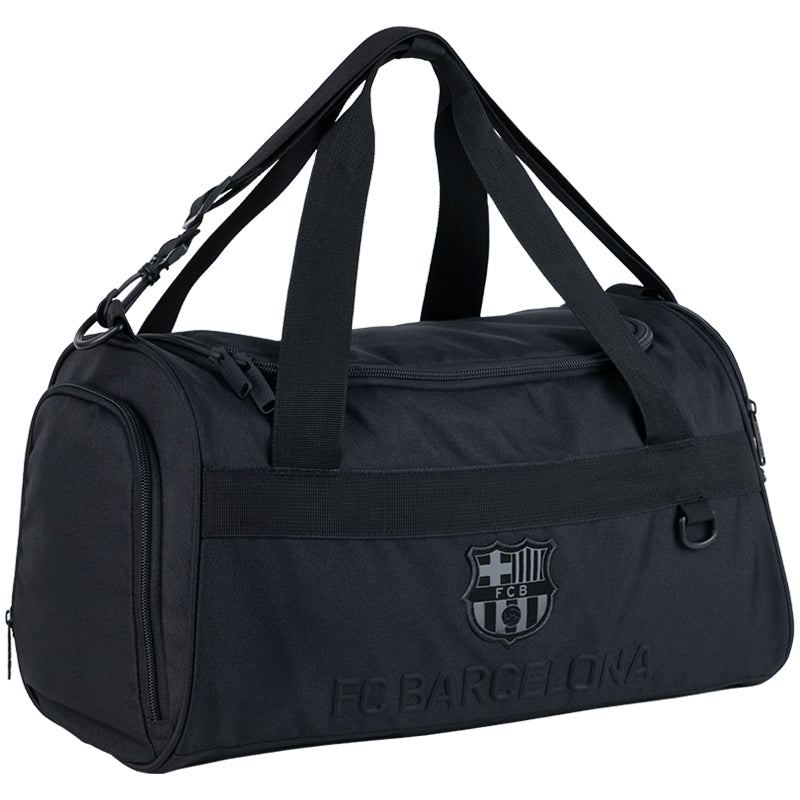
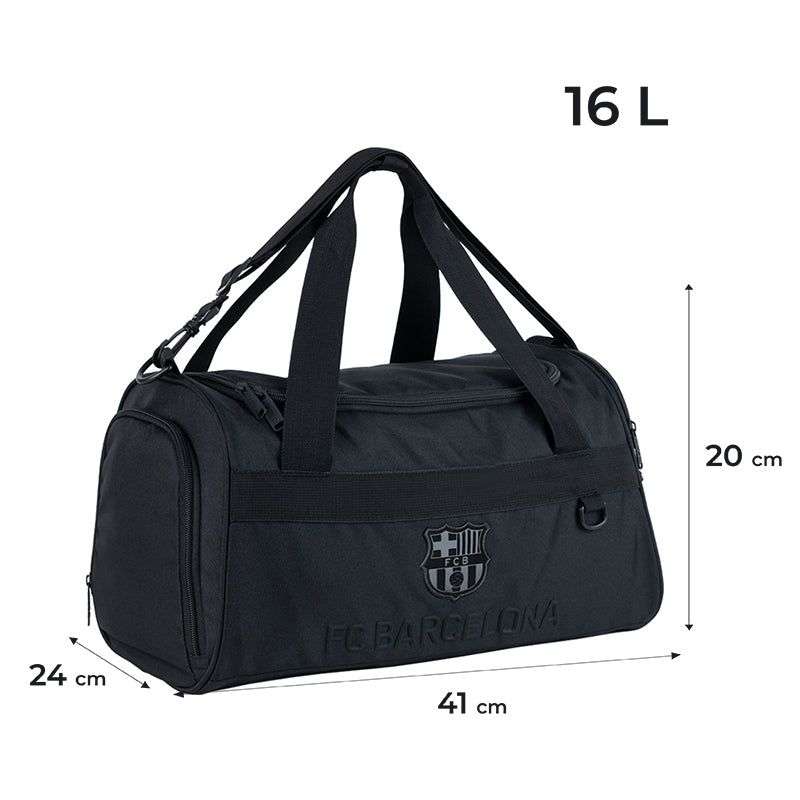
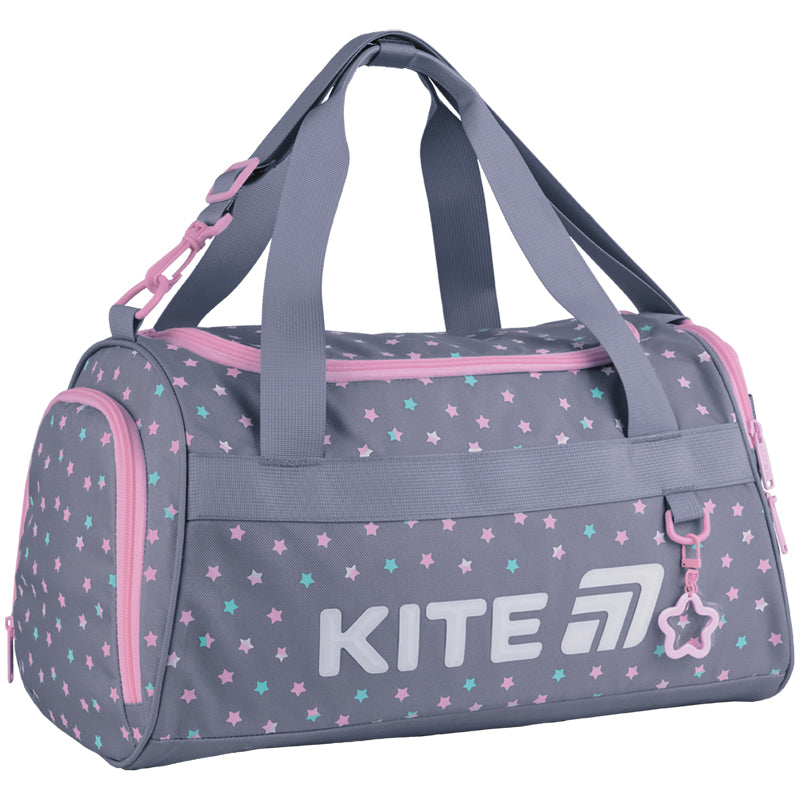
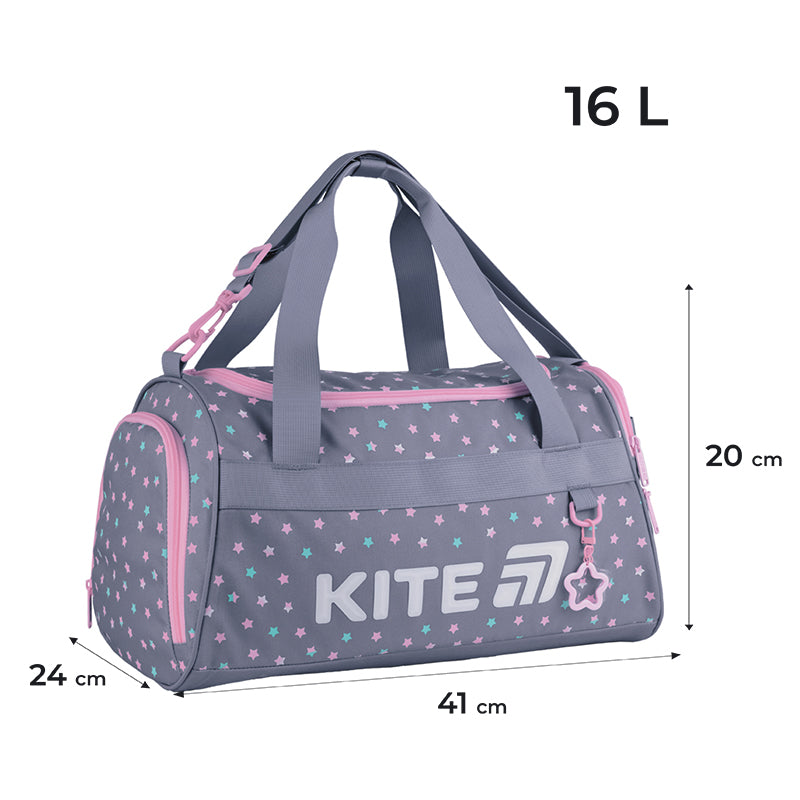
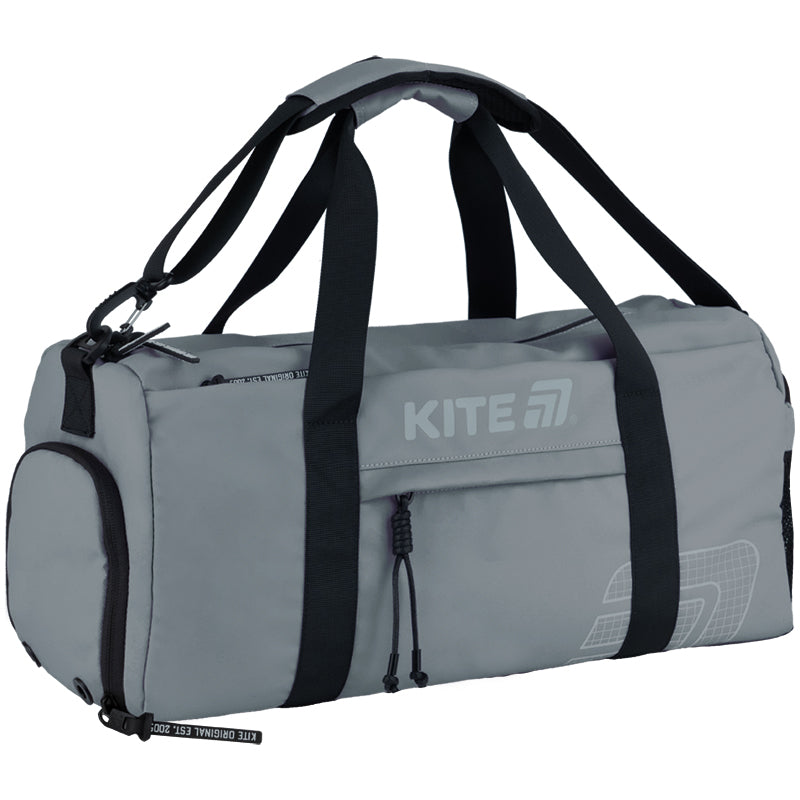
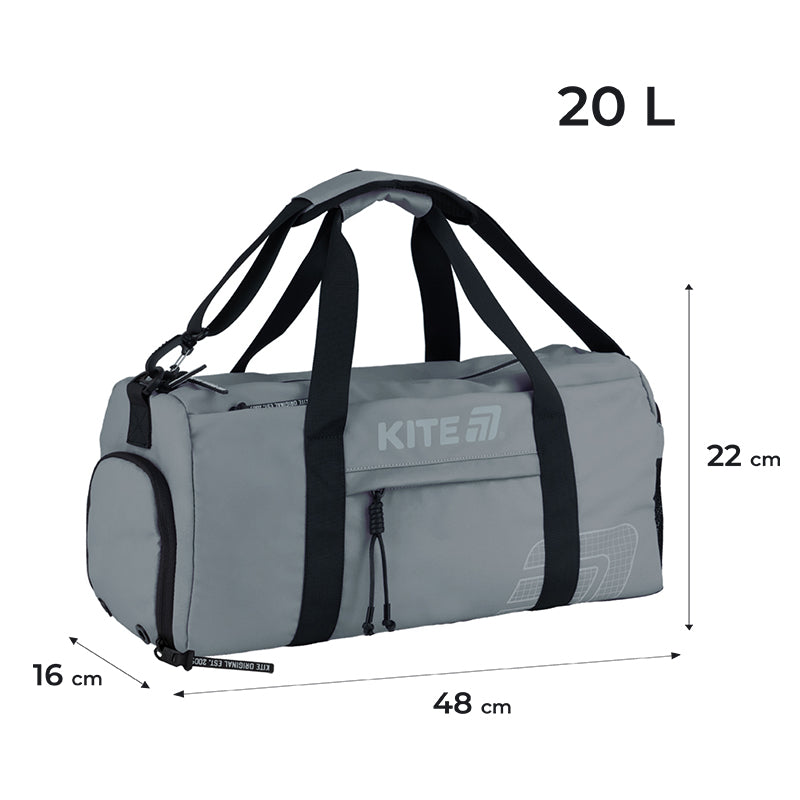
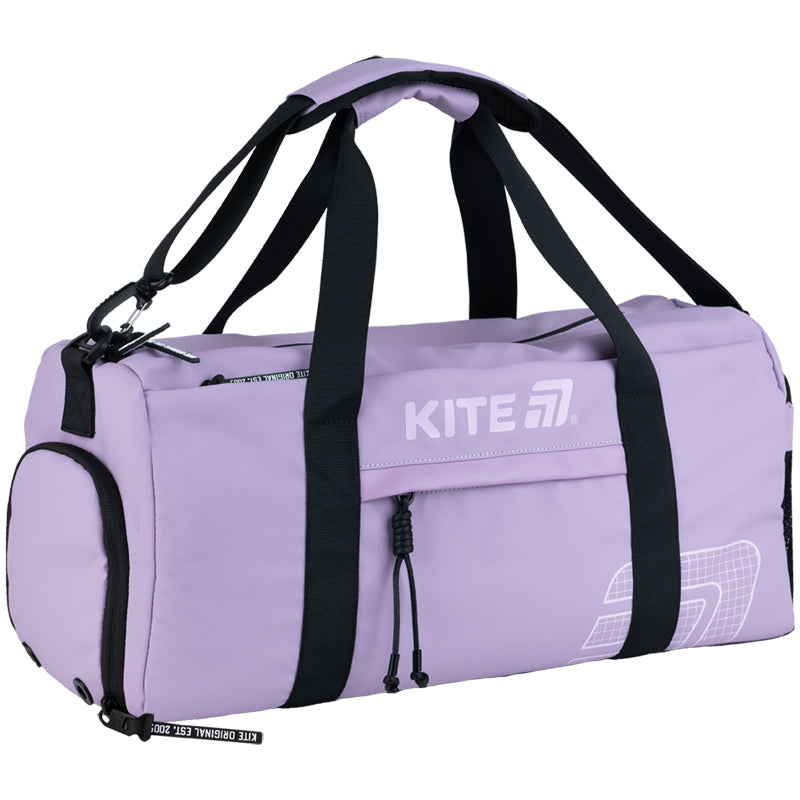
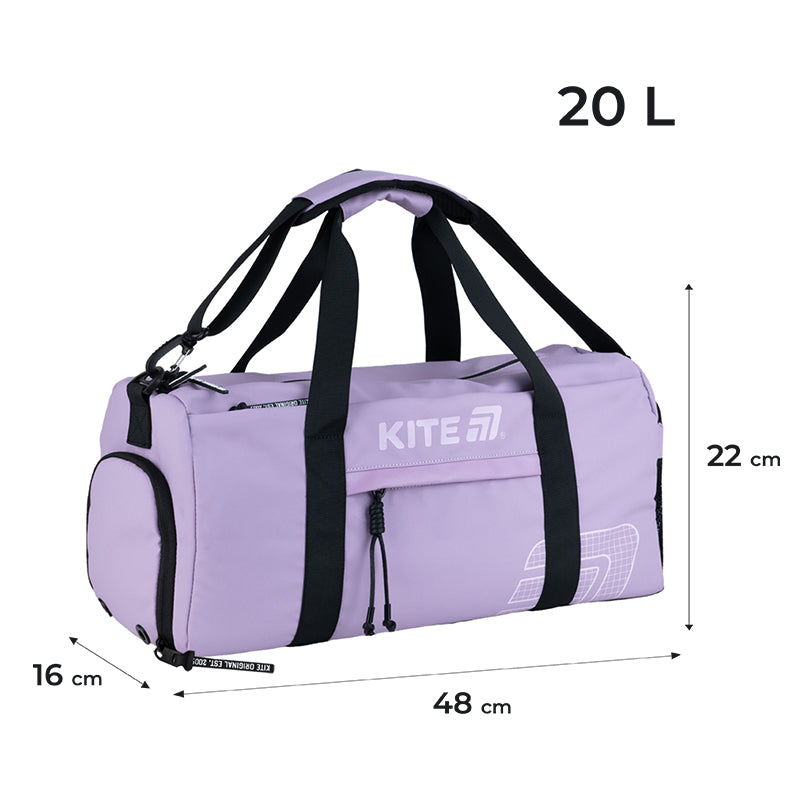
Sports sections are another important dimension of development. Movement is not just about health, but also about character formation: endurance, perseverance, team spirit. It's pleasant to observe how even the shyest children, taking a Kite shoe bag and heading to practice, gradually straighten their shoulders and begin to believe in their own abilities. And what's more – sports teach how to lose with dignity and win fairly, which will later be useful in adult life.

Variety and change of activity – useful rest
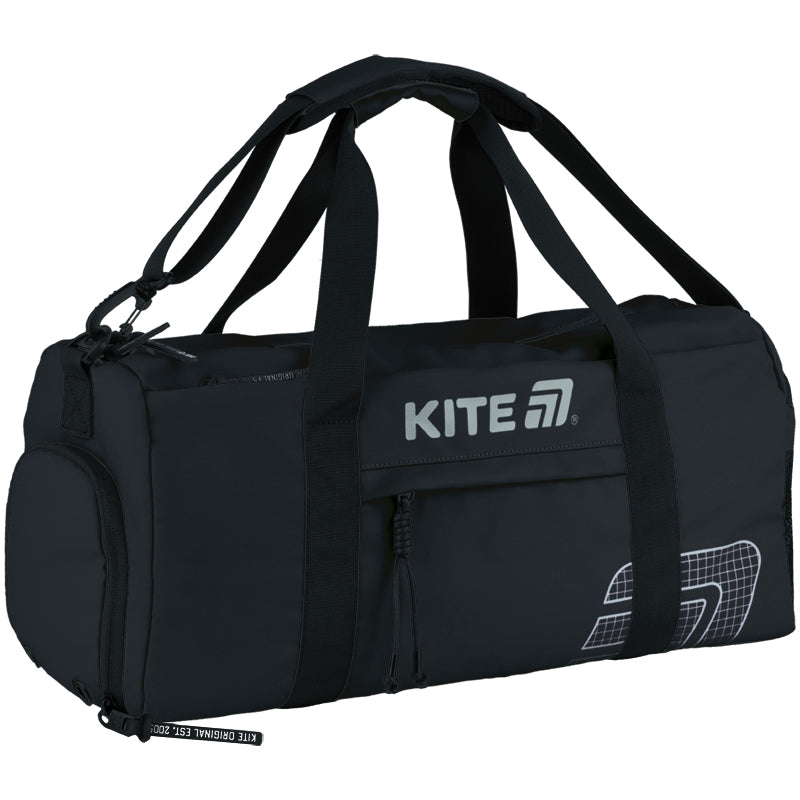
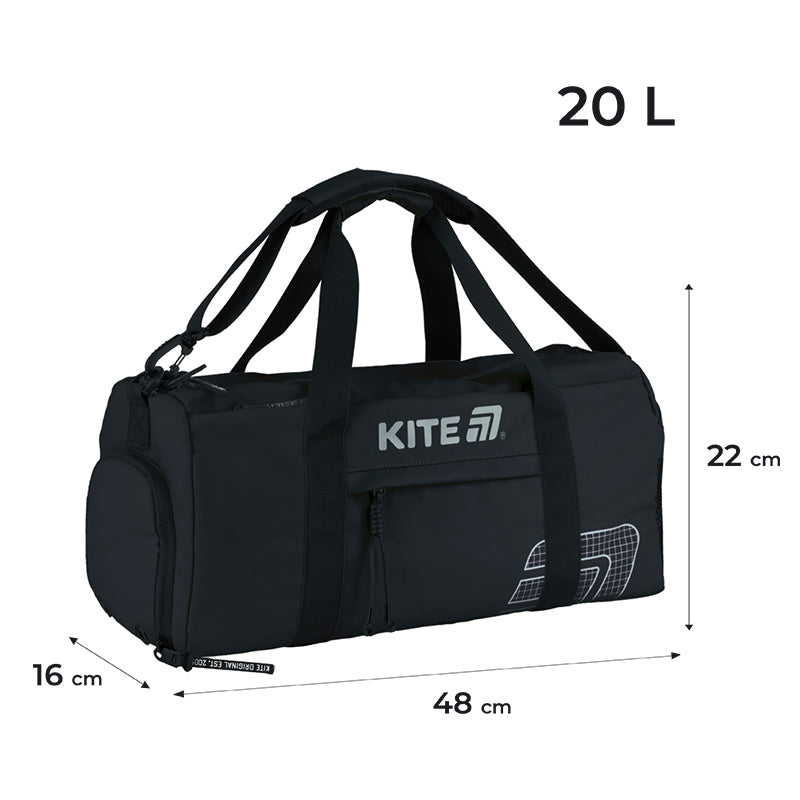
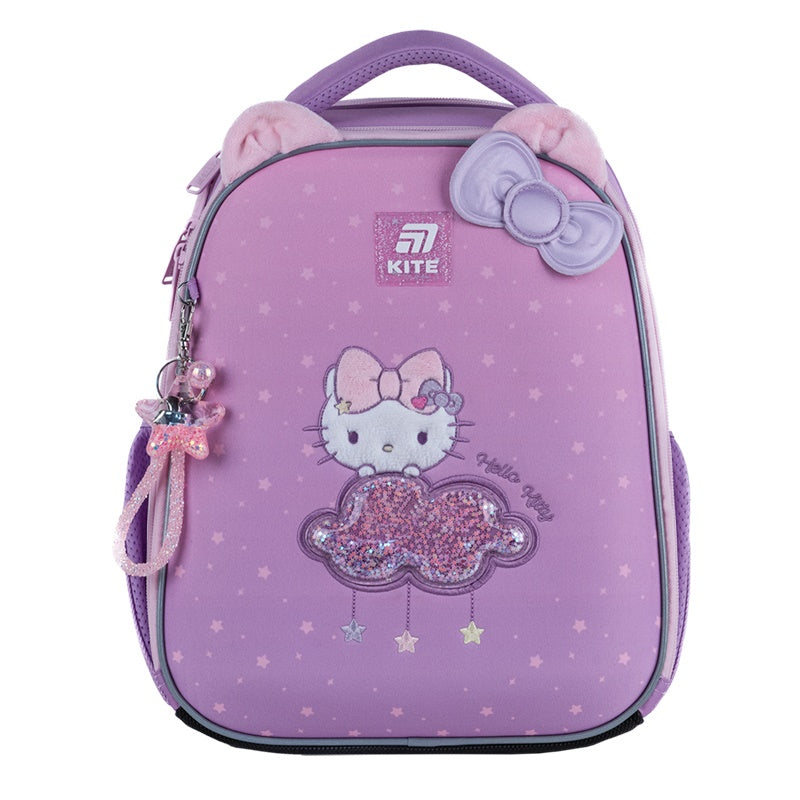
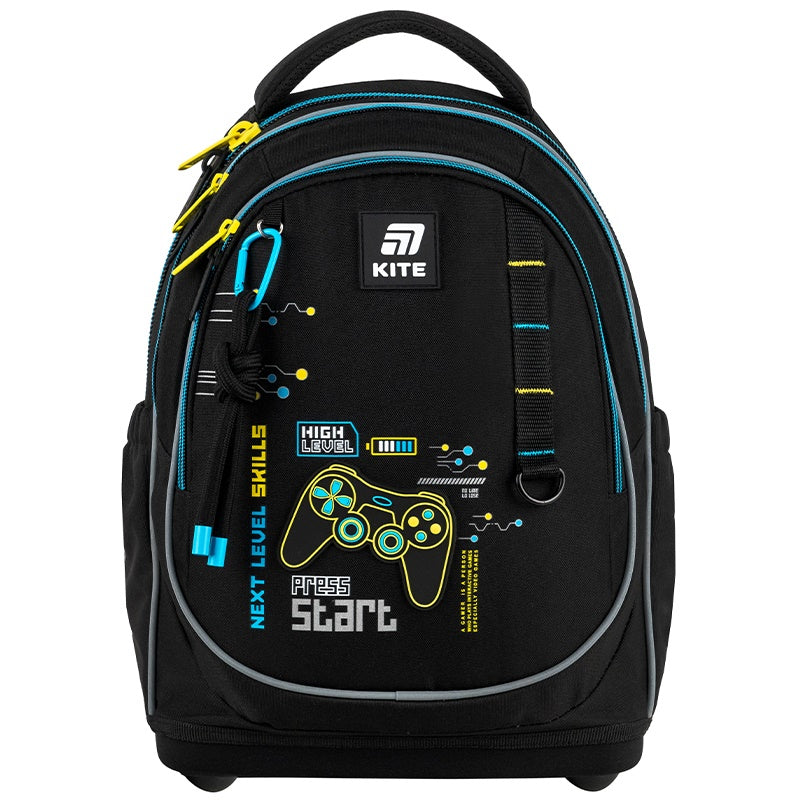
Changing activities is also extremely important. When a child switches from intensive learning to creativity or sports, their brain rests, and their body receives the necessary load. This is a natural way to prevent emotional burnout and maintain an interest in learning. For such transitions, it is convenient to have a Kite backpack on hand, in which everything necessary for various clubs can be easily organized: art supplies, sports uniform, a lunchbox for a healthy snack, or a water bottle.

A true discovery for many parents are technical creativity clubs, where children learn to think outside the box and develop logic and spatial imagination. Quality construction materials will be needed here, and for convenience – spacious pencil cases, compact waist bags for small items, or thermoses for drinks, always at hand.

How to choose a club that will truly benefit your child?
Choosing a club is not just a matter of keeping a child busy after school, but an important investment in their future. First of all, it's worth observing the child carefully: what fascinates them, what they talk about with the most enthusiasm, what books or games they choose, what roles they like in group games. Children with different temperaments, interests, and character traits need different types of activities. For example, introverts may prefer creative or research clubs, while active extroverts may prefer sports or theatrical ones.

It's important not only to work on weaknesses – for example, developing communication for shy children, or strengthening endurance for calm children. It's equally important to support and develop strengths. A child who already enjoys drawing or constructing can achieve significant heights in this field precisely due to deep immersion and unleashing their potential. This approach builds self-confidence, teaches goal setting and achievement, and also brings true satisfaction from the process.

Don't forget to involve your child in the choice – attend trial classes together, meet the teacher, and observe the club's atmosphere. Let the child feel like a participant in decision-making – this will give them responsibility and help them adapt more easily.
A Guide for Parents: What Clubs Develop What Skills
- Creative arts or applied arts (drawing, sculpting, hand-made, design) – develop imagination, creativity, emotional expression, fine motor skills. Ideal for children who love to fantasize, to create something new with their own hands.
- Sports sections (football, gymnastics, swimming, track and field) – build endurance, team spirit, self-discipline, determination, relieve stress. Suitable for energetic children, and also for those who lack physical activity.

- Self-defense, martial arts – teach self-control, confidence, endurance, respect for oneself and others. Recommended for children who want to feel protected and control their emotions.
- Theater, rhetoric club – help develop communication skills, emotional intelligence, public speaking ability, creative thinking. Excellent for open and creative children, as well as for those who want to overcome shyness.
- Robotics, technical creativity – develop logic, technical thinking, teamwork skills, attention to detail. Suitable for curious children who love to assemble, experiment, and analyze.
- IT clubs (programming, digital design, 3D modeling) – develop analytical thinking, perseverance, modern digital skills. Recommended for children interested in computers and technology.

- Historical reconstructions, local history clubs – develop cognitive interest, critical thinking, a deeper understanding of culture and history. Excellent for children with good imagination, prone to reading and research.
- Music clubs (vocals, instruments, ensembles) – improve attention, hearing, coordination, teach patience and emotional expression. Ideal for children who feel music and want to learn to express themselves through it.
Extracurricular activities develop the ability to overcome difficulties, communicate, and empathize. The child learns to be part of a team, make friends, listen to others, and be heard. Every new hobby is another step towards self-confidence. And for you, parents, this is a great opportunity to support your child by choosing clubs and materials together that will help unleash their potential. Pay close attention to what fascinates your child, because sometimes a small art kit or a comfortable backpack can be the first step towards a great hobby, and eventually – even a profession.

Keep in mind that a child's preferences may change – this is natural, and with each new experience, they get to know themselves better. Your support, attention to their feelings and small victories are the best help on this path.
Remember: every club is not just learning, it is a place of strength for the child. Where they can be themselves, learn new things, rejoice and grow. And, perhaps, today you will give your child that start that will change their entire life.