
At the end of autumn, window displays synchronously transform into a total black look, and a slideshow of black banners flashes in every browser. Like in scary children's stories about a "black, black city." We are already accustomed to the symphony of advertising calls to urgently stock up, about unprecedented discounts and unparalleled savings. Stop, when did all this appear? Where did this Black Friday come from? Well, it all started like this.
The First Black Friday in History — September 24, 1869
In the distant year 1869, the first "birthday" of Black Friday took place. But without cake, musical cards, or gifts. In general, this day could hardly be called festive. On September 24, gold prices in the USA plummeted, causing a prolonged economic crisis with a devastating market collapse. That's when the phrase familiar to us appeared, but without the usual shopping context.
It All Began in Philadelphia
These words would acquire their traditional meaning only a hundred years later. Endless queues and traffic jams: the Friday sale after Thanksgiving drove the residents of Philadelphia crazy. In the 1950s, entire families went hunting for cheap New Year's gifts.
Such a throng caused a lot of trouble for patrol police officers: they dubbed the day "black." It was at this time that the forgotten term "Black Friday" acquired a new meaning and became associated with a day of discounts. Marketers unsuccessfully tried to erase the black color from Friday and rename it to "big," but the name firmly stuck in the popular consciousness.
Black Friday Today
The local Philadelphia tradition unexpectedly spread across the USA, and later — across the entire globe. A few years ago, it permeated our reality and became the main marketing news event of autumn. According to legend, sales with unprecedented discounts take place on this day.
To save or to go bankrupt: where to put the comma?
Customers are literally intoxicated by crossed-out prices and enticing advertising posters with huge percentage savings. Is it all true? Or just another trap set by marketers?
How to Save on Black Friday: Practical Tips
- Monitor prices. Think in advance what you want to buy on sale day and check how much the item costs before the promotion. This will protect you from impulsive purchases with fake discounts.
- Make a shopping list. Let it be 5 or 10 items, but truly necessary ones. This will help you avoid buying a kilogram of goose feathers at a super discount or a "very profitable" 10-kilometer roll of clothesline.
- Focus on well-known brands. No store will operate at a loss. Only large companies, which profit from turnover, can afford real big discounts.
TOP-5 useful purchases

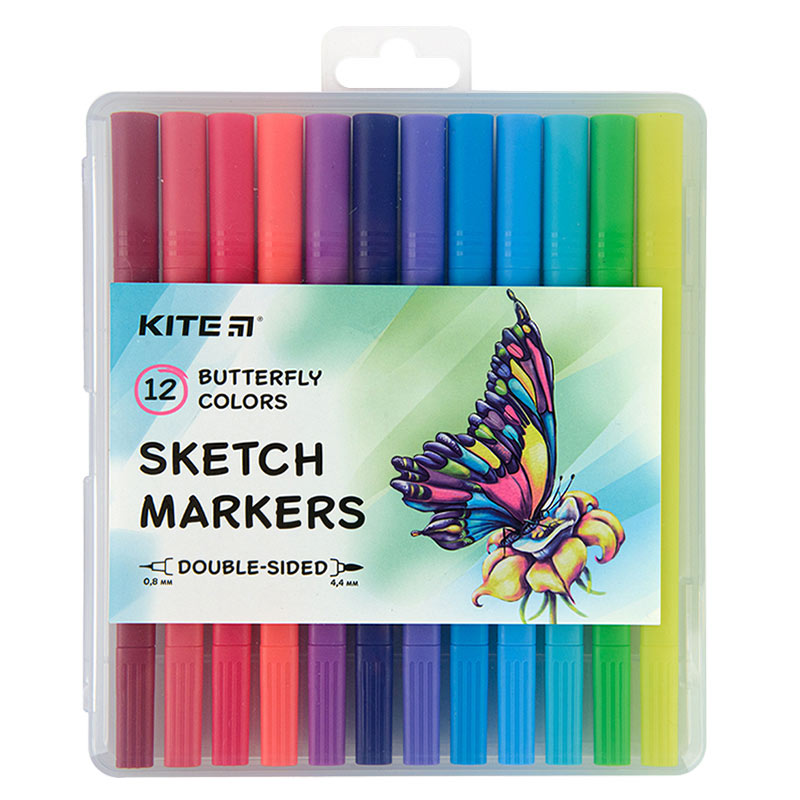
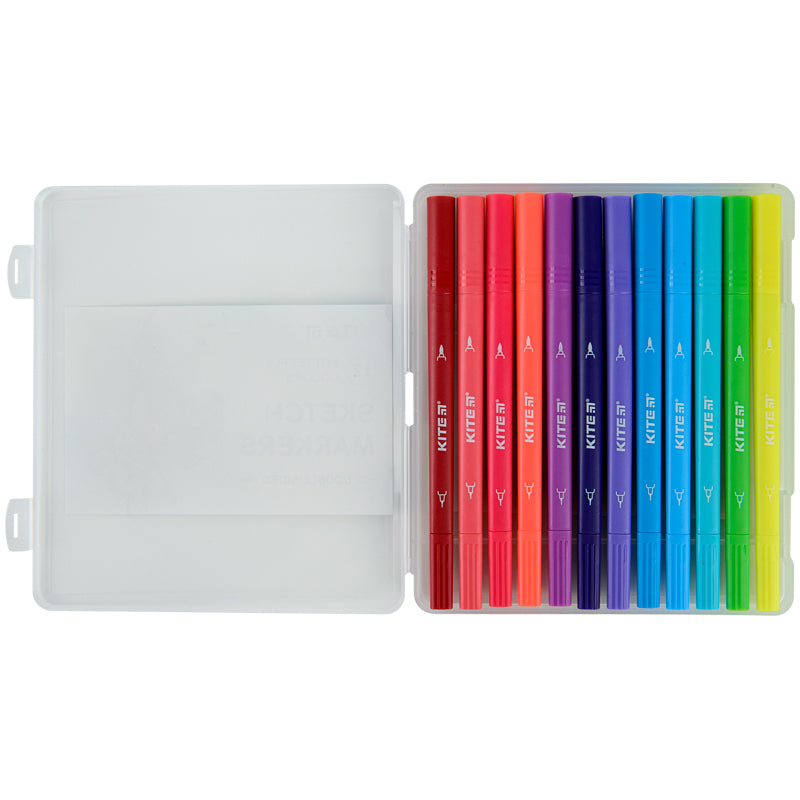
- Kite art supplies. Plasticine and modeling clay, pencils and crayons, paints and colored paper: all of this in children's hands instantly transforms into a picture gallery or a museum of artistic creations. Supplies for creativity constantly need updating. Make sure children have something to do during holidays and weekends.
- Kite thermoses. The main winter must-have. Just imagine: with them, you can have a tea break at any time and warm up with a sip of an aromatic drink. They do not leak, do not absorb odors, and fit perfectly in a backpack. The assortment includes models for children and adults.
- Kite apron. It helps to create without fear of getting dirty. Cheerful design with cartoon characters, armbands included: every child should have an apron for crafts.
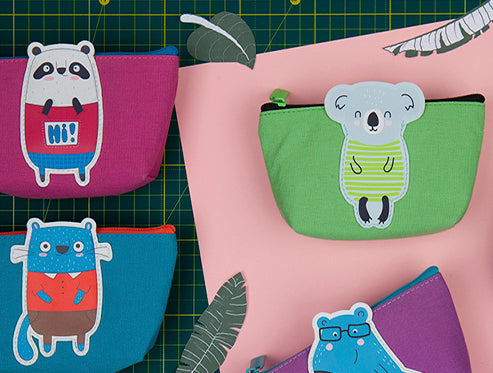
- Kite cosmetic bag — a stylish, lightweight, and compact "box" for women's secrets. Large and small, textile and silicone, for travel or everyday use: it's good to always have a set of quality cosmetic bags at hand.
- Kite children's wallet will help keep money in order. No more jingling in pockets and coins falling out when changing clothes. With bright Kite wallets, every penny will be in its place.
Don't forget to buy something useful for your child during the Black Friday sales.