

Sometimes, just one look at a child's desk is enough to understand why homework takes so long. The pencil is somewhere under a book, the ruler is stuck between pages, and the compass disappeared two weeks ago. The student hasn't even opened their planner yet, but is already tired, even though nothing difficult has begun.
However, when the workspace is well-organized, the child sits down to do homework and can immediately tune into productive work. They get into a rhythm faster, are less distracted, and actually complete tasks.
An organized space makes learning more effective. And this isn't even about an ideal interior and an aesthetic picture (though that is also very important). It's about not having minor trifles occupy one's mind.
A student's workspace is an atmosphere where it's easy for a child to engage in learning and concentrate on the topic at hand.

An equipped corner becomes a soft support for learning
A workspace is a logical space. Parents are often surprised: why does their child never put anything in its place? It's simple. Because these "places" either don't exist, are inconvenient, or the child simply doesn't understand why it's important to constantly organize stationery.
The role of organizational accessories is important here: they create a logical and convenient structure.
Baskets, organizers, and stands
Kite baskets help quickly tidy up the room. Played with toys — threw toys and other bulky items into the basket — and the space immediately becomes neat and cozy. This saves time and effort, and the child gradually gets used to maintaining order independently.
For stationery and small items, there are Kite desktop organizers: paper trays, mini-drawers, pen and pencil holders. They keep everything necessary for studying close at hand, so you don't get distracted by searching. Stands for small items and writing instruments are especially important: when the child is ready to do homework, the pen is always in its place, eliminating moments of confusion and distraction.
Together, baskets and organizers help structure the space: large items go into baskets, small and study-related items into organizers. This keeps the room tidy effortlessly, saves time, and helps the child quickly get to work.
Life hack: Everything used daily should be within arm's reach. Everything else should be put away but accessible. This way, the brain gets less tired from an overload of signals.

Folders, desk pads, and stands — stationery always ready to go
Kite art folders help children quickly prepare for design and technology classes and keep everything under control. The necessary tools for work are already gathered inside: pencils, glue, scissors, and more. When the child is getting ready, nothing gets lost or mixed up with other supplies.
Life hack: It's convenient to have two sets of tools – one for daily use on the desk, and the other in the art folder. This way, you don't have to constantly put things away and take them out, and the child can immediately start creative tasks.
A desk pad protects the surface from paints, markers, glue, or play-doh. It allows for active work without fear of staining the desk, keeping the workspace tidy even during creative experiments.
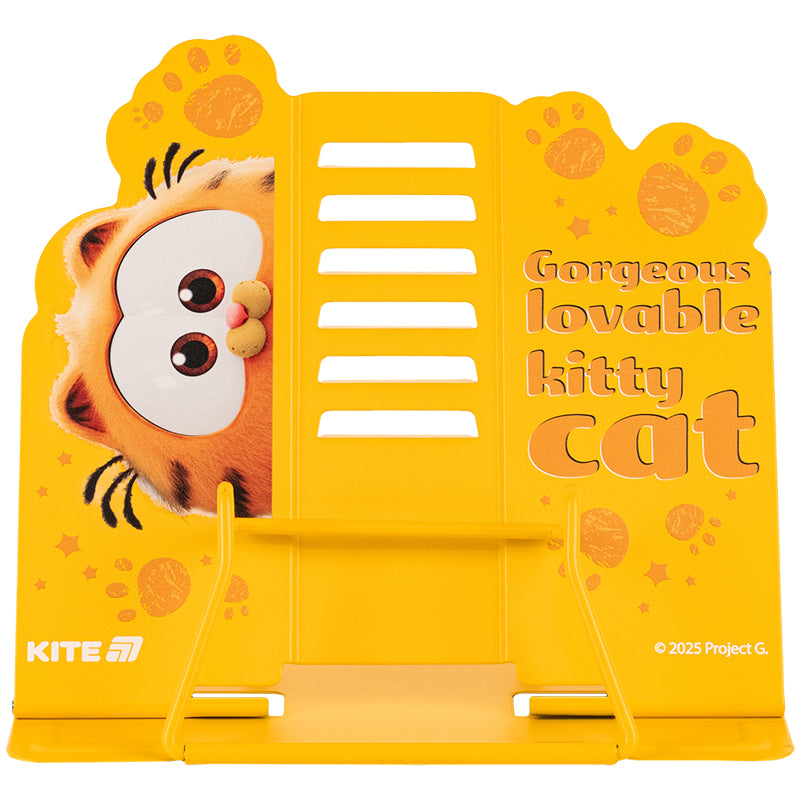
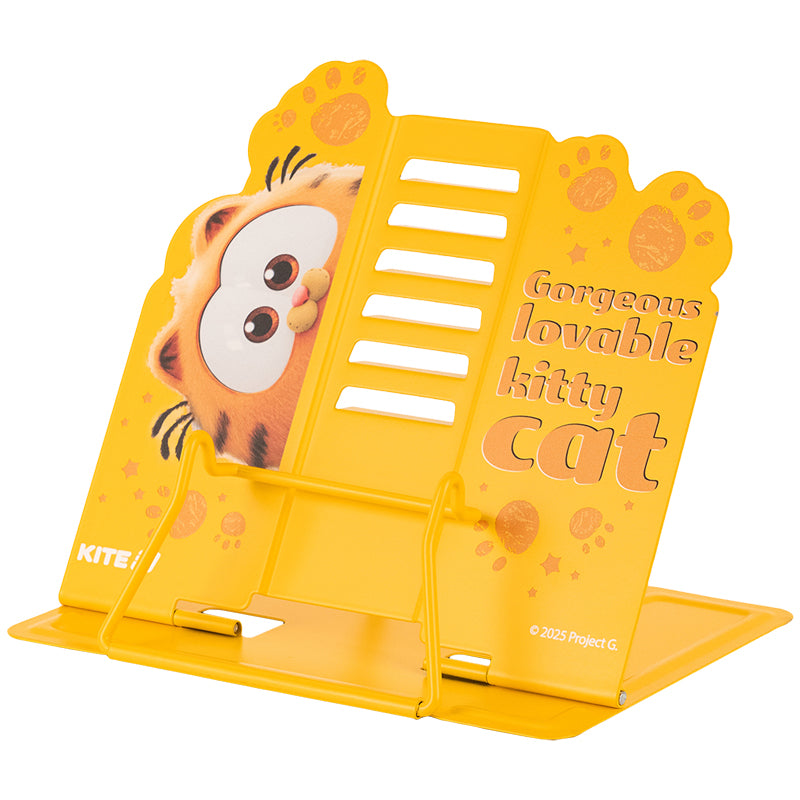
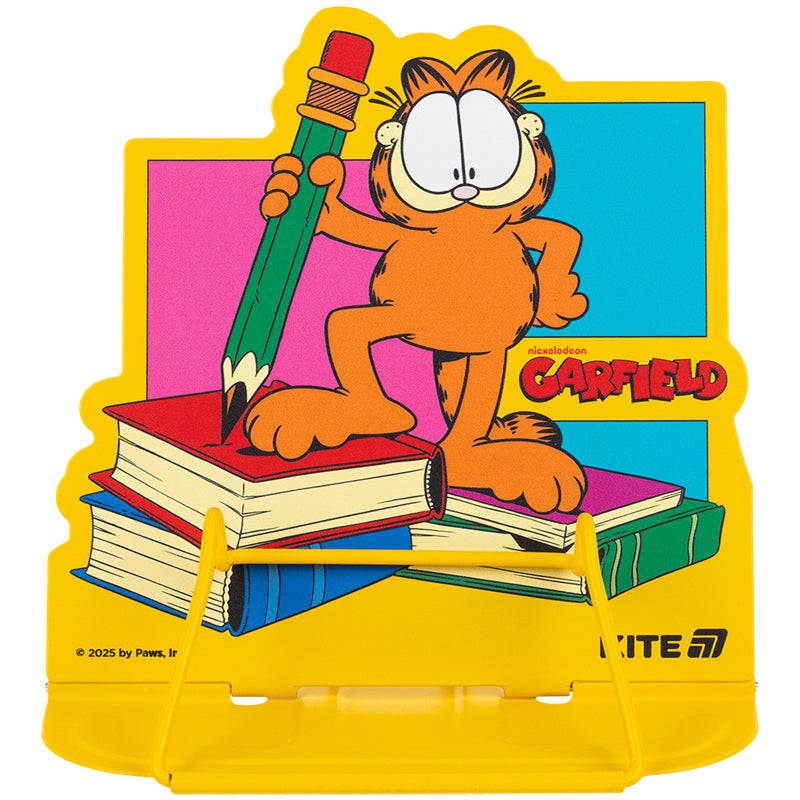
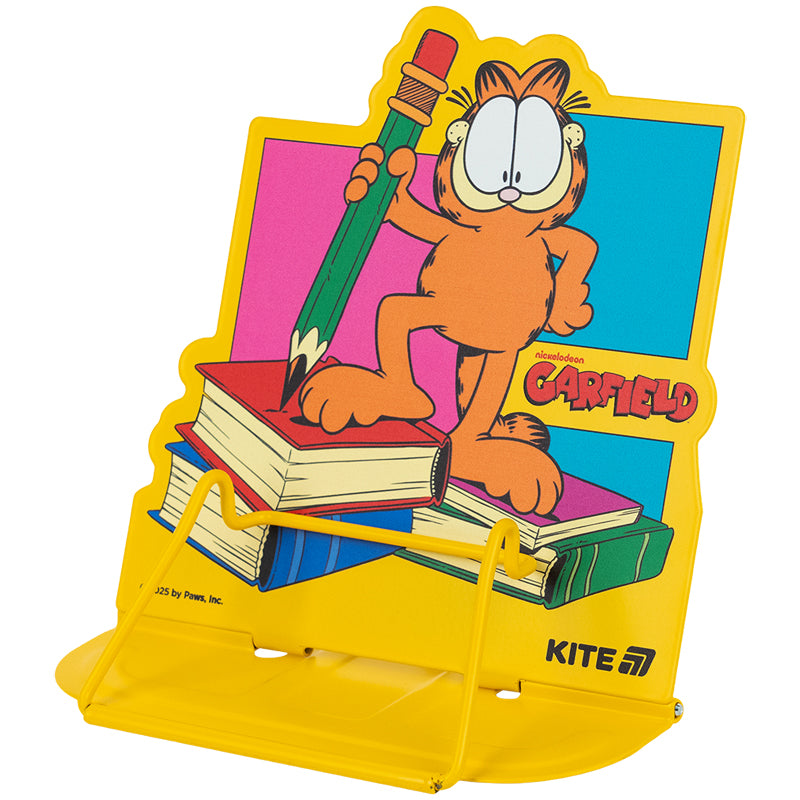
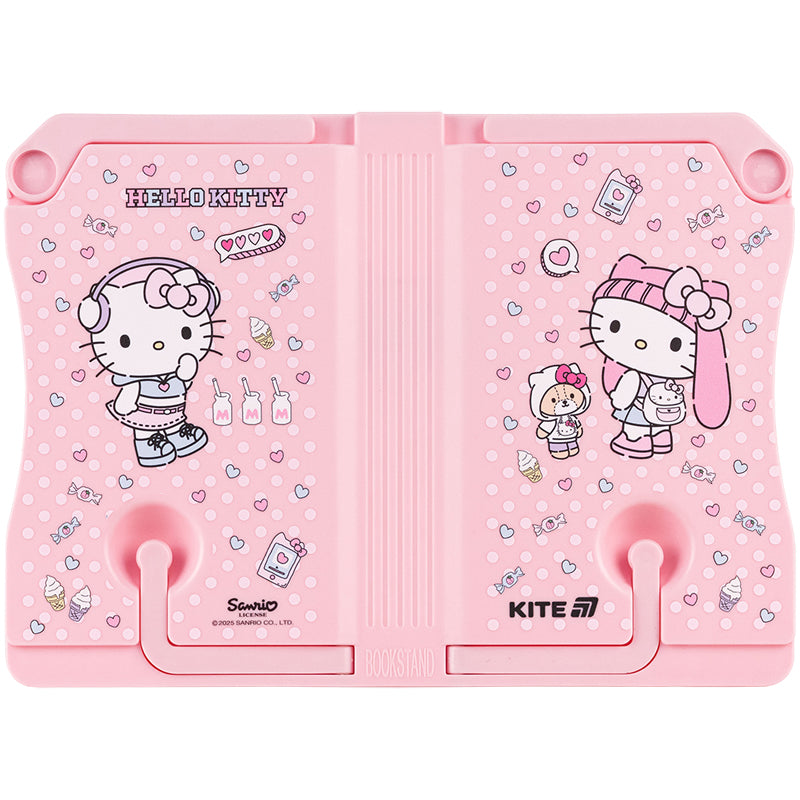
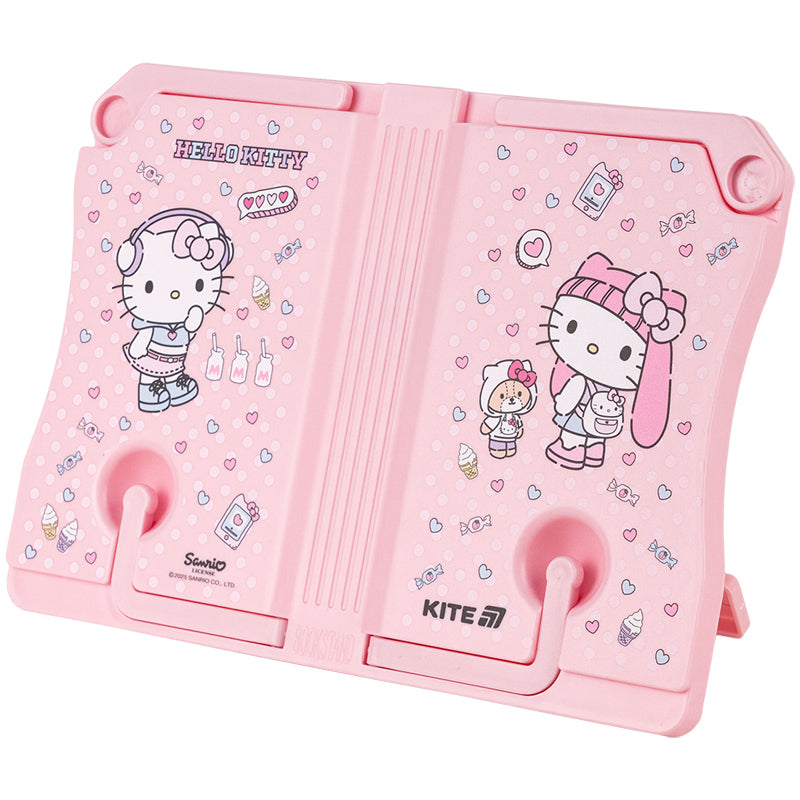
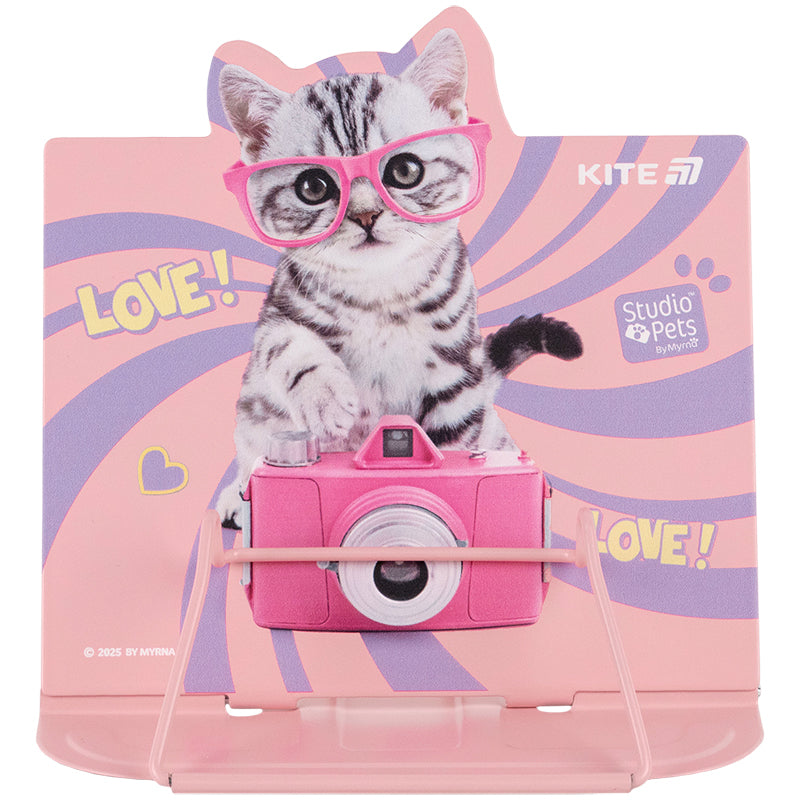
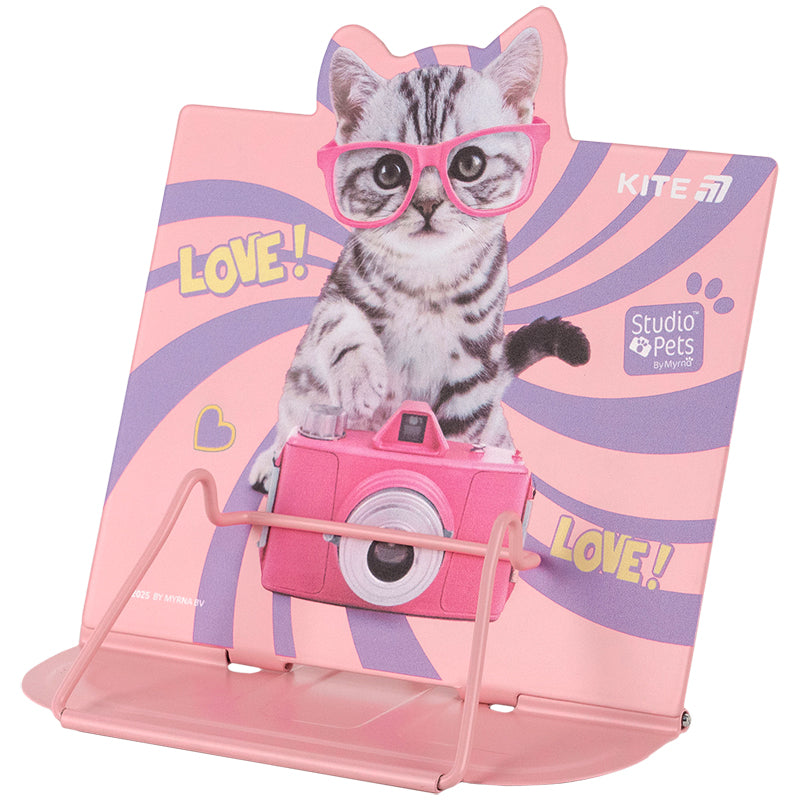
And a book stand makes learning more convenient and comfortable. The textbook is at eye level, the text is clearly visible, pages don't turn by themselves, and the child doesn't have to bend over or hold the book with one hand. This saves space on the desk and allows reading with a straight back.

Light, time, and your own learning rhythm
A Kite desk lamp creates a pleasant light for the eyes that helps focus on studying. This is especially noticeable in the evening hours: life buzzes around, but before your eyes is your own small illuminated space where everything is perfectly visible. And they also run on a battery, so you can study and create even during power outages.
Desk clocks help maintain rhythm. It's important for children to see time not on a phone, where there are so many temptations, but on their own desk. This develops a sense of pace and helps implement the 20-minute rule: work for 20 minutes, rest for 5.

Planners, stickers, and even piggy banks
Kite wall planners are a way to make planning simple and clear. Weeks, months, deadlines, tests, creative tasks, and clubs – everything is right before your eyes.
Stickers are small sheets with an adhesive layer that should always be at hand. Children can write short notes, important dates, tasks, or reminders on them. They are easy to stick on a textbook, folder, or desk pad, and then just as easily remove (they leave no traces). This helps not to forget about homework, creative tasks, or project deadlines, and the learning process becomes more organized.
A piggy bank will help keep track of one's own money, learn to plan expenses, and save money for necessary things. When coins and banknotes are collected in one place, they don't get lost or scattered across the table or room. This is a simple way to learn to plan one's own resources, and it also relieves the child and parents of unnecessary stress from chaos in small finances.
Life hacks that work effortlessly
- The rule of three zones: in front of you - learning, a little further - storage, nearby - a few inspirational items.
- The ritual of entering into learning: a short action that signifies "let's begin." Let it be turning on a lamp or opening a planner.
- Two-minute micro-tidying: just two minutes after lessons - and order maintains itself.
- The 20-second rule: everything you need should be close at hand - so you don't lose focus.
An atmosphere where inspiration lives
When everything in the workplace is logical, sequential, and tidy, even daily life becomes easier. Cleaning is required less often because things have their places and return there. Homework gets done faster because you don't have to spend half an hour looking for a ruler or a corrector that disappears precisely when it's most needed. The child doesn't jump from "I'll find it now" to "oh, what was I doing?" — attention stays on the task.
There's another benefit often overlooked: with such order, you can see in time when supplies and consumables are running out. Glue at the bottom, pencils worn down, notebook on the last pages. There are no "Mom, I need a new one for tomorrow..." moments when the clock shows 9:47 PM.
Textbooks and notebooks also look tidier because they don't live in chaos. And the child gets used to order, learns to structure their affairs, work with focus, and complete tasks.
In a cozy, clean, and well-equipped workspace, a love for learning is born, and a desire to return to one's desk again and again.