




Children of Generation Alpha grow up in a world of technology, choices, and rapid changes. How can we understand them, find an approach, support them, and get them interested in learning? A simple explanation for parents – with tips on how to create a comfortable home environment, motivate the child, and foster self-confidence.
We once learned how to use button phones, while they already set reminders with their voice and create their own YouTube channels. They are Generation Alpha. Children born after 2010 don't know life without the internet, gadgets, and freedom of choice. They grew up in a world where everything is accessible, fast, and personalized. So they think accordingly: independently, critically, curiously.

Who are "Alphas", in simple terms
Generation Alpha refers to children born after Generation Z. That is, those who are currently approximately 4 to 15 years old. Their world is augmented reality, learning through play, a wealth of information, and opportunities. Their childhood is different: not about playing with wooden blocks (although that's also important), but about creating their own projects, experimenting, and self-expression.

They do not tolerate "because it has to be this way." They want to know "why." And if you explain everything in detail, they understand and accept the rules not out of fear, but out of understanding.
Why parents need to understand generational characteristics
When we know what world a child is growing up in, it's easier for us to build relationships with them. This is not about "adapting" to the child, but about trying to hear and understand their logic.

Parents who are aware of the values of Generation Alpha:
- get less angry about "disobedience," because they see in it not a protest, but a search for meaning;
- find common ground more easily – through joint projects, ideas, research;
- better feel the balance between control and trust.
Children of this generation are very sensitive to the emotional climate in the family. They literally "read" the tension, and if something is wrong, they either withdraw or, conversely, become expressively irritated. Therefore, it is important for them to have a calm rhythm at home, a clear but flexible schedule. And a space where they can be themselves.

How to unleash the strengths of a Generation Alpha child
Alphas are not passive observers, but explorers. They learn through experimentation, play, and practice. They need direction, not control.
Strengths of this generation:
- flexible thinking – they quickly switch between tasks;
- digital intuition – they navigate technology intuitively;
- self-expression – they easily create something new, from memes to mini-businesses;
- fairness and empathy – it's important to them that everyone has a voice.
You can support this simply: give the child choices, listen to them, involve them in household chores, and offer "challenges" instead of "tasks."
What difficulties may arise
Where there is much freedom, there is always a risk of chaos. Alphas quickly get overwhelmed – with information, screens, emotions. Sometimes it's difficult for them to focus or follow rules.
Here's what helps:
- a clear but friendly daily routine (with enough sleep and screen-free time);
- predictable rituals: evening reading, shared breakfast, a short walk after lessons;
- a space without unnecessary noise – both in their head and at home.

Generation Alpha and learning
For them, learning is not about "forcing," but about "engaging." They quickly lose interest if they don't see the point. But if they are inspired, they can learn at an incredible speed.

The learning atmosphere plays an important role here. It is important for a Generation Alpha child to have their own space – comfortable, well-organized, with pleasant things that stimulate attention, not distract.

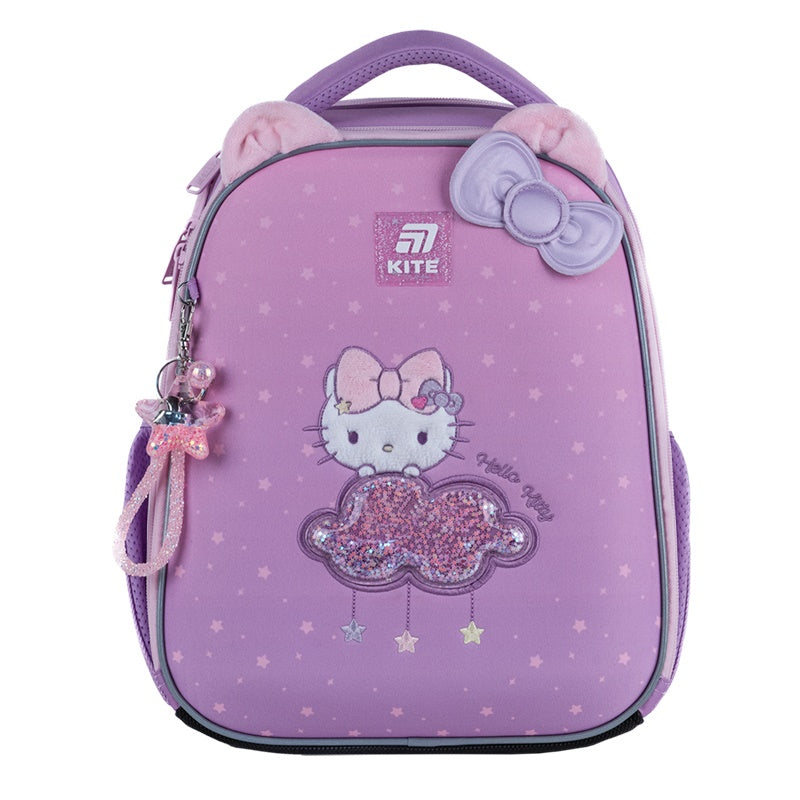
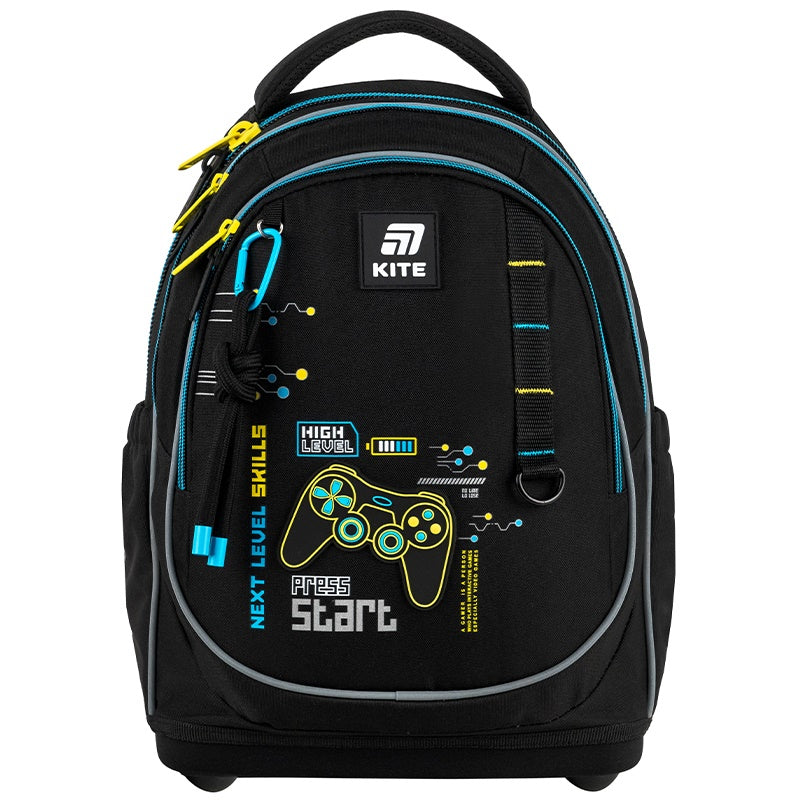
A backpack they want to take to school. A pen that writes well. A notebook with a bright cover – these are not trifles. These are things that create a sense of satisfaction with the process. And when a child picks up their favorite Kite backpack, sits down at a clean notebook, the thought "I enjoy learning" appears.

Therefore, quality stationery, proper lighting, a comfortable table and chair – these foster concentration and engagement.
What helps understand a Generation Alpha child
- Talk to them not "from above," but alongside.
- Explain – briefly, to the point, with meaning.
- Allow them to ask questions (even if there are a hundred of them).
- Don't punish for emotions – help them name them.
- Show that making mistakes is normal.
And remember: they need not perfect parents, but real ones who hear and feel.
Summary
Generation Alpha are not "difficult" children, but a new stage in human development. Their speed, curiosity, and pursuit of meaning are what can make the world better if we, adults, learn to be alongside, not ahead.

And when a child in this crazy world has their own small microcosm – a backpack where everything is in place; a workspace where it's cozy; a family where it's calm – they grow up confident. And then even the digital generation feels the main thing: warmth, love, and support.
Kite – children choose the best.

