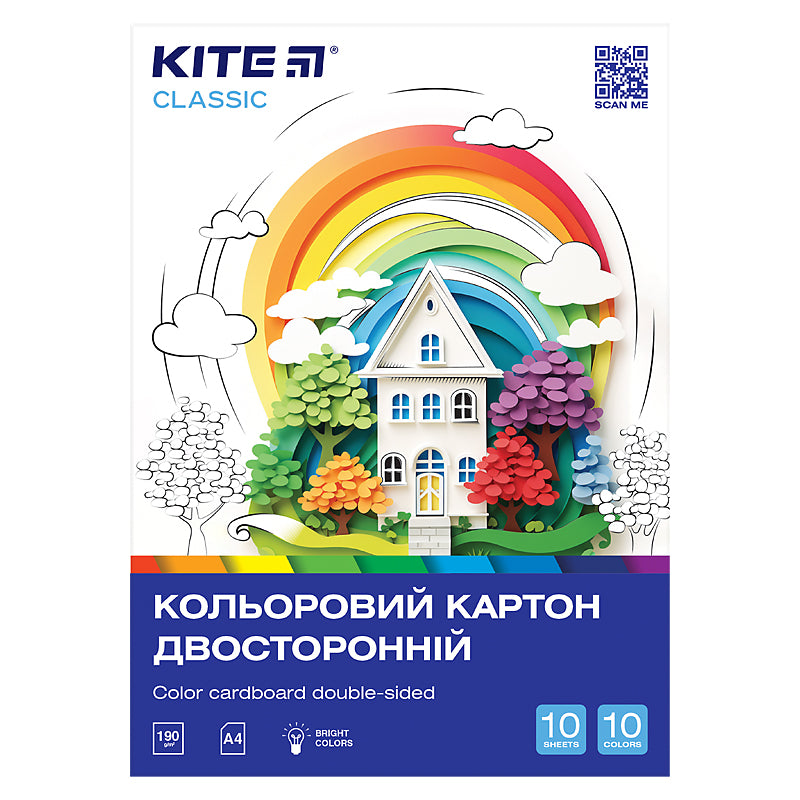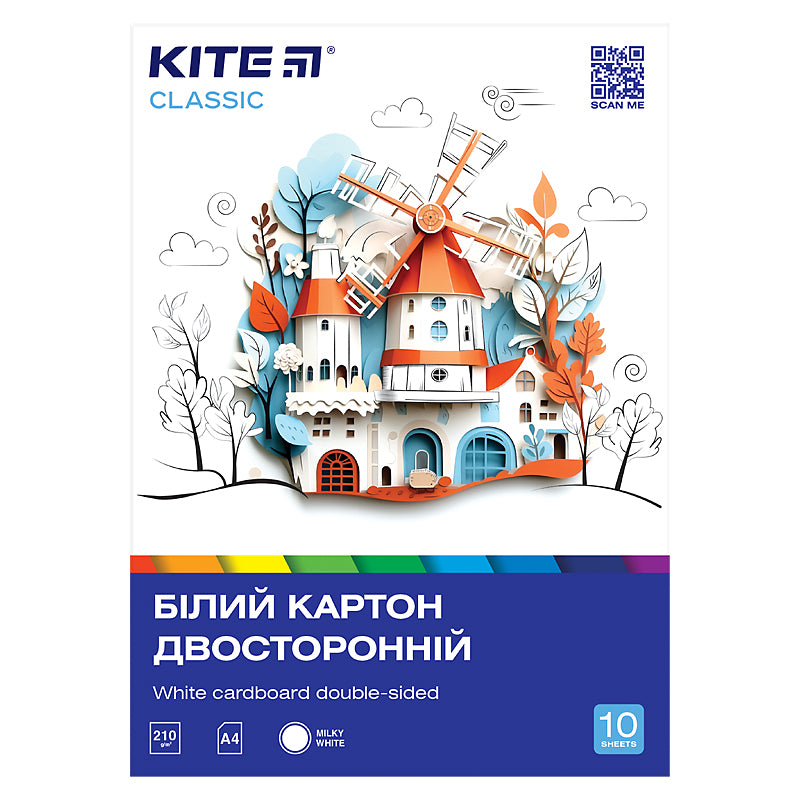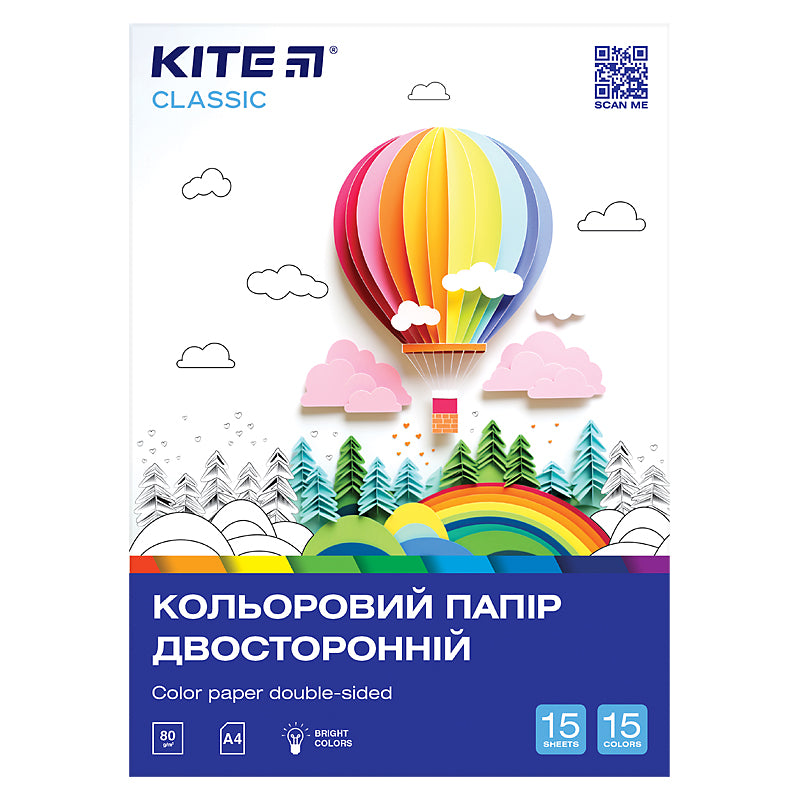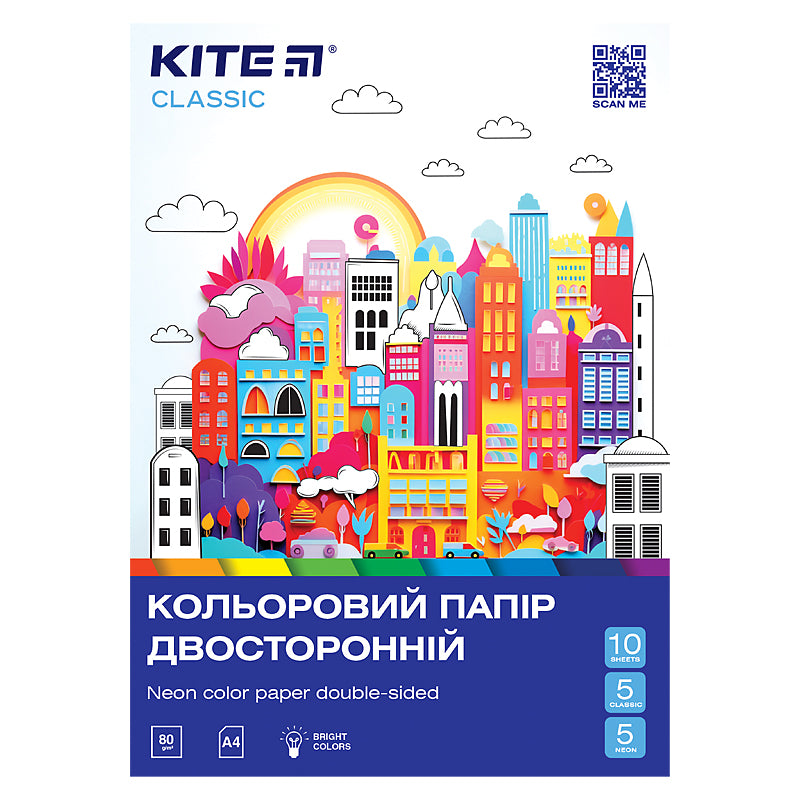


Applique is an effective way to develop a child through creativity. Every child, holding colored paper in their hands, can create something unique, while learning important skills. But what exactly is applique and why is it so beneficial for children's development?

Applique: A Game with Materials that Opens the Door to Creativity
What does the word "applique" mean? What is applique and its types?
The word "applique" means "to apply" or "to attach." This accurately describes the essence of this technique: elements of various materials are glued onto a base, creating diverse images, compositions, or decorations. For children, this is not just a fun activity, but also an opportunity to develop important skills: fine motor skills, coordination, imagination, and concentration. Creating each element of an applique requires attention, patience, and the ability to see the whole picture. Therefore, it's not just creativity; it's learning. Applique opens up endless possibilities for children to express themselves, developing their creativity and motor skills.
There are different types of applique:
- Paper applique — this is the most common type, allowing children to work with colored or textured paper and cardboard.
- Volumetric applique — this technique involves gluing parts at different levels, creating a three-dimensional effect. This allows children not only to work with various materials but also to develop spatial thinking.
- Fabric applique — using different types of fabric to create decorative elements and pictures.
- Applique with natural materials — natural elements such as leaves, seeds, or flowers can also be used for appliques, adding a unique texture to the works.
Applique is not just about children's cutouts, but also about real art! Collages created by iconic artists such as Pablo Picasso and Georges Braque became a breakthrough in 20th-century art. And Andy Warhol, a master of pop art, used the technique of layering images and colors, creating his famous series, such as the portraits of Marilyn Monroe. Even the cover of The Beatles' album Sgt. Pepper's Lonely Hearts Club Band is also a kind of applique, where cut-out photos of iconic personalities form a unique composition. So, when your child glues cut-out figures onto paper, it's entirely possible that you are observing a future genius of modern art!

Materials for creating appliques
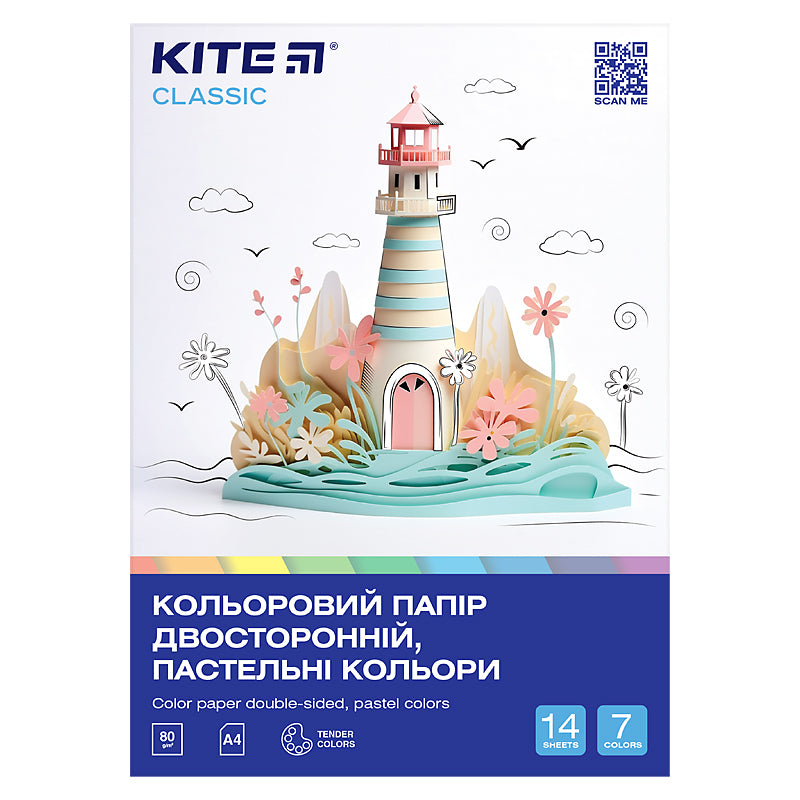
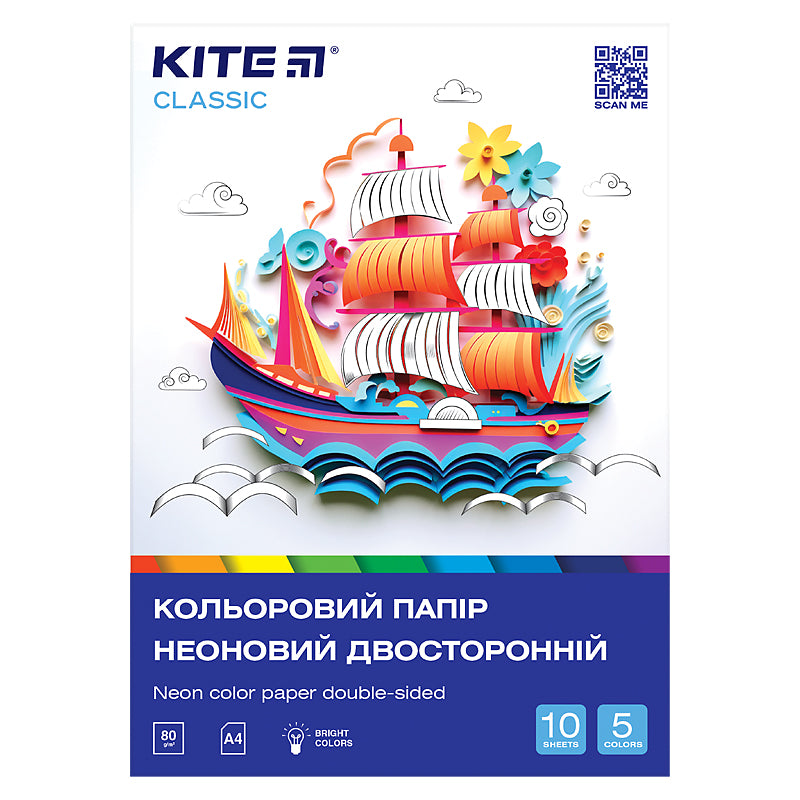
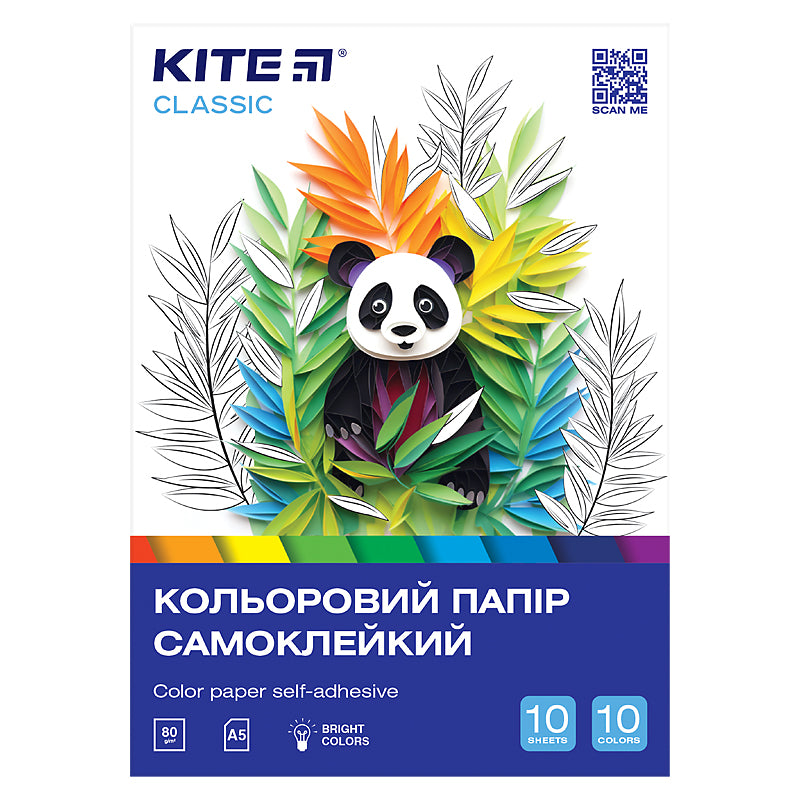
- Kite Classic Colored Paper and Cardboard — these are basic materials, indispensable for both beginners and those taking confident steps on the path of applique art. This is a real super-mega base for school! They are needed everywhere: from the first appliques in junior grades to creative projects, stands, and even scientific presentations. No academic year is complete without them, as these materials help children visualize their ideas and develop creativity.
- Kite Foamiran — this material literally brings appliques to life. Light, elastic, wonderfully pleasant to the touch, it allows you to create voluminous works, transforming simple pictures into true works of art.
But that's not all! There are other incredibly cool materials that will surprise both adults and children:
- Holographic paper — creates the effect of cosmic, shiny details that change color at different angles. This is not just a material for appliques, but real magic!
- Glitter cardboard — makes any work bright and festive. This is a great option for creating appliques for holidays or for decorating a room.
- Foamiran with print — perfect for creating unique, stylish appliques where you can combine different patterns, textures, and colors.
- Metallic cardboard and foamiran — gives appliques a modern look, as it shimmers in the light and looks very impressive. This is an ideal option for creating futuristic accent details that attract attention.

Applique in school: how colors and shapes develop children's thinking
Applique teaches children to see the world in colors and shapes, to combine elements so that they create harmonious compositions. In preschool, children get acquainted with basic geometric concepts through applique: square, triangle, circle, rectangle. Initially, these are just cut-out details, but later the child learns to arrange them into patterns, animal figures, houses, or even fairy-tale characters.
In primary school, applique is an important teaching method. Creating narrative compositions helps develop logic, understanding of proportions, and even fine motor skills, which directly affect writing development. Children learn to convey their thoughts through images, combining materials: soft foamiran for volume, holographic paper for light effects, and cardboard for the strength of the craft. One can imagine a school project where instead of a usual poster about the Solar System, a child creates a three-dimensional model of planets from foamiran, or instead of a dry narration about the forest, children cut out and glue a colorful autumn landscape from colored cardboard.
Beyond aesthetics, applique helps reinforce knowledge across various subjects. For example, in math classes, children can cut and assemble geometric shapes, and in the "I Am a Researcher" (ЯДС) subject, they can create 3D models of insects or flowers. And what's most interesting—even the simplest works teach children patience, perseverance, and the ability to see a project through to completion. So, applique isn't just glue and scissors; it's a true universal key to developing a child's imagination and learning through creativity.
 Why create appliques outside of school?
They can become not just a creative outlet, but also a useful element in everyday life. Here are a few ideas:
- Home decorations. Create appliques with your child in the form of flowers, animals, or geometric shapes, and you will have wonderful decorations for the room.
- Cards. Special, handmade cards for family and friends will always be a wonderful gift.
- Educational projects. Use appliques as part of learning activities: to create interior maps, pictures on the theme of nature or history.
- Several options for young children. Applique for children aged 4-5 can be very simple — colorful figures glued onto bases teach not only creativity, but also the basics of geometry and colors.

Where to find ideas for creativity?
On the packaging of Kite Classic materials, there are QR codes that lead to the creative workshop page on YouTube. Here you will find even more ideas for using colored paper, cardboard, foamiran, and other creative materials. And not just for children! After all, applique is not only for toddlers; it's a great way for adults to relax and allow themselves to be creative. So grab Kite materials and create amazing masterpieces with your child that will delight you for a long time to come.