



Etiquette makes our daily life better. Good manners smooth out rough edges, protect personal boundaries, and help avoid awkward situations. When a person is taught these rules from childhood, it is much easier for them to communicate in society, receive positive feedback from teachers, and build friendly relationships with peers.
How does adult etiquette differ from children's etiquette?
Rules of politeness and culture of behavior are the same for adults and children; the only differences may be in the strictness of the requirements for their observance. While society might forgive a three-year-old for absentmindedly picking their nose, such an incident is unacceptable for an adult.
At home, on the street, and visiting
Home etiquette is no less important than formal etiquette. The mood and comfort of loved ones depend on the culture of behavior at home.
- If your usual home outfit looks like a cosplay of a street homeless person, this is a gross violation of etiquette. Everyday clothes should be practical and comfortable, but always decent and beautiful. Pajamas are exclusively for sleeping. It's great if a child gets used to taking care of themselves and looking neat even at home from childhood.
- Knocking before entering is a well-known rule. But parents often forget about it when entering a child's room. And in vain. Personal example is the best etiquette coach.
- Drying an umbrella – only folded, on a special stand or in a place where it won't stain anything.
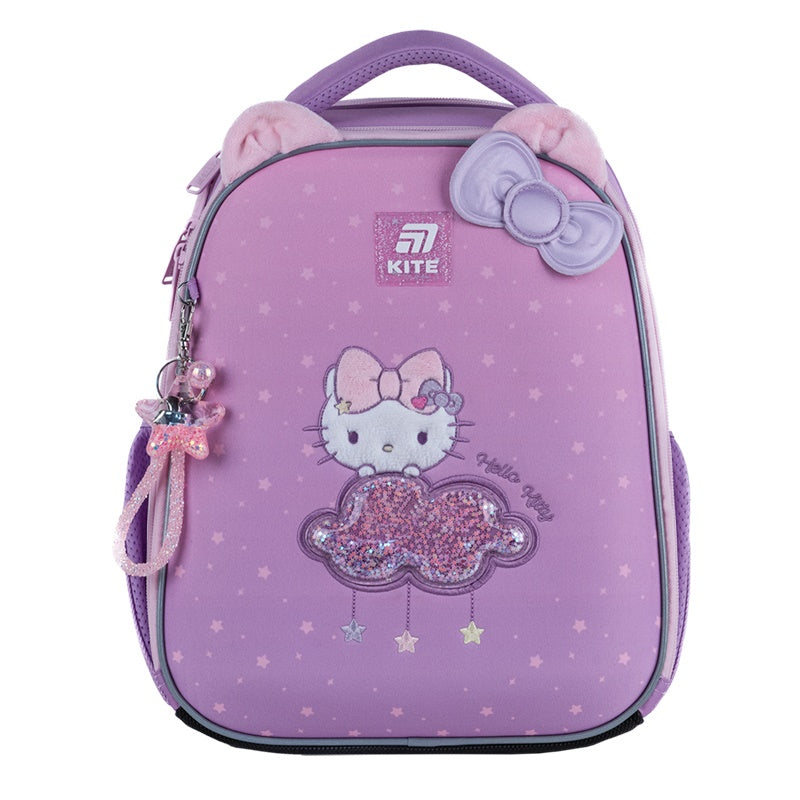
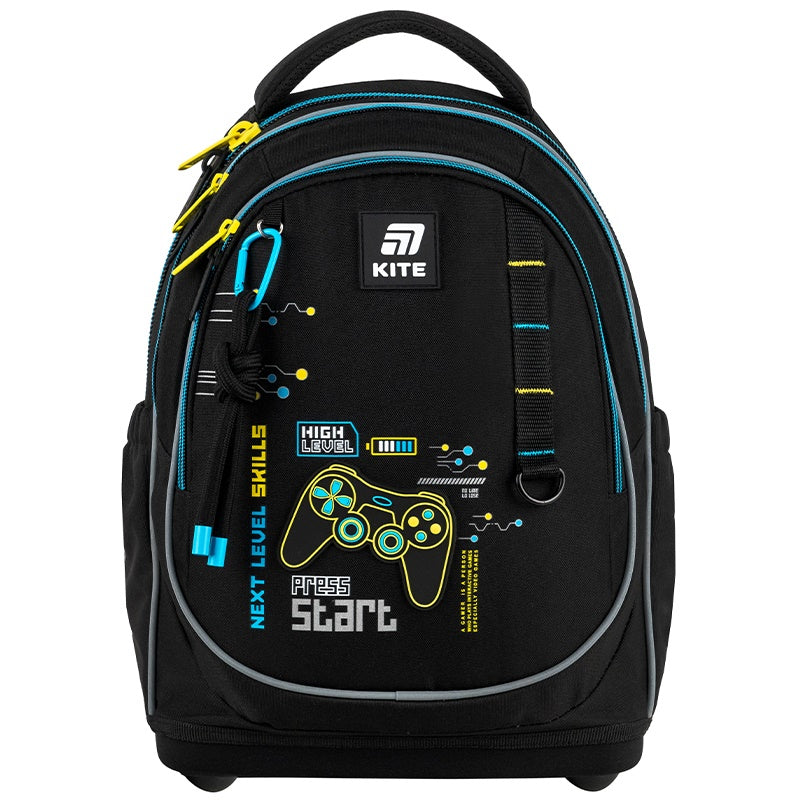
- Using a plastic bag as a handbag is not comme il faut. It is only appropriate for transporting groceries from the store. And if you care about the environment and want to look stylish, it's better to immediately replace it with a reusable shopping bag. It is not only more durable but also adds completeness to your look - even if you just popped out for bread. And for a change of shoes for school, it's better to get a special Kite shoe bag: it's eco-friendly, aesthetic, and doesn't violate etiquette.

On public transport
-
Marshrutka or phone booth?
Making a call, quietly and briefly conveying important information - you can. But loud arguments, emotional disputes, and long discussions are things without which the trip will be better. -
Should you take off your backpack on public transport?
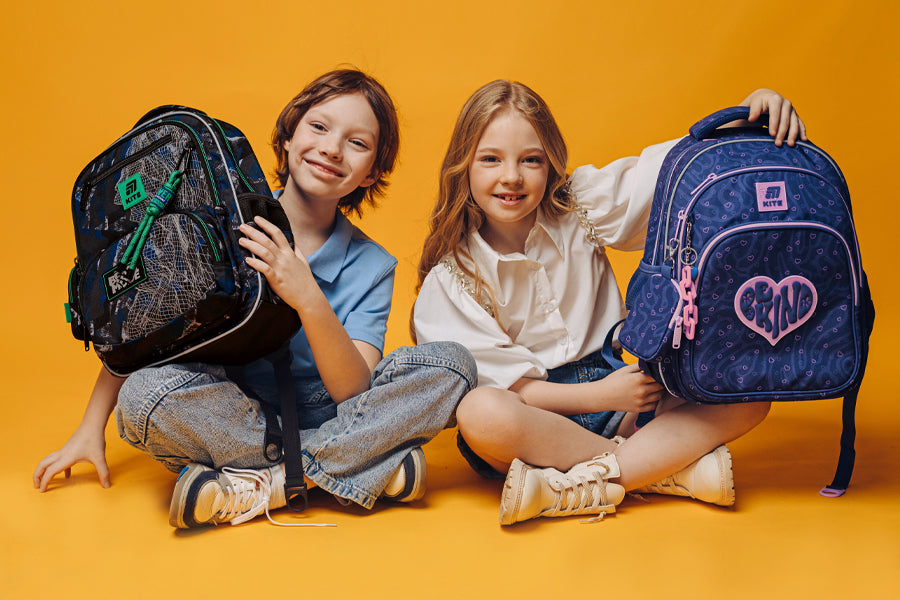
Bulky bags and backpacks create inconvenience for others: they block the aisle, hang at face level for seated passengers, and take up a lot of space. This raises the question: how to properly wear a city backpack or school bag in public transport? You need to carefully take off your bag or backpack from your shoulders and hold it at knee level. Kite backpacks are lightweight, compact, and have an ergonomic carrying handle, making them easy and convenient to travel with on a marshrutka. -
Where to place your bag according to etiquette
Definitely not on the passenger seat. Occupying a free seat with luggage is bad manners. It's better to sit down and put your bag on your lap. -
Turn off the music
Found a dazzling track whose incredible beauty you want to share with others? Refrain. Listening to music through speakers is not ethical. And not just on a trolleybus, but in any public place. -
Finish your ice cream before the bus arrives
This also applies to other sweets. Balancing in a shaky cabin with a cone that has already started to melt is not the best idea. Etiquette strictly forbids it. And not without reason: because you can get dirty yourself and soil the clothes of others.

Frequently Asked Questions
What is school etiquette?
School etiquette refers to unwritten rules that help students behave well, respect classmates and teachers, and avoid awkward situations in lessons and during breaks.
Who should greet first according to the rule of precedence?
According to the rule of precedence, the older person or the one entering the room greets first.
What does etiquette include?
Manners, greetings, respect for others' space, adequate communication, and aesthetic aspects — all are parts of etiquette.
What is 5th grade etiquette?
Fifth-grade etiquette is the beginning of forming independent behavior, where children are expected to show respect for classmates and teachers, and adhere to school norms.
Rules of etiquette on the street
Be polite to passers-by, do not obstruct traffic, avoid loud conversations.
Rules of communication etiquette
Listen to your interlocutor, don't interrupt, ask questions if you don't understand, and maintain distance when necessary.
It's best to teach children etiquette rules in a playful way, following the scheme: "Tell - show - do together." Good manners are always relevant!

