
School is a world where a child learns not only to multiply and write essays, but also to find their place among peers. For some, making friends comes easily, while others need more time to feel like part of the group.
How can you help your child adapt and make friends? The main thing is to create conditions where they feel confident and calm. Here are some important tips to help improve communication and reduce anxiety.
1. Children make better choices
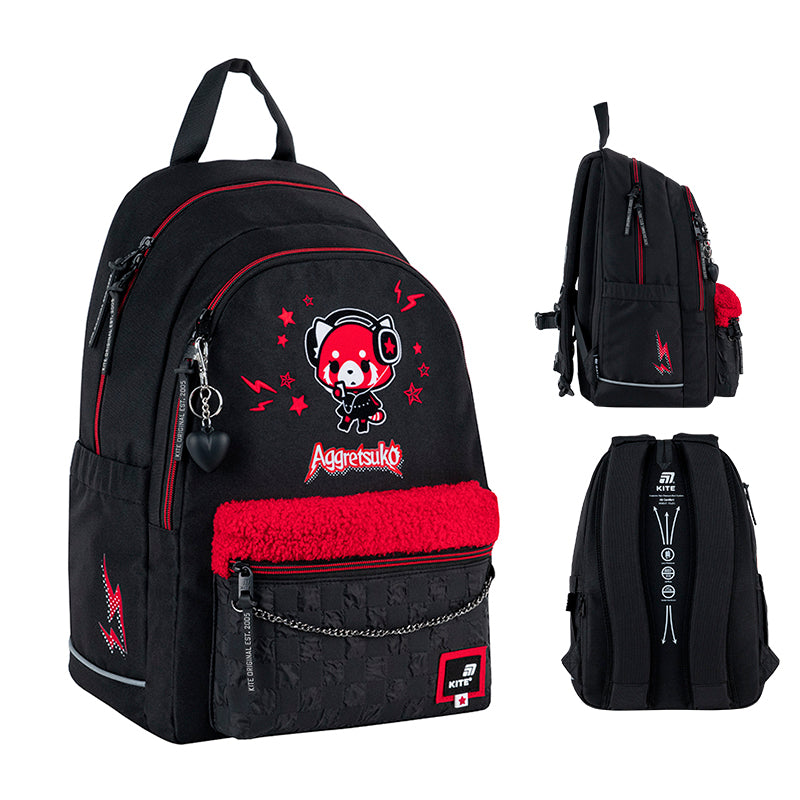
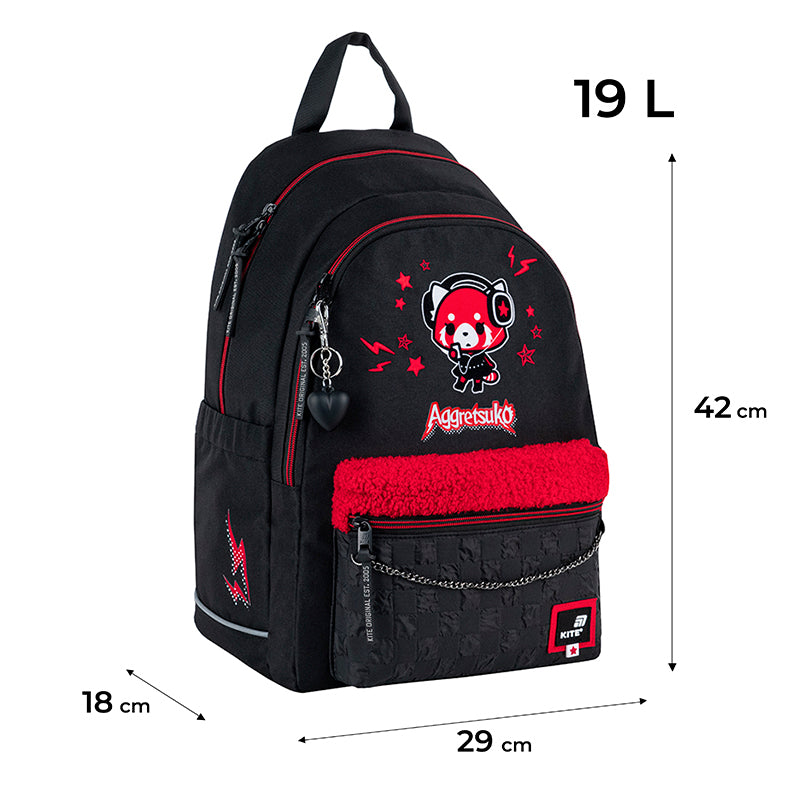
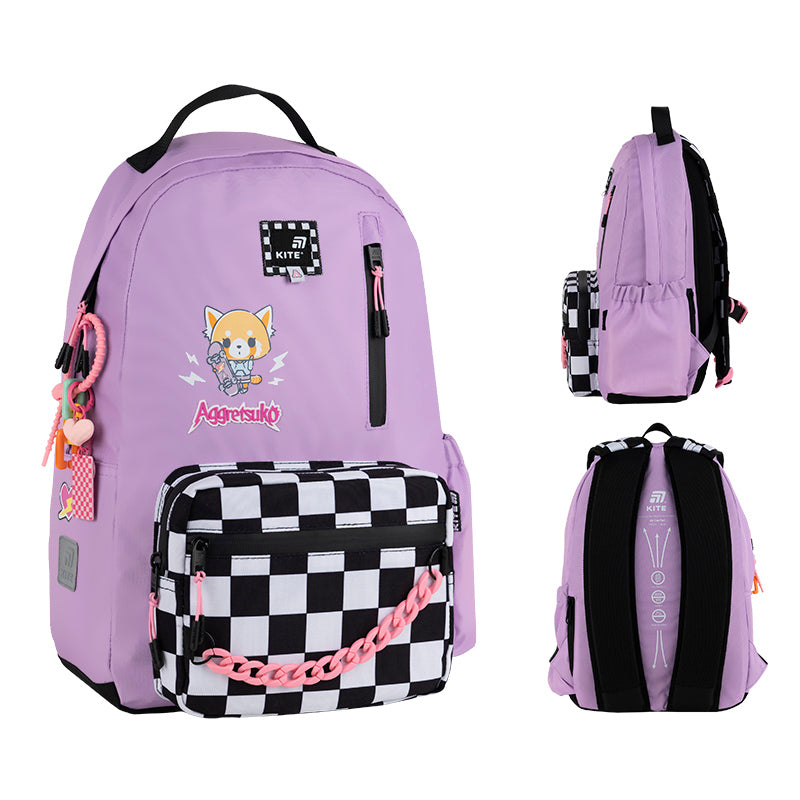
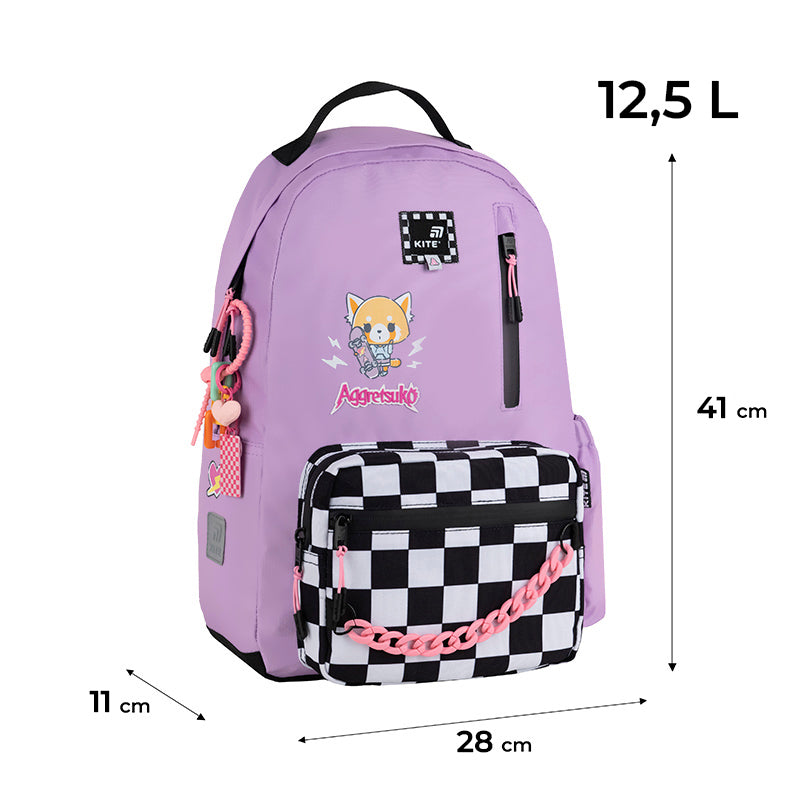
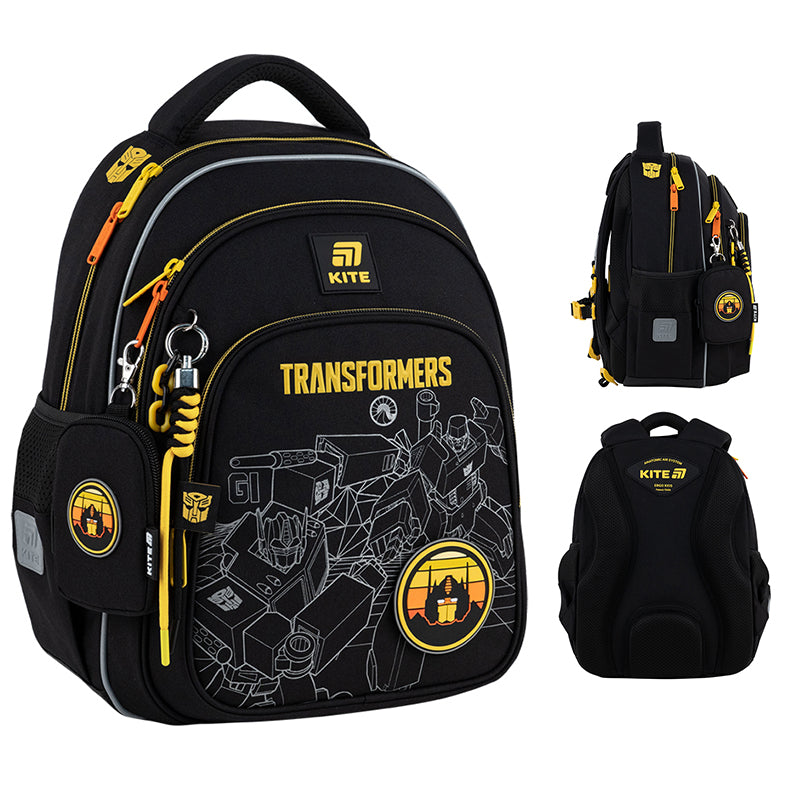
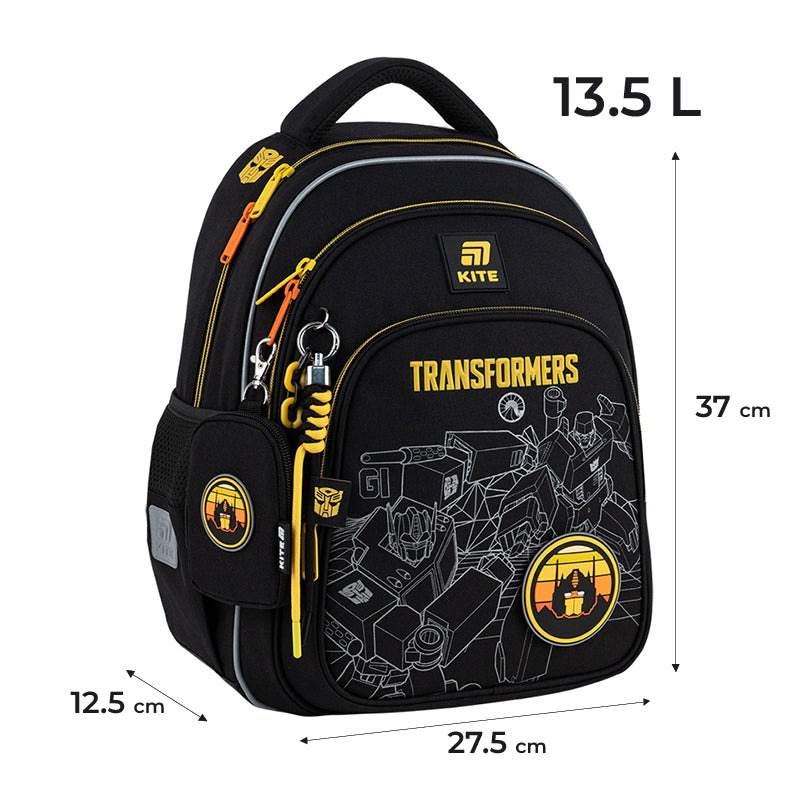
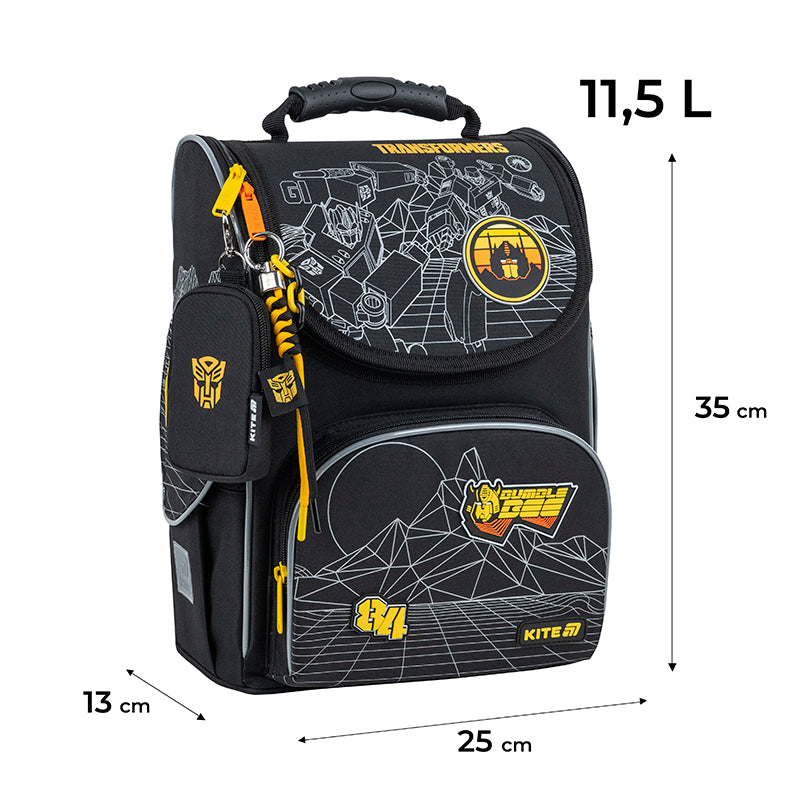
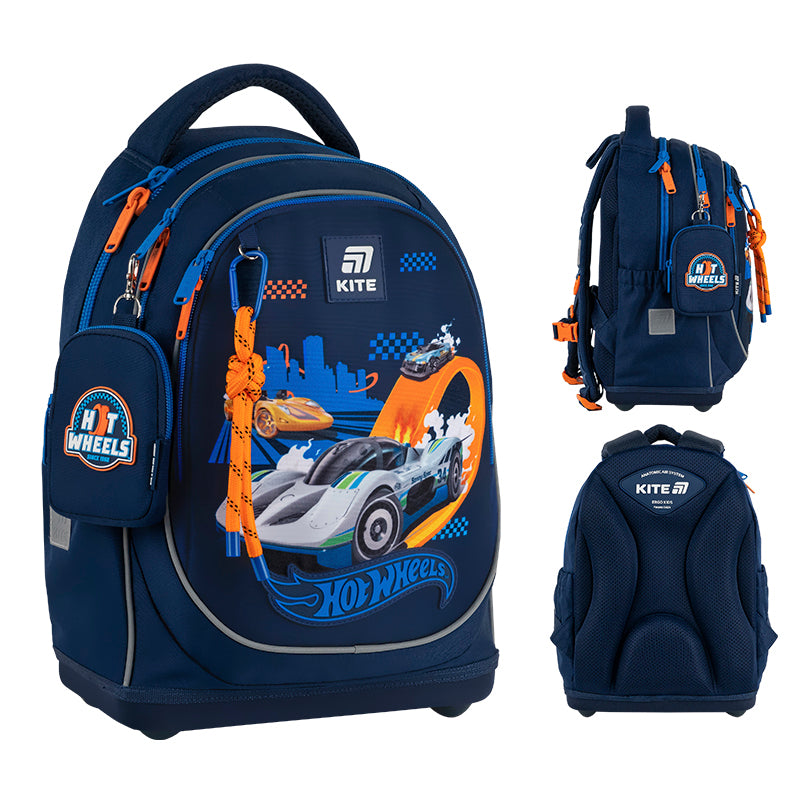
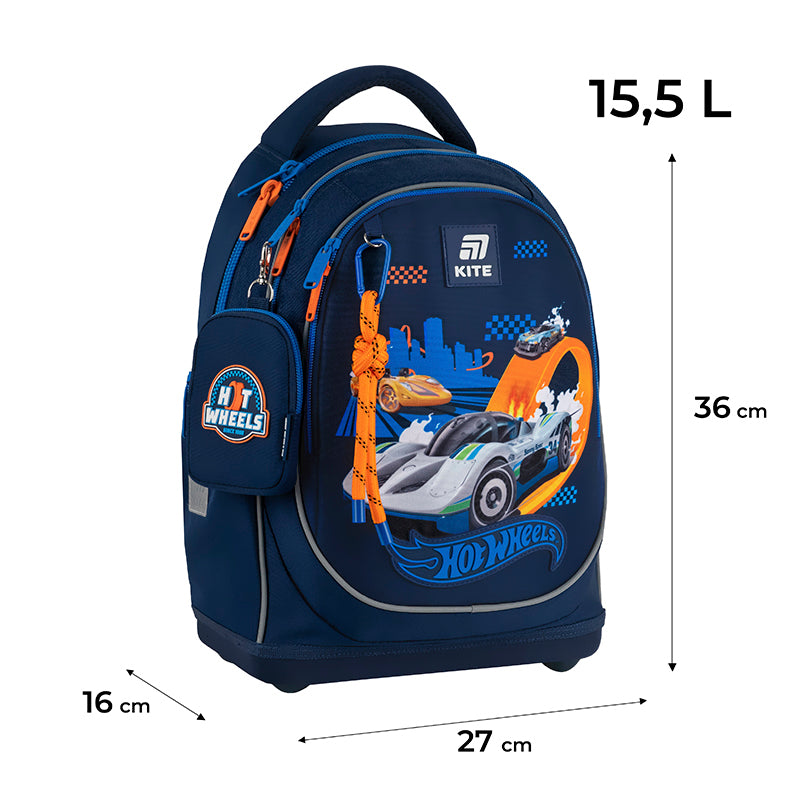
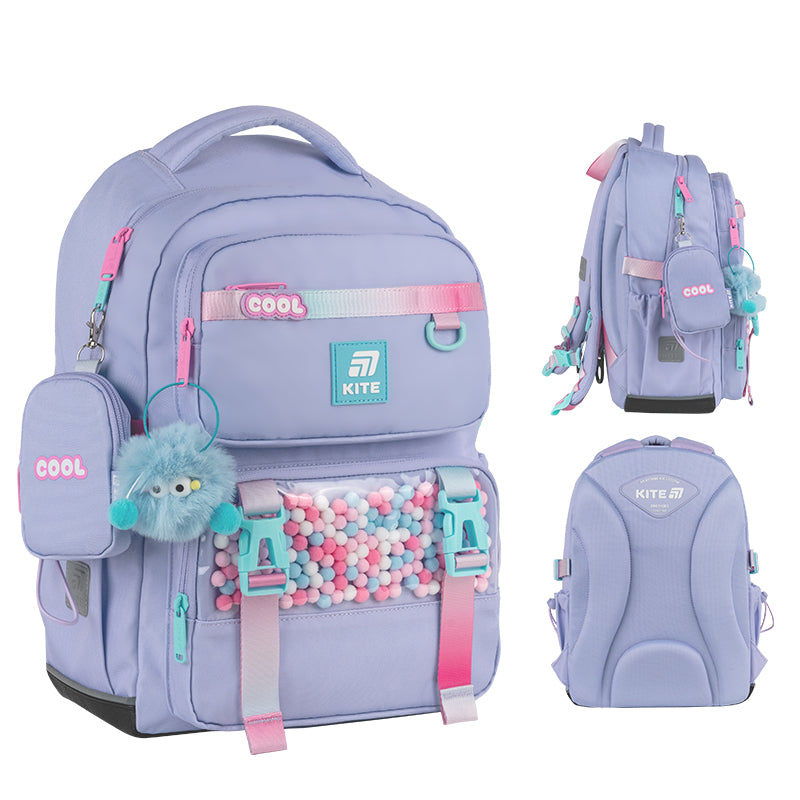
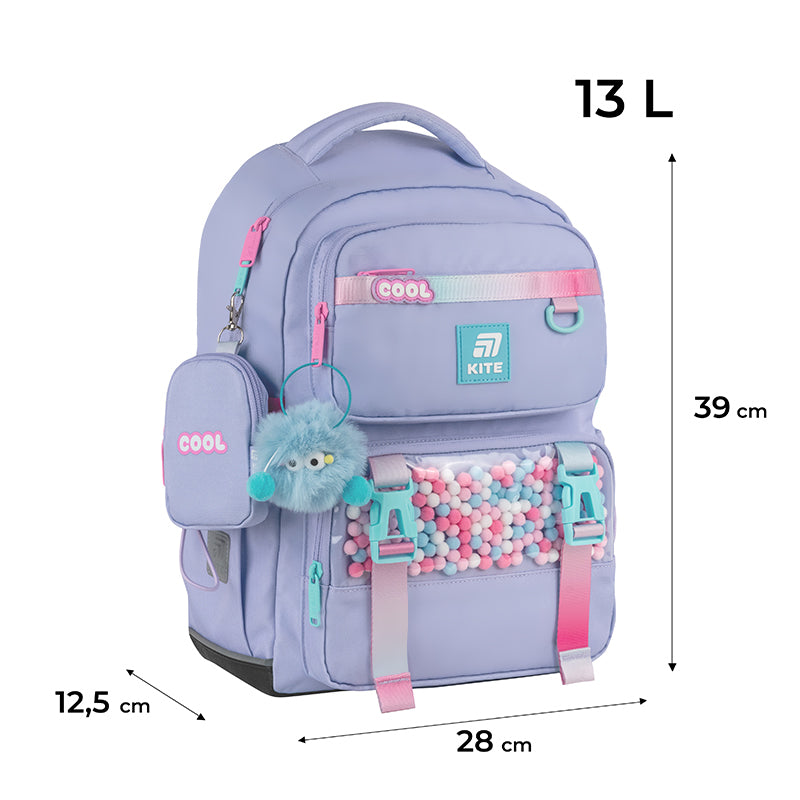
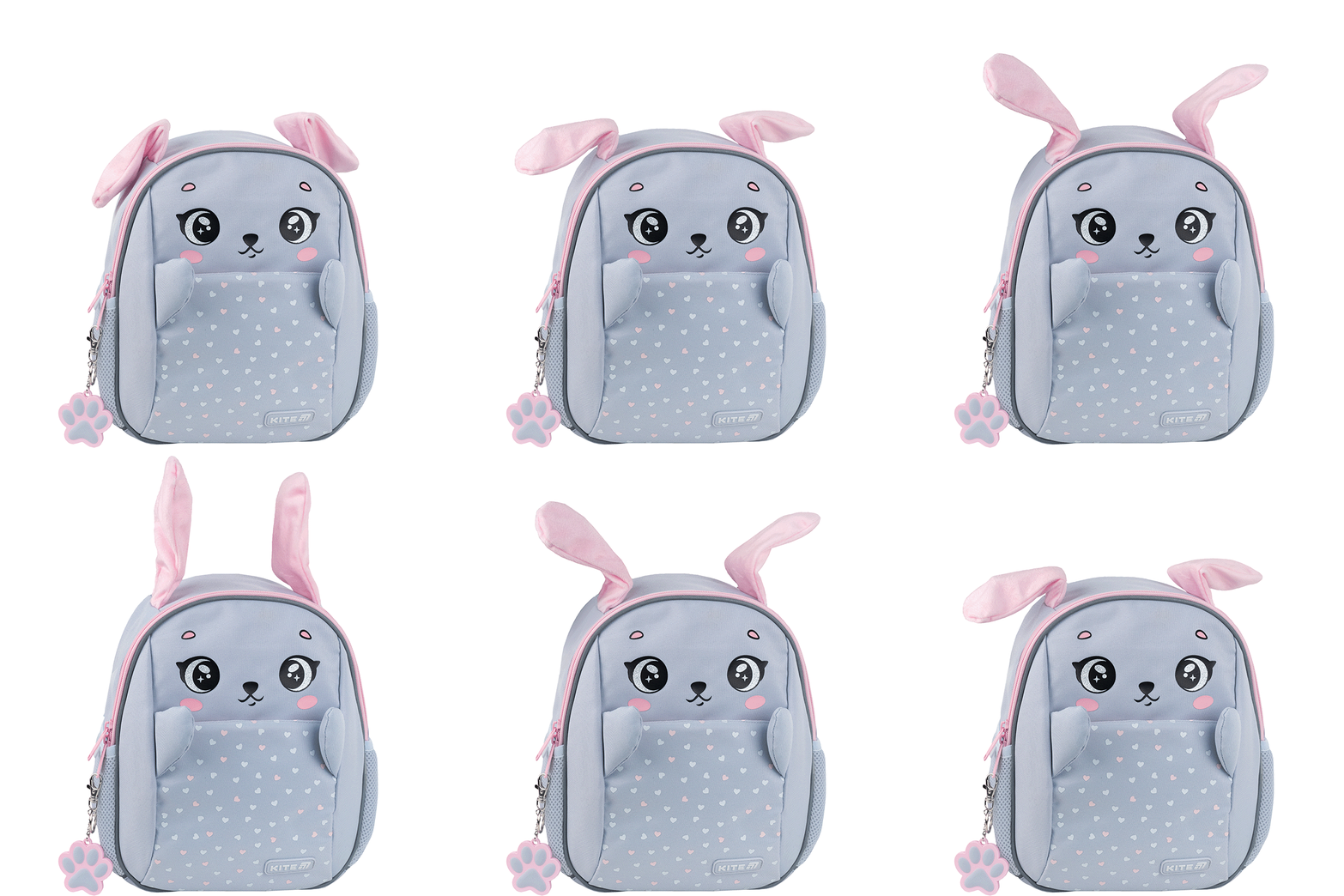
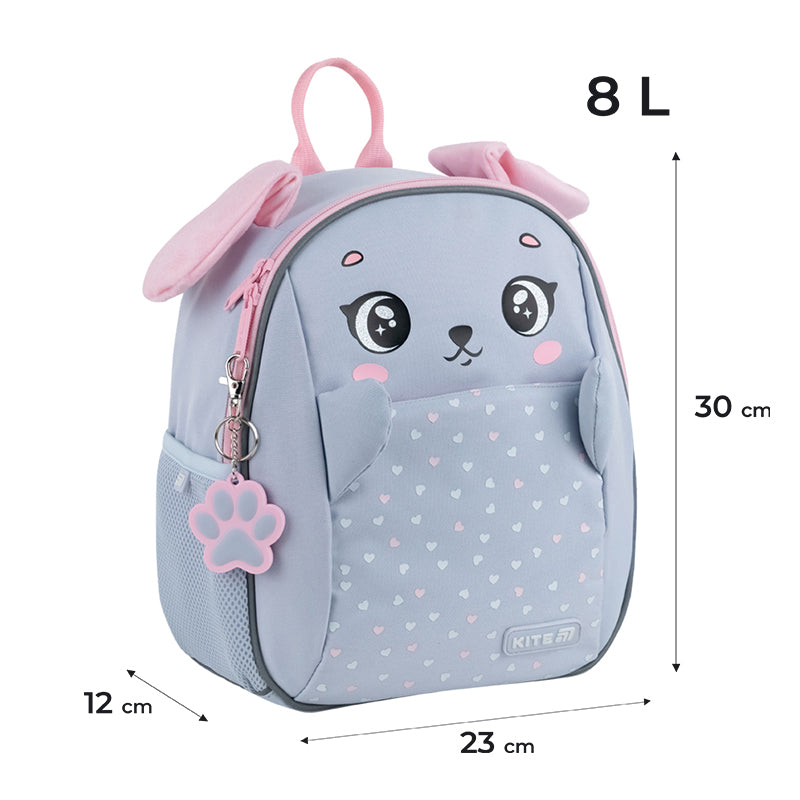
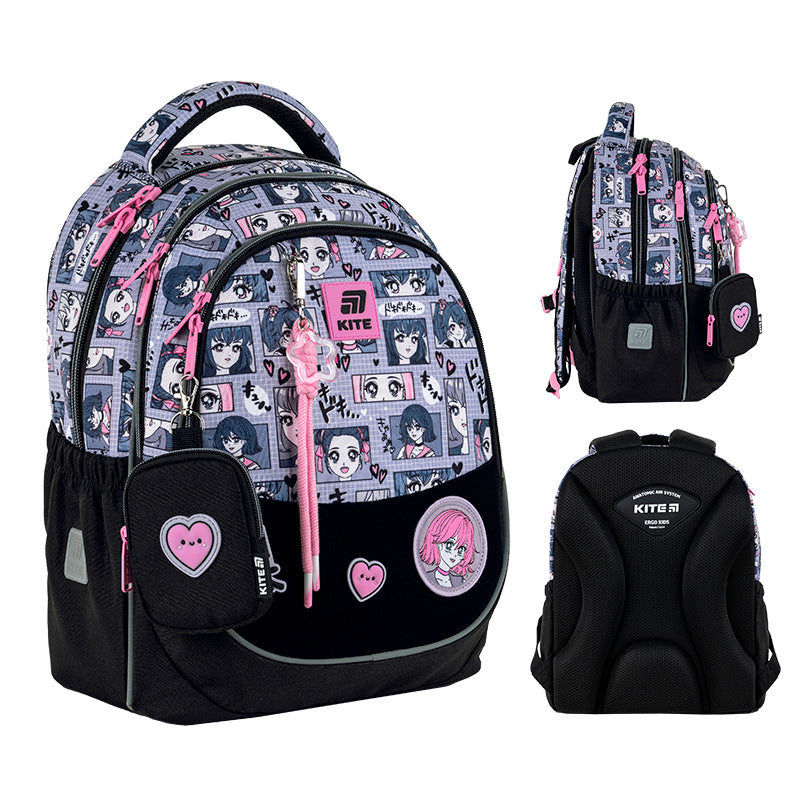
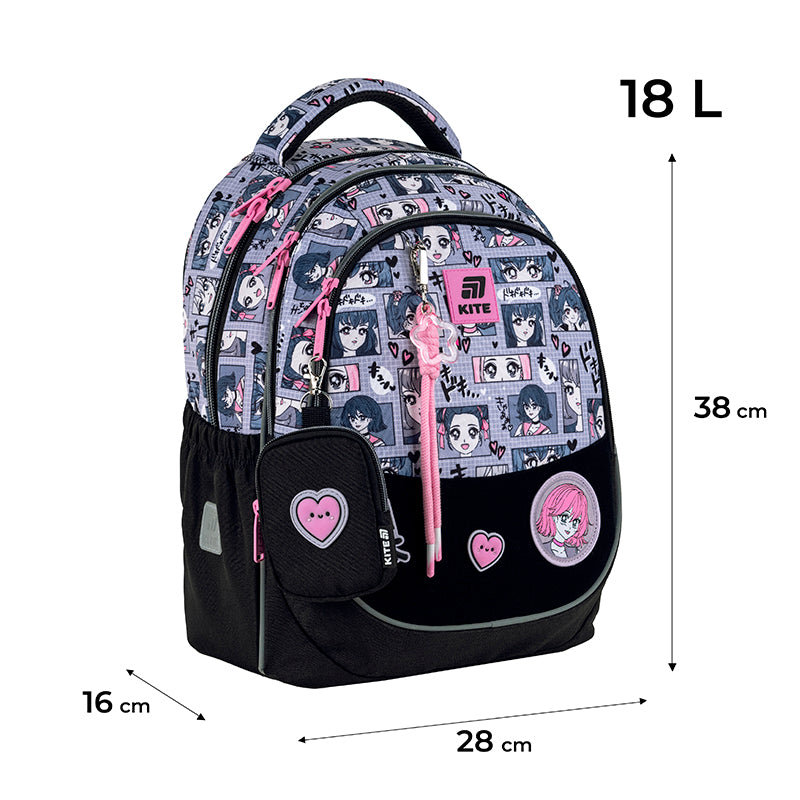
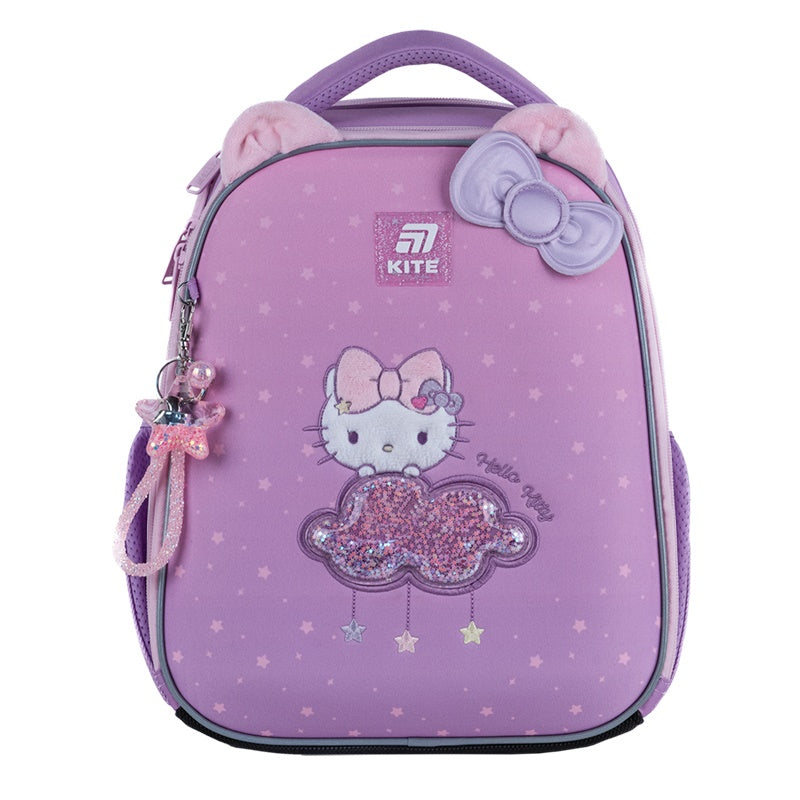
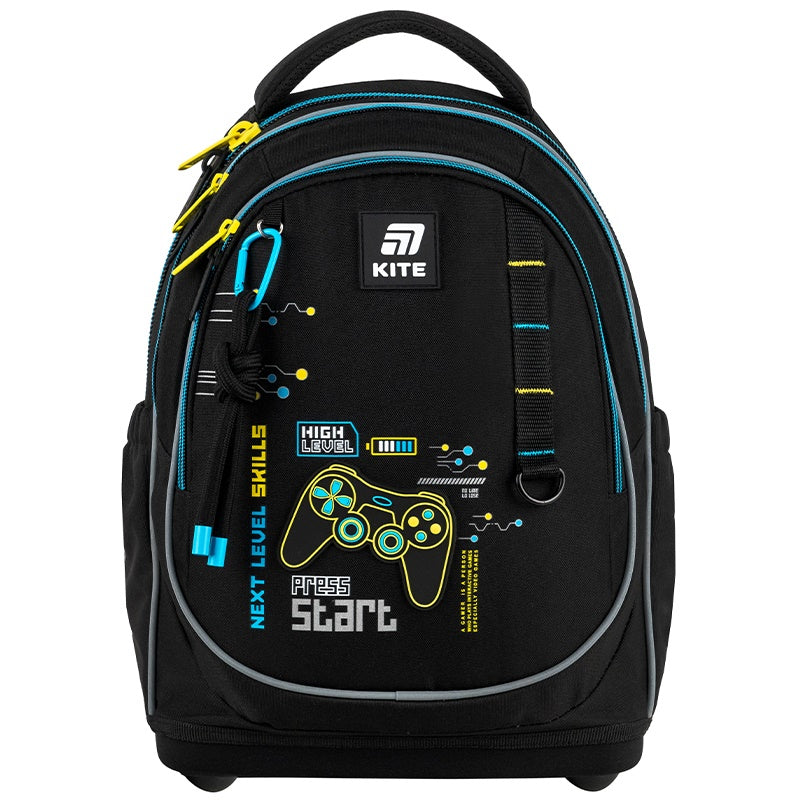
Confidence grows where there is a sense of security and harmony. Where everything is familiar and interesting. And a child's personal space is not just their home, but all the places they spend time. The environment shapes everything that surrounds them daily, including school supplies. A backpack, pencil case, notebooks — these are not just objects, but part of their small world where they create, learn, and dream.
When a child chooses what they like, they learn to listen to themselves, understand their desires, and trust their own choices. This is a way to express themselves, feel that their opinion is important, and become a little more self-confident. And it's also a way to find support in a new group, because when a child feels comfortable in their own space, it's easier for them to open up to others.

2. Shared interests as a bridge to friendship
Children bond through games, hobbies, and shared activities. Encourage your child to tell classmates about their favorite book or cartoon. Perhaps someone shares their interests? Joining a club or sports section can also help them meet like-minded people in a relaxed atmosphere.
3. Your belongings can speak for you
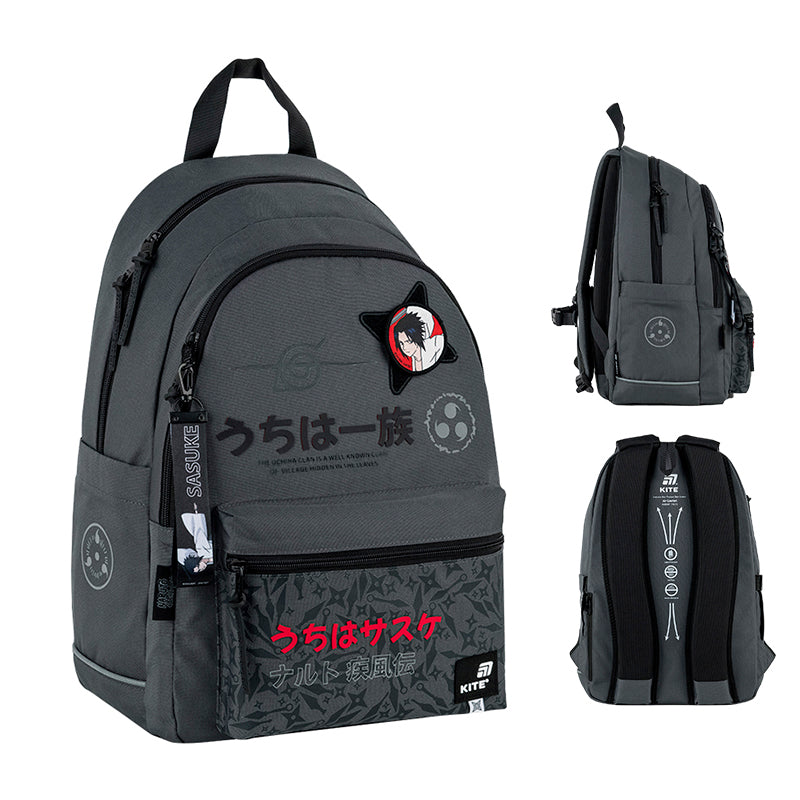
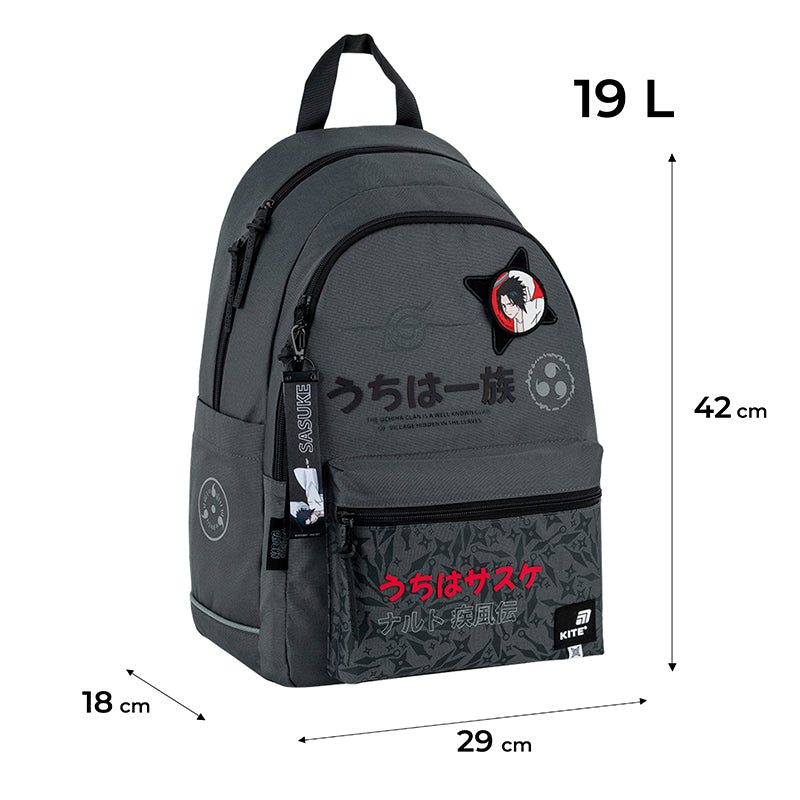
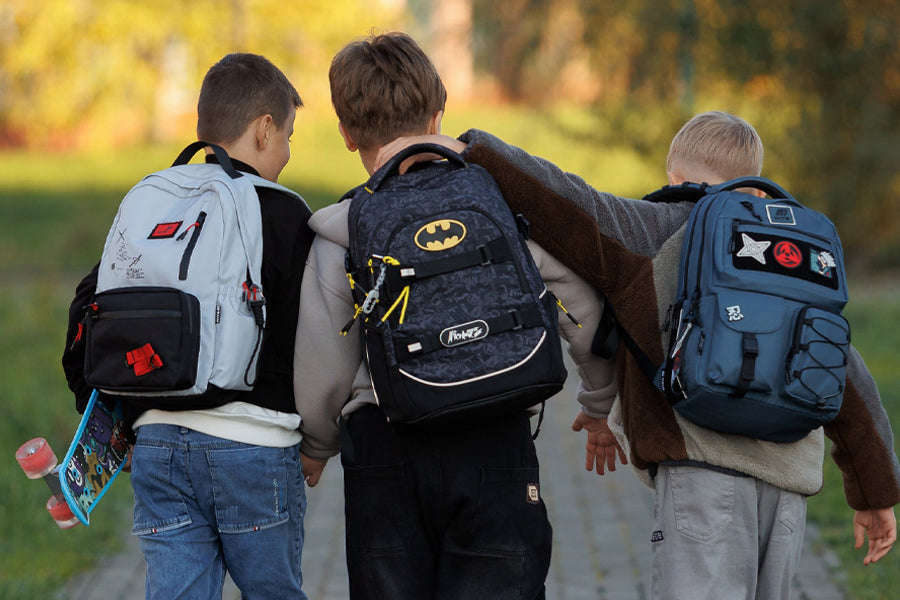
A backpack or stationery with favorite characters can be a signal to potential friends. Do you like Harry Potter or Naruto? There's a high probability that someone in class also enjoys these universes. Shared preferences help find like-minded people, provide topics for conversation, and lead to new acquaintances.
4. Small rituals of support
Transitioning to a new group is always a challenge, so it's important for the child to have their own "anchor" of calm. This could be a note from parents in their backpack, a keychain with a favorite character, or a toy associated with home. Such small things help them feel more confident and calm.

5. The ability to listen and support
Friendship is built not only on shared interests but also on the ability to listen to others. Teach your child to ask questions and genuinely be interested in what their peers are talking about. A simple "How are you?" or "What did you like in class today?" can be the start of a conversation.
6. How to learn to regulate emotions
School is not only joy but also worries, new challenges, and sometimes stress. It's important for a child to know how to calm down in difficult situations. The Kite book "Phew and Blow," co-written with child psychologist Natalia Pashko, can be an excellent helper. In it, magical characters playfully teach self-calming skills through breathing. This is not just a fun story, but real techniques that help relieve tension and restore balance.
7. Friendship through help
Sometimes friendship begins with a simple gesture — for example, when a child lends a classmate a pen or pencil. Having a spare pen in your pencil case is always useful: it's not only a sign of caring for friends, but also your own backup in case your pen suddenly stops writing.

8. A small treat – a big gesture
Treating someone to a snack from a nice Kite lunchbox is also a way to show friendliness. A snack with friends brings people closer, especially if it's tasty homemade cookies or fruit that can be shared.
9. Support and patience
Phrases like "You have to make friends" or "Be braver!" only add to the tension. It's better to ask: "How did you feel at school today?", "Was anything interesting?", and together look for solutions if the child shares difficulties.
10. Friendship doesn't happen overnight
New acquaintances take time. If a child doesn't immediately make friends, that's normal. The main thing is not to force them, but to support them at their natural pace of adaptation.

Life hacks for parents: how to help a child with friendship
What if a child can't make friends?
- Help them integrate into the group: organize a joint game, picnic, or other informal acquaintance. Shared interests = an easy start to friendship!
How to help a child communicate with peers?
- Teach simple phrases for meeting people: "Can I join you?", "What are you building?", "Let's do it together?". The main thing is to try, and then it will be easier!
How to be a good friend?
- Teach not only to play together, but also to compromise, listen, and forgive. Friendship is not only fun, but also respect.
Where to find new acquaintances?
- Clubs, sports, libraries, children's events will help here. The more options – the more chances to find "their" people.
When do children start making friends?
- Toddlers under 5 mostly play next to each other, but each of them can do their own thing. And from 6-7 years old, the first true friends appear. The main thing is to give them time and opportunity!
Why don't older children communicate with their parents?
- Sometimes they lack a sense of security in communication. If every conversation ends in advice or criticism, they simply stop sharing. Listen more, judge less – and the connection will be restored.
It is important to remember: school is not only about learning, but also about developing social skills. When a child feels comfortable, friendship will find them! Parental support and inspiring products from Kite create the foundation on which a child can blossom, confidently discovering themselves and building genuine relationships. Together, we will help them find their way and believe in themselves!