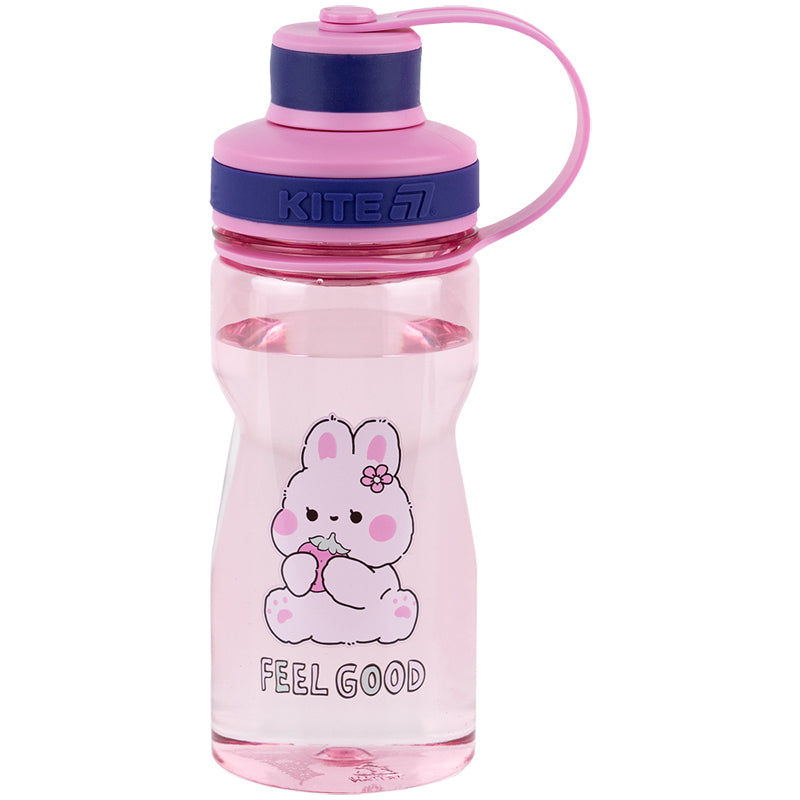

Motivation to learn is a fragile inner spark that can easily be extinguished by harsh commands but can be ignited by pleasant little things, a sense of one's own strength, and curiosity about the world. And it is important here not to turn school into a boring routine, but to make it a part of life where the child feels comfortable and confident.

1. Create an interesting, separate learning area.
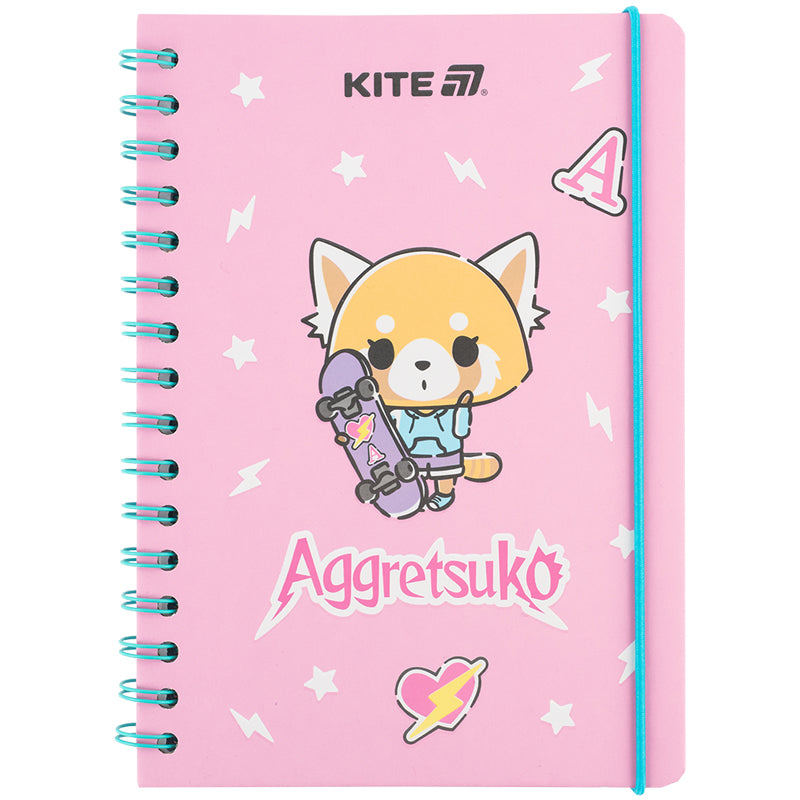
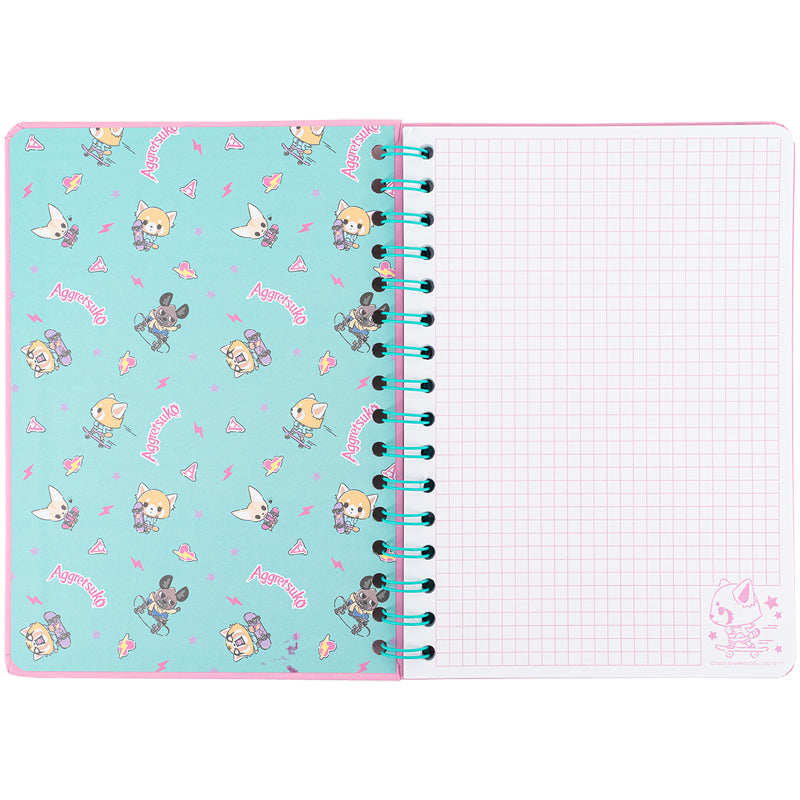
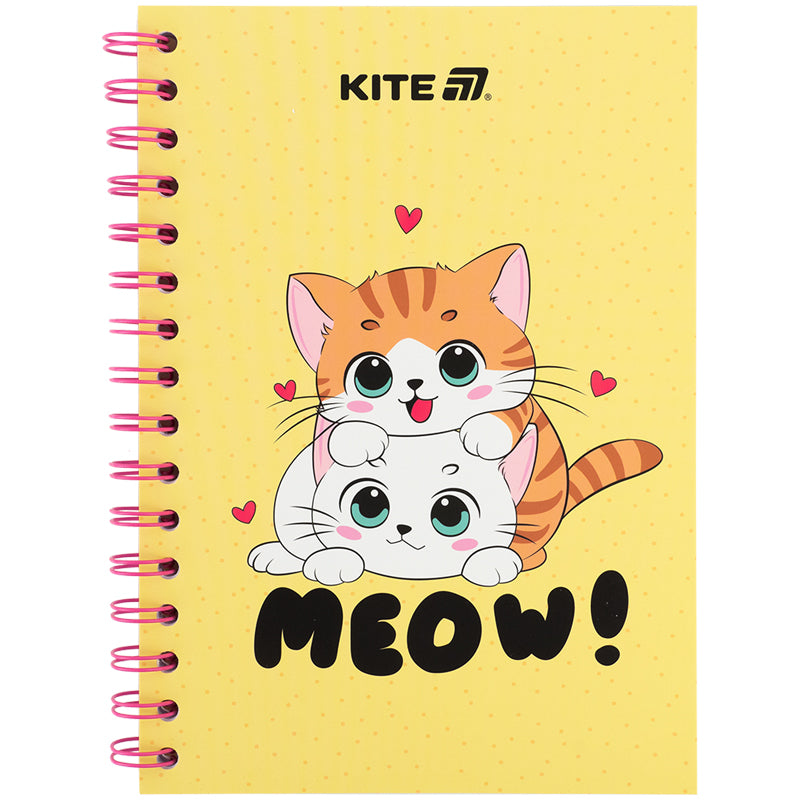
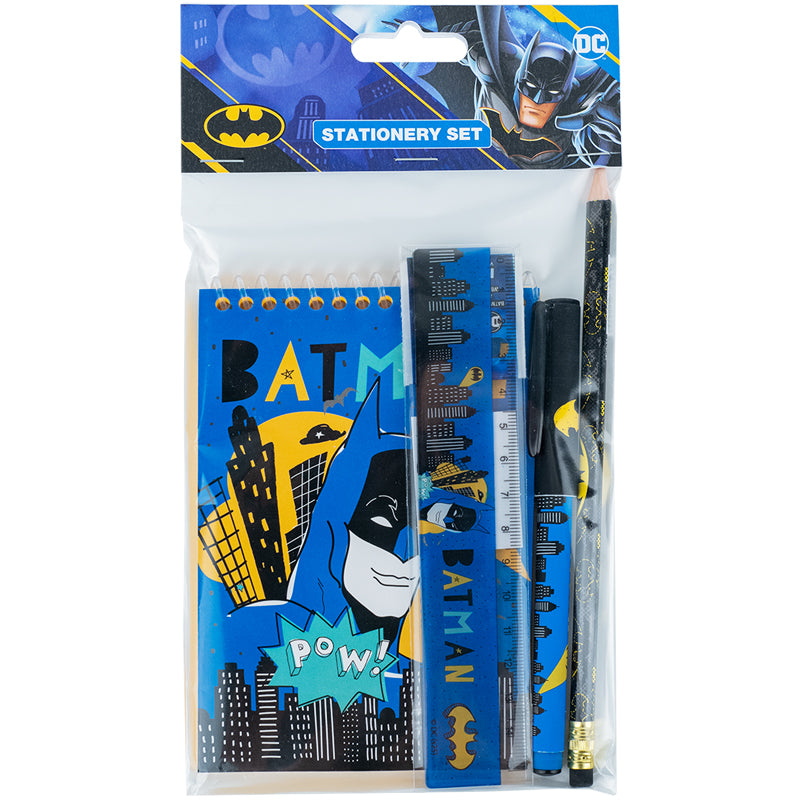
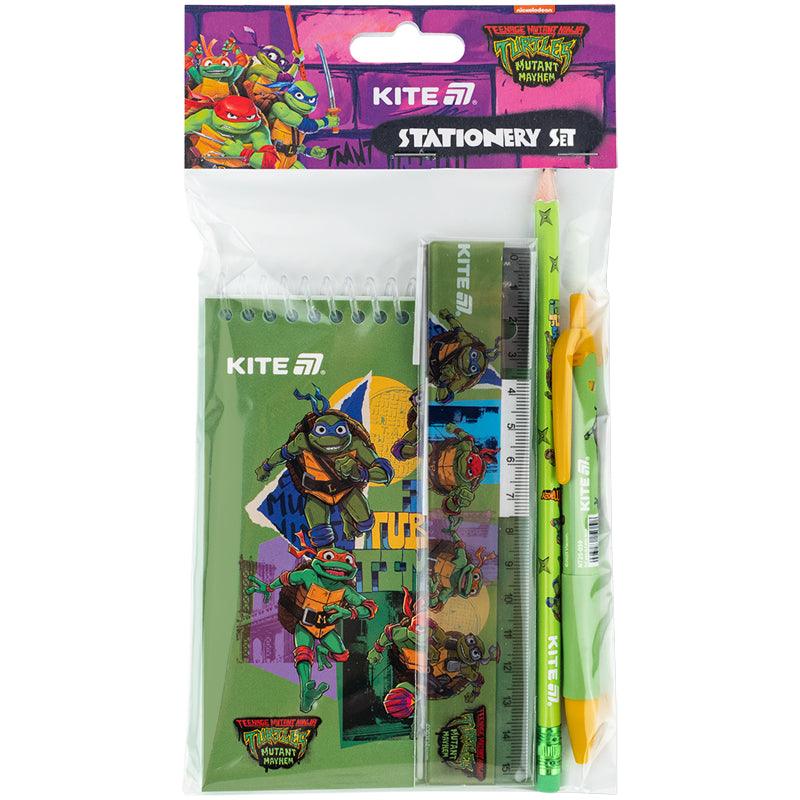
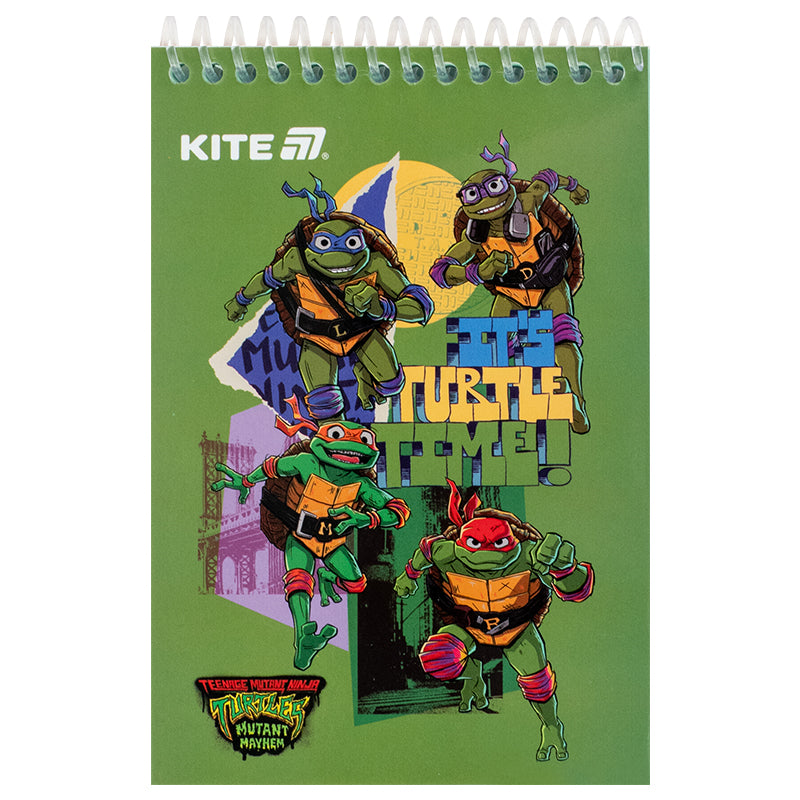
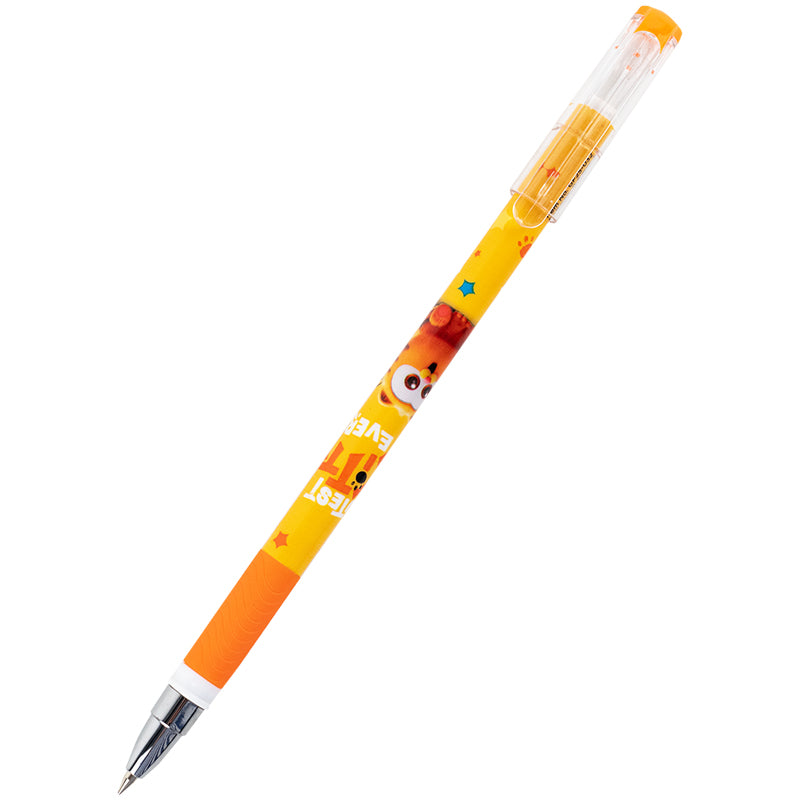
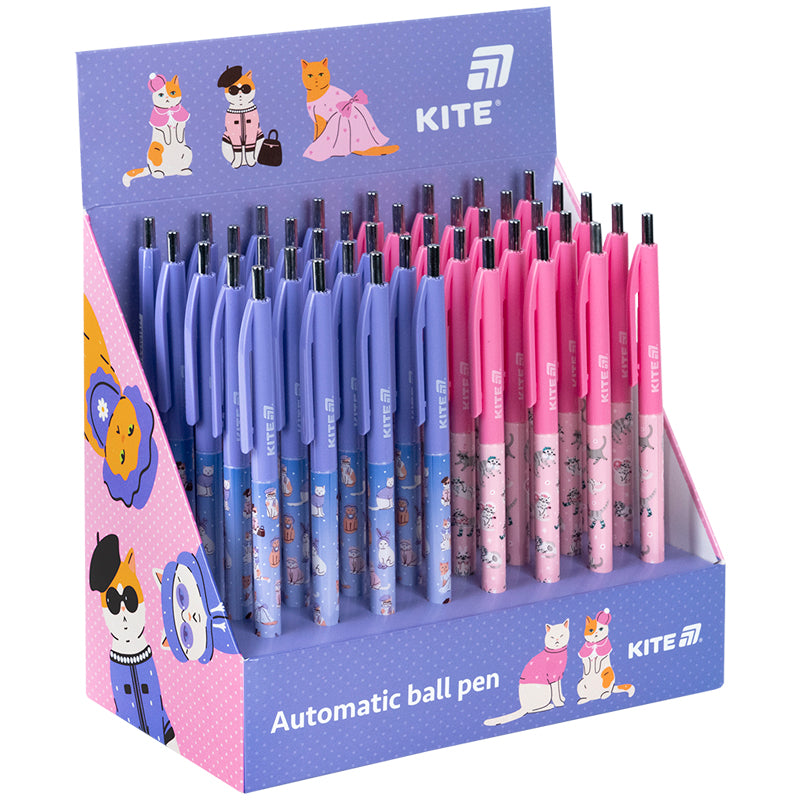
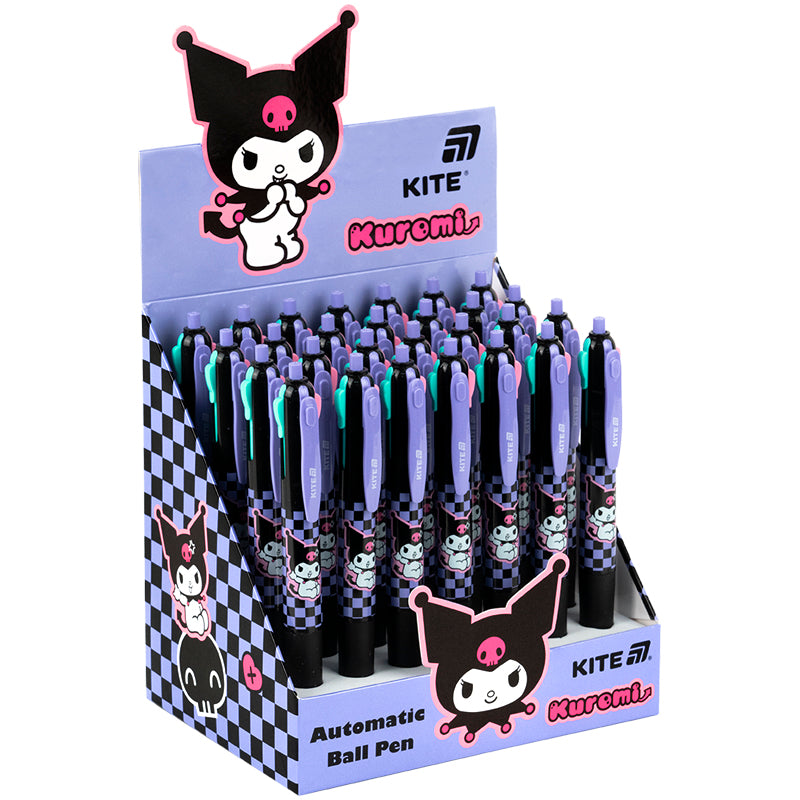
It's easier to study where there's a cozy little world of one's own: a neat desk, a comfortable chair, a desk lamp, and a spacious shelf for one's "treasures." Bright Kite stationery here acts not just as a tool but as a visual energy boost: a new pencil case with a favorite character, markers one wants to draw with, a notebook one enjoys writing in.

2. Add a "novelty effect."
A child's brain, especially a junior schooler's, reacts positively to new impressions. Instead of repeating the same "Go do your homework!" for weeks, add something fresh to the process: a new notebook for jotting down ideas, a thematic set of notebooks that prompt questions like "What is this?" and "Why so?". It's important that these novelties are not a reward "for good behavior," but a part of everyday life – then daily internal motivation arises.

3. Take care of energy.
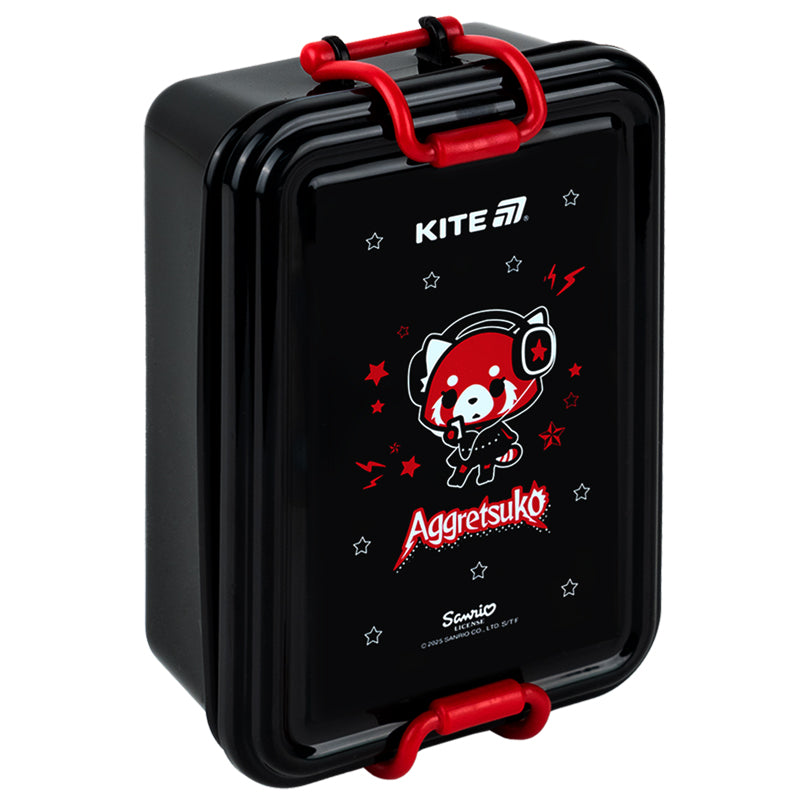
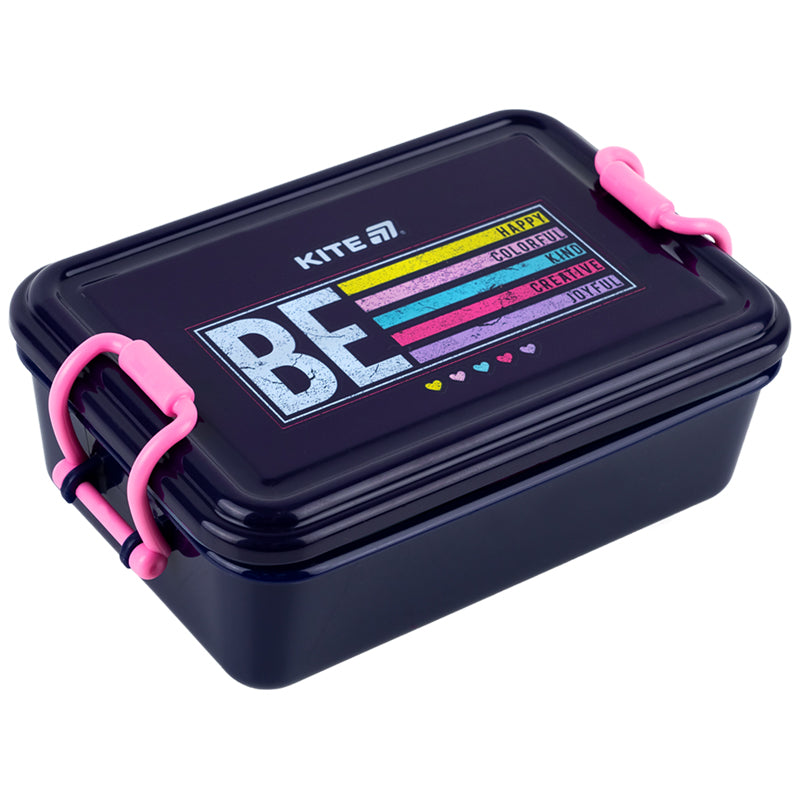
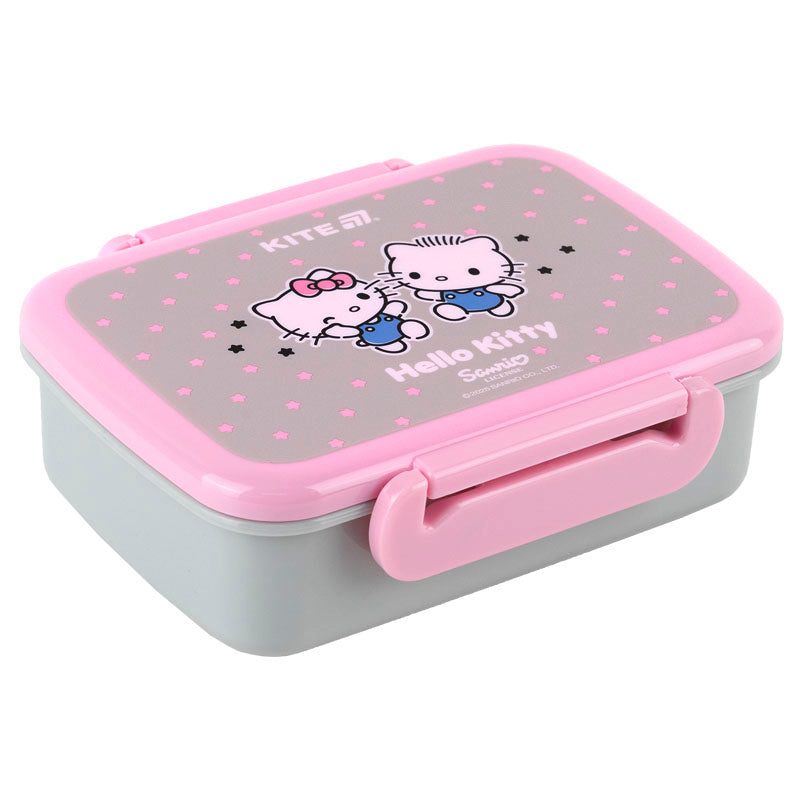
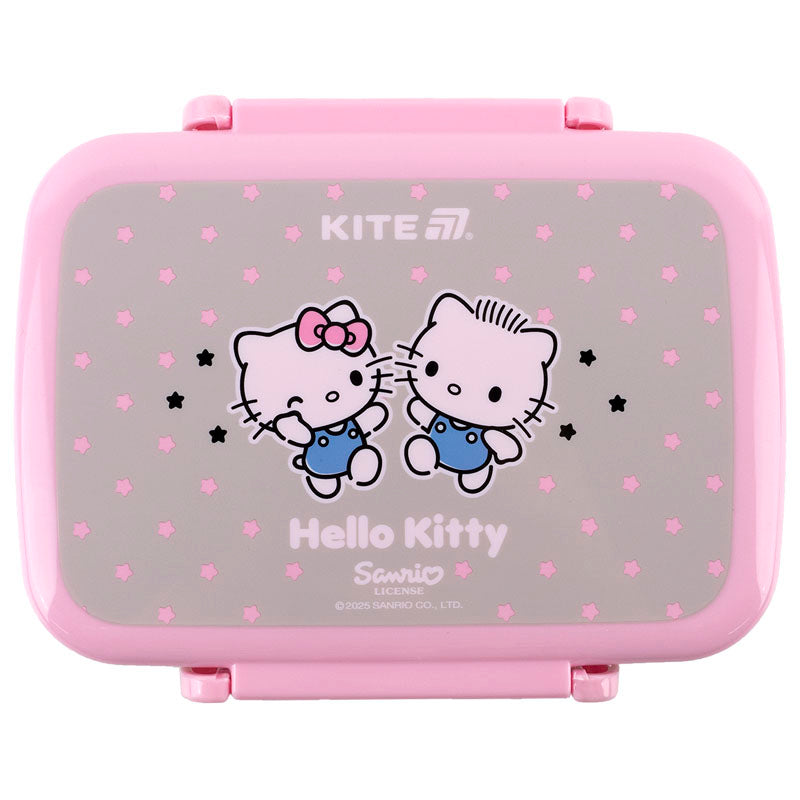
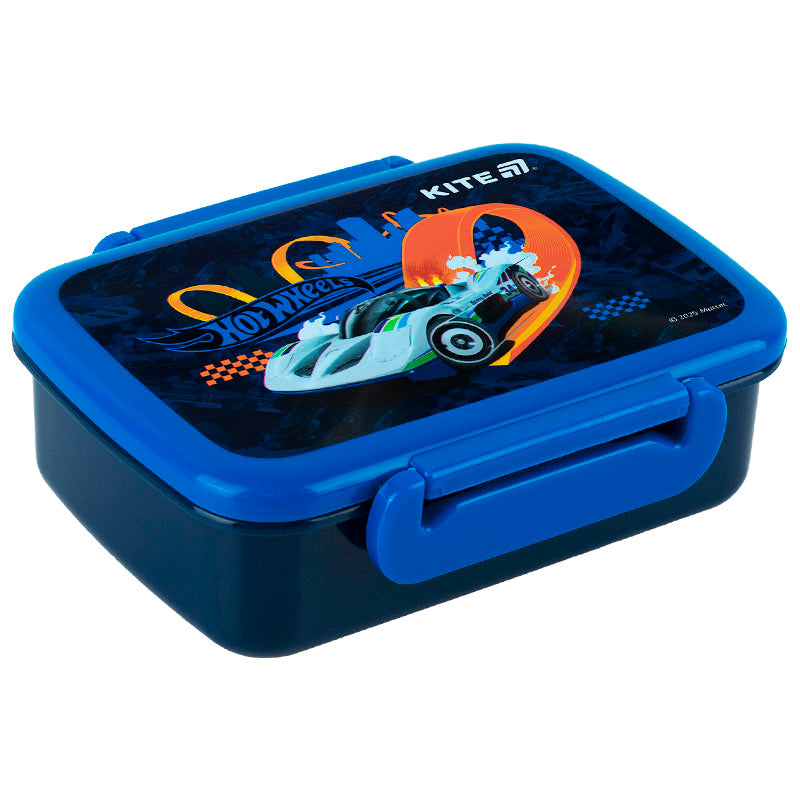
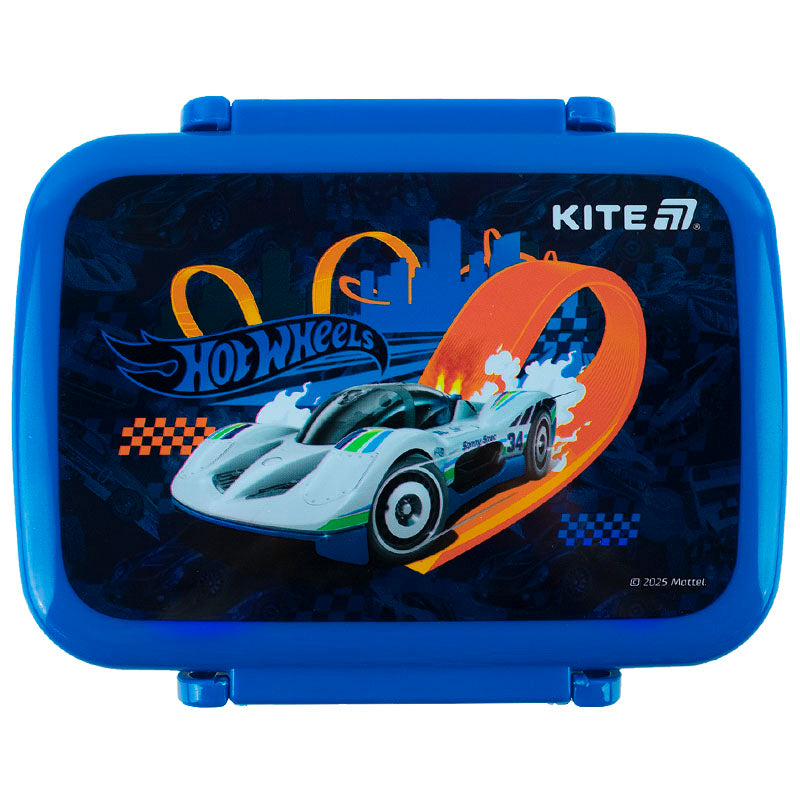
A hungry school child is a child with zero patience. Here, Kite lunchboxes come in handy: they create a feeling of care when the child opens them during a break and finds a favorite snack. Balanced nutrition affects energy levels and, consequently, the ability to concentrate on lessons.

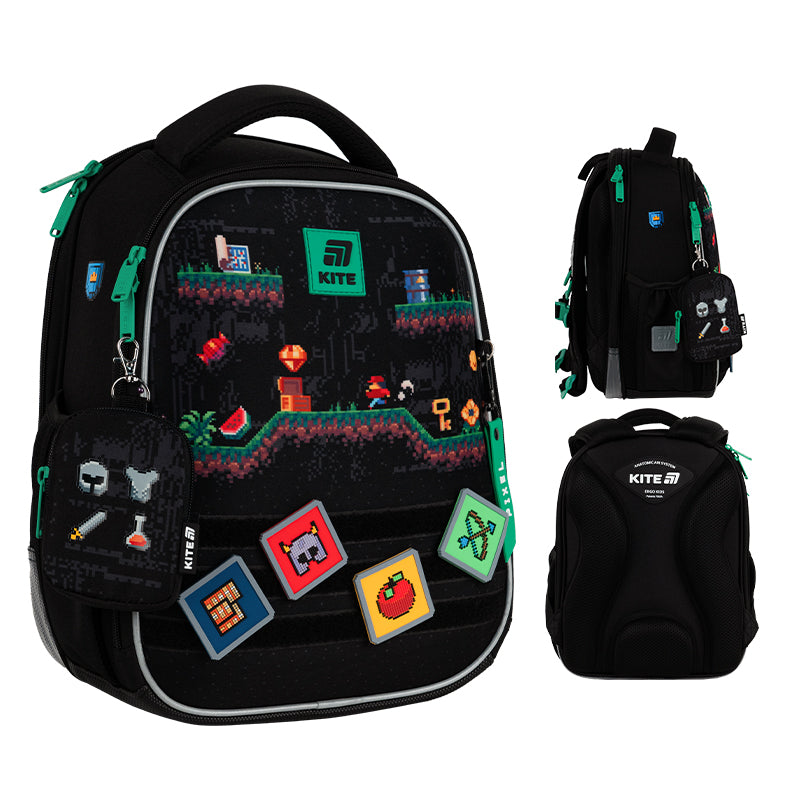
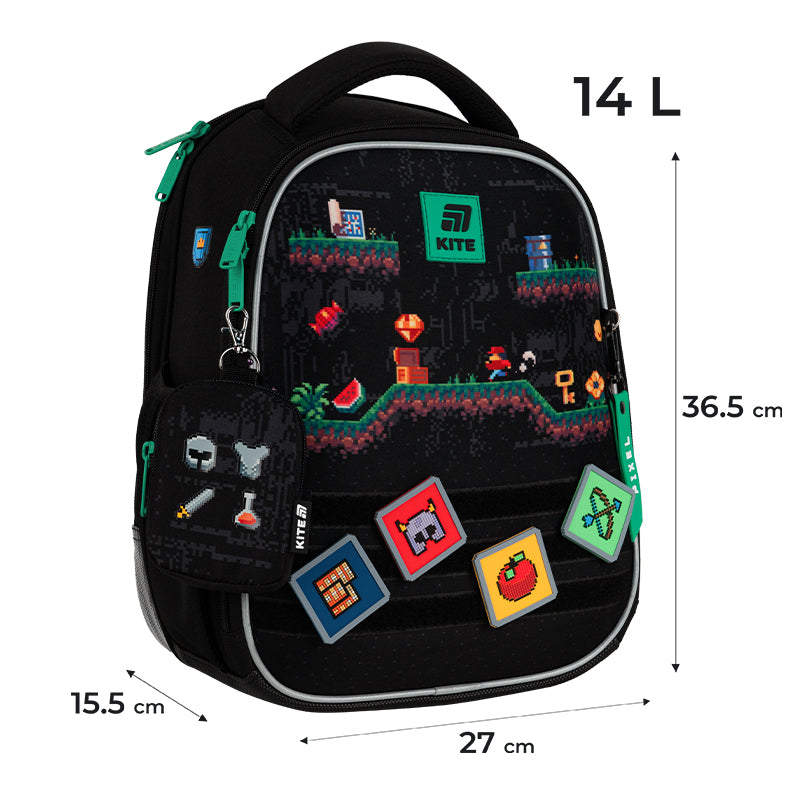
4. Turn the backpack into a mobile learning base.
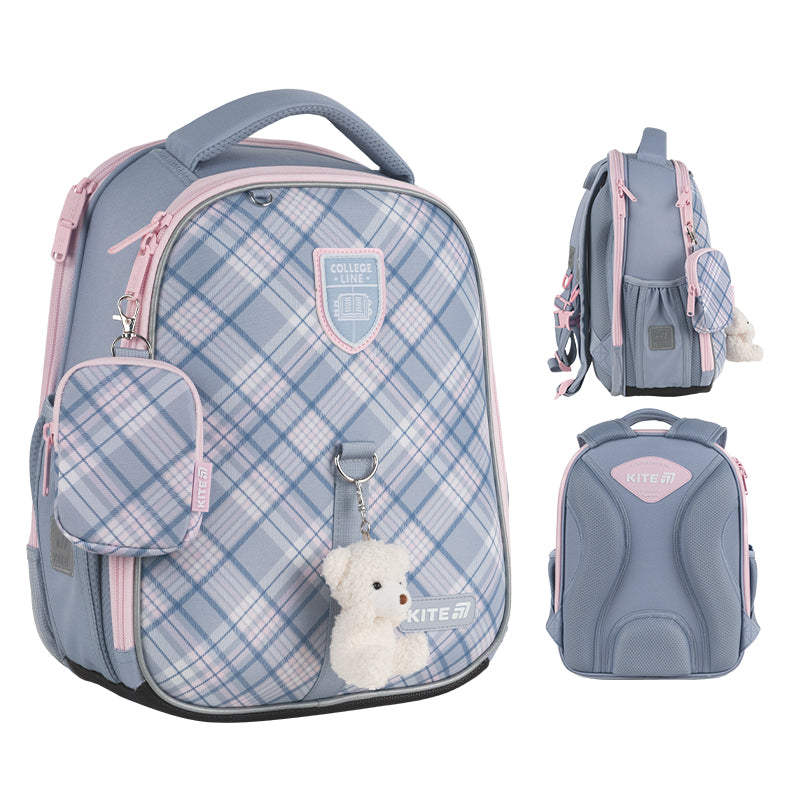
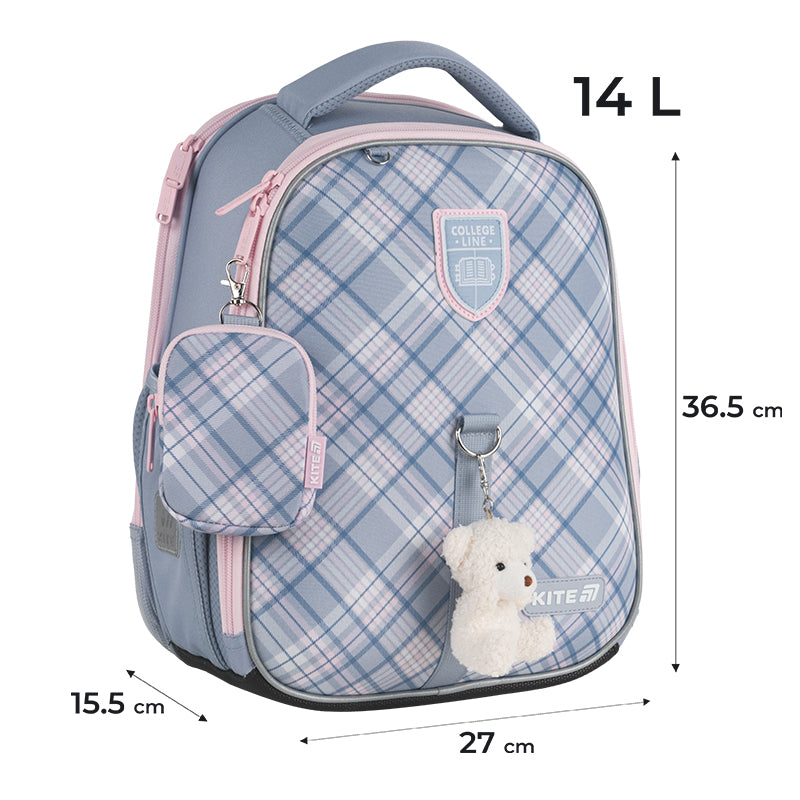
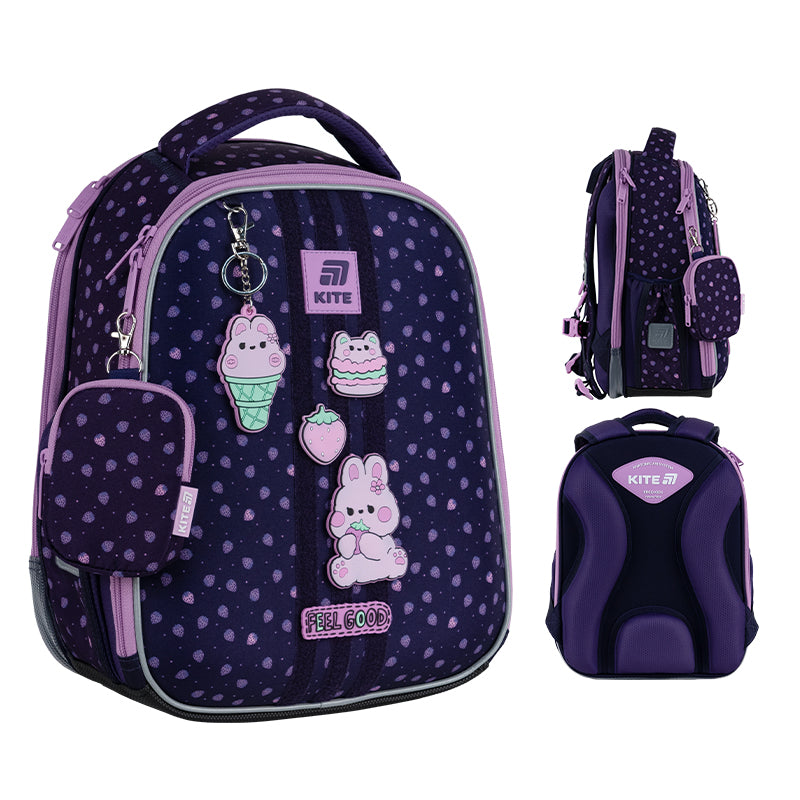
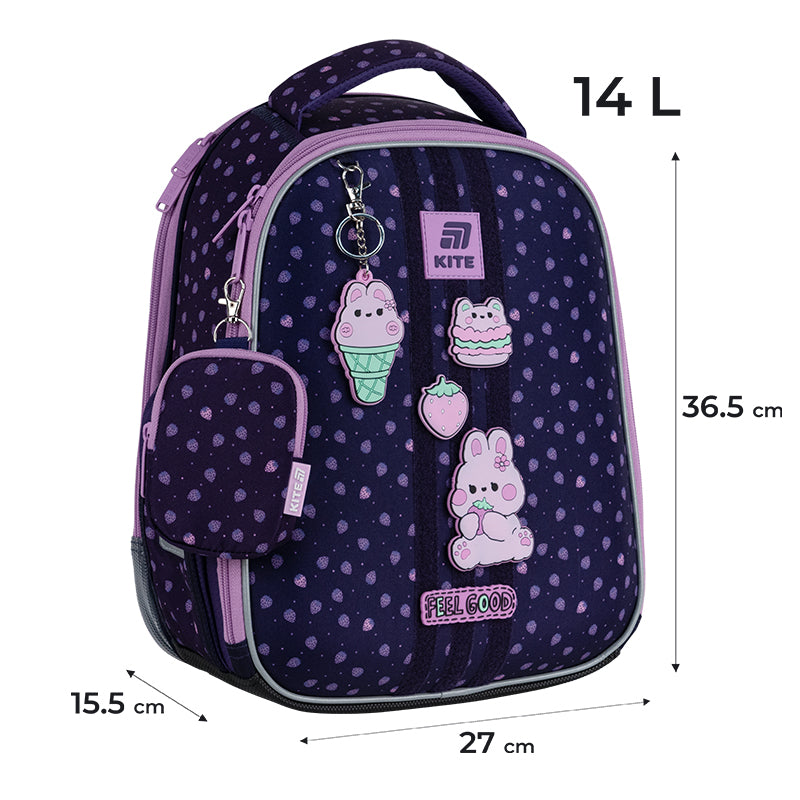
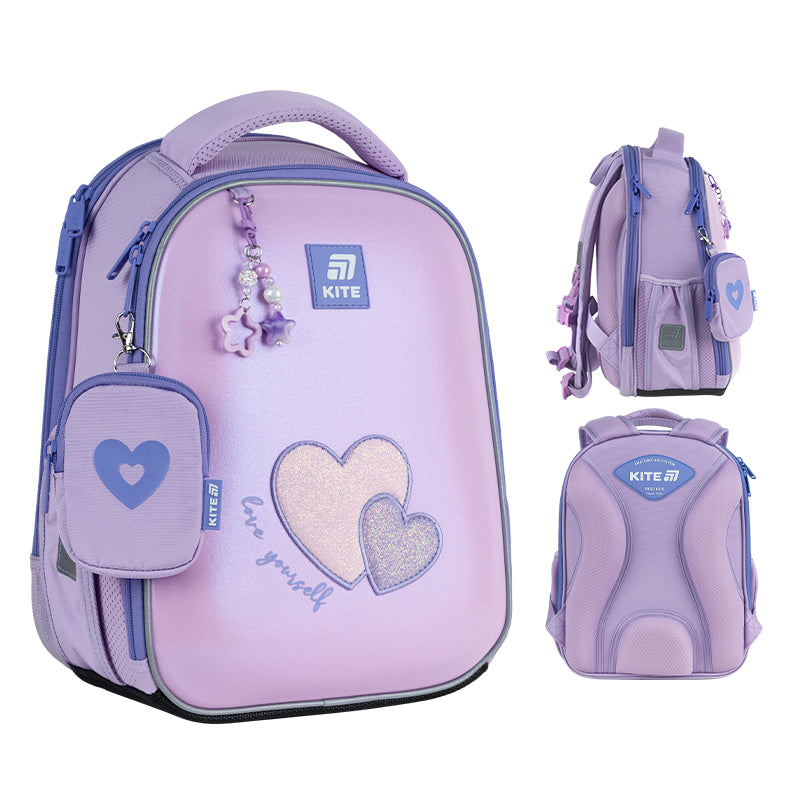
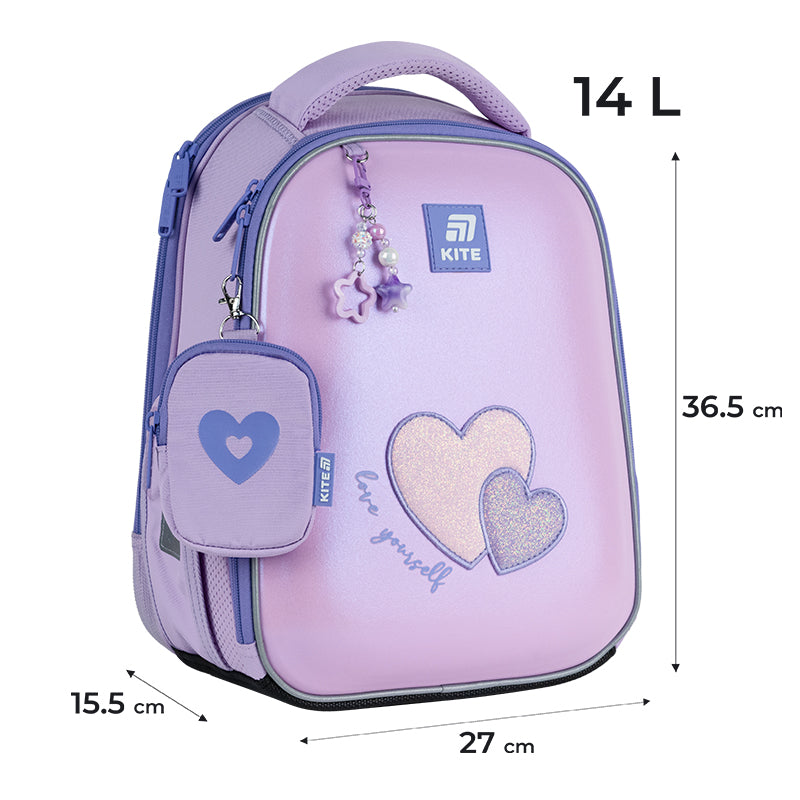
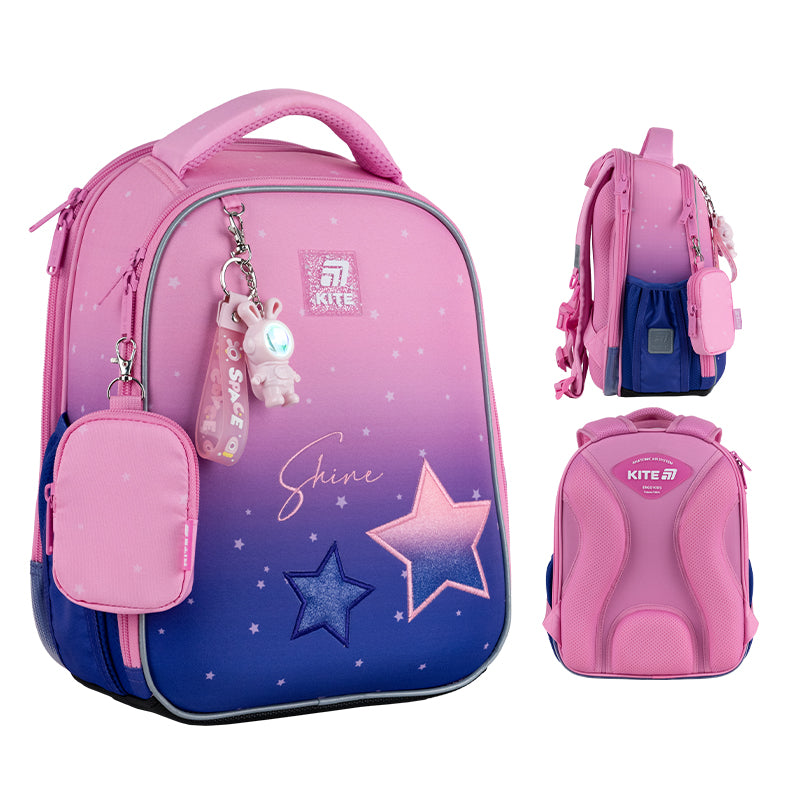
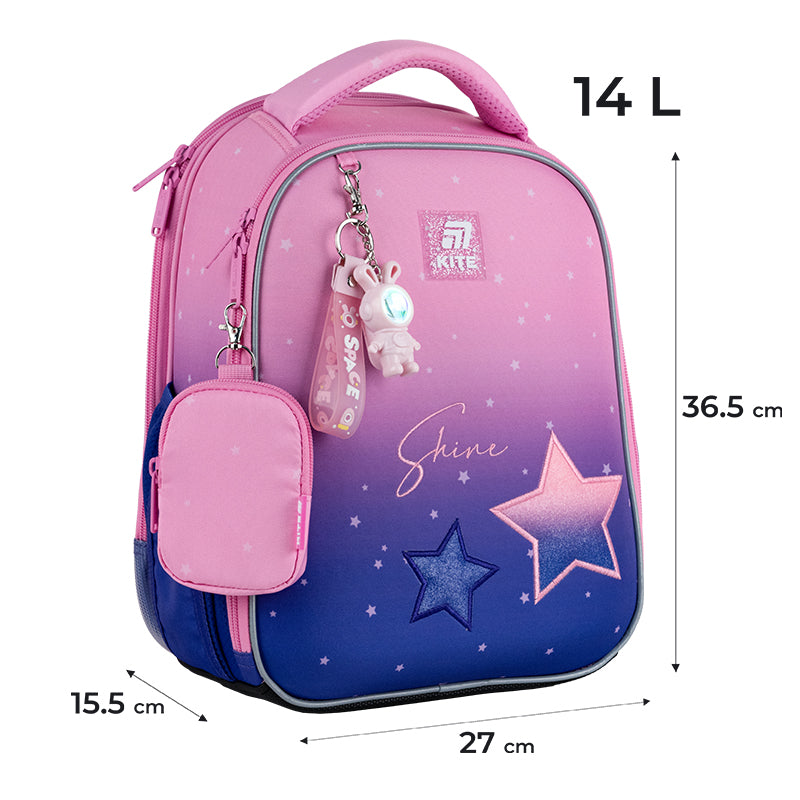
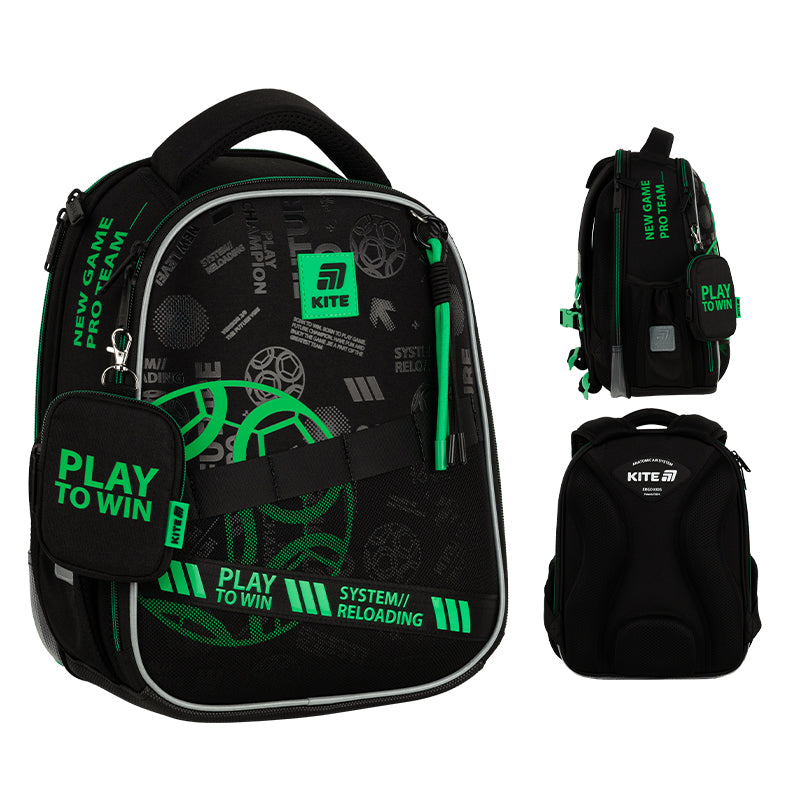
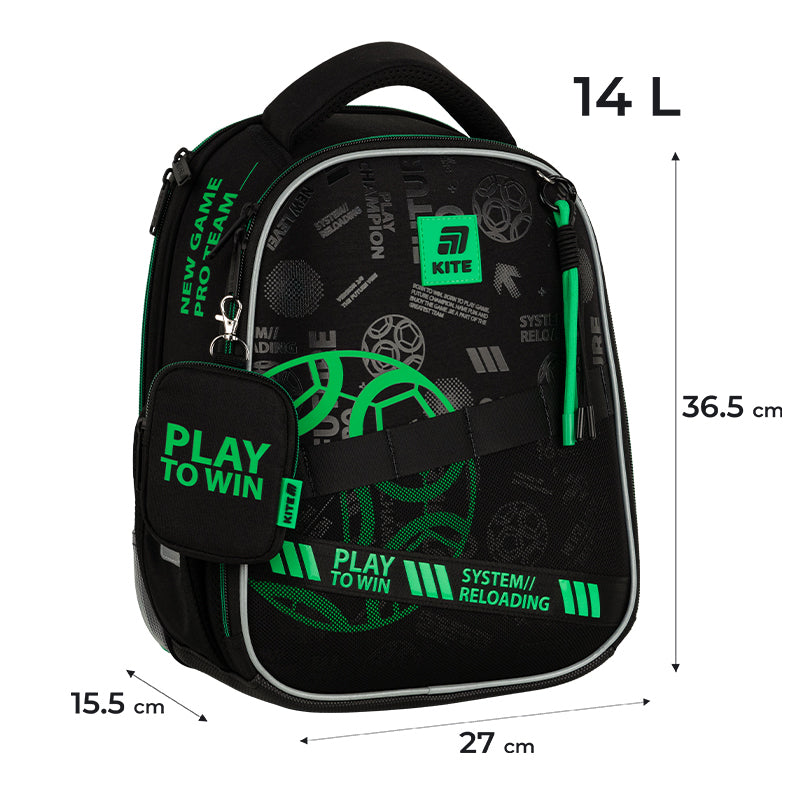
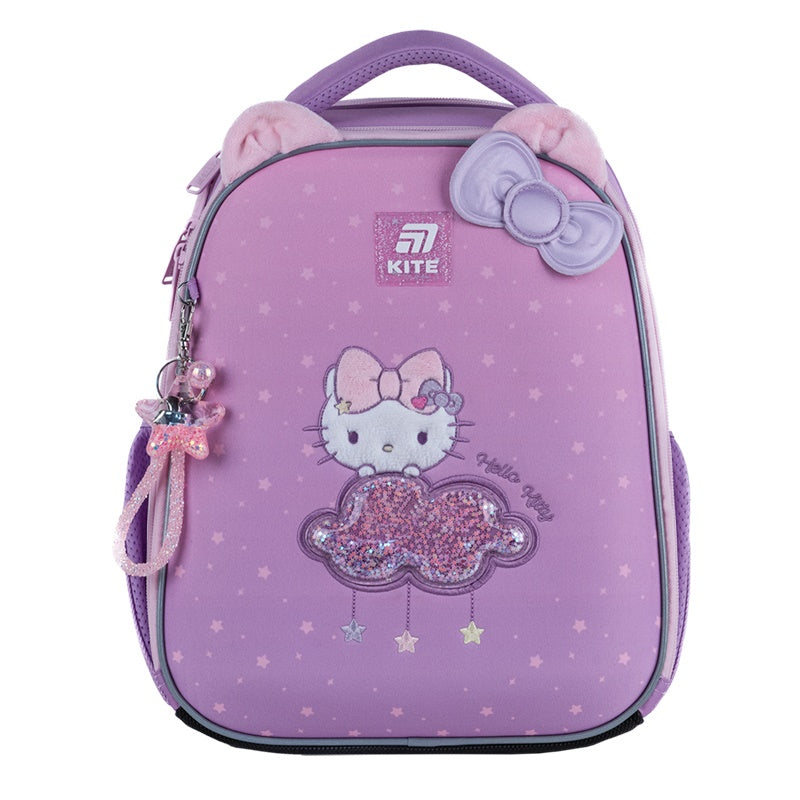
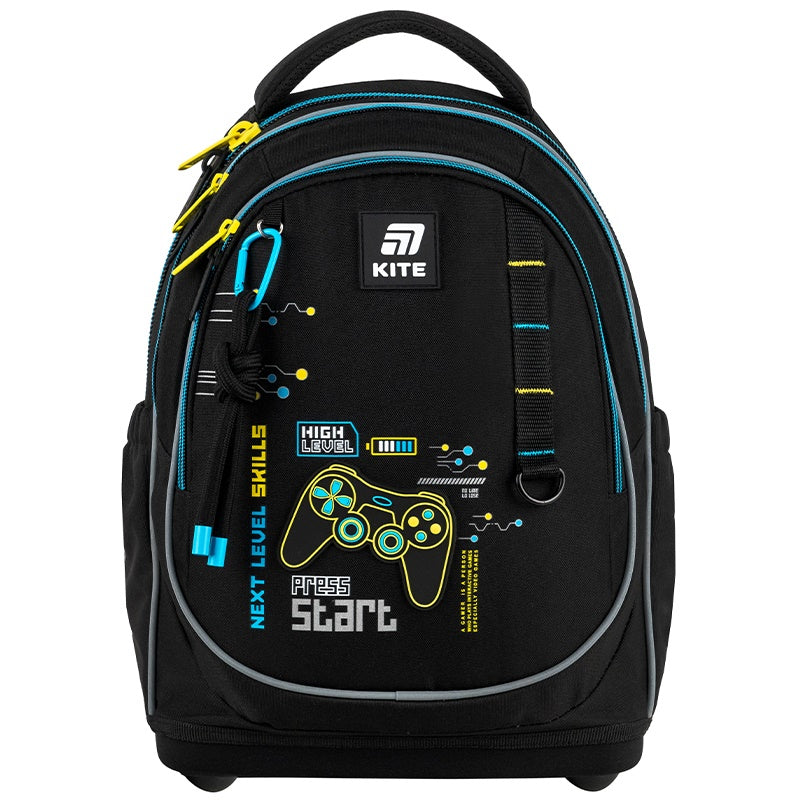
When textbooks and notebooks are neatly placed in well-designed compartments, and the backpack sits on the back so that it's barely noticeable, the student has more energy for learning, not for struggling with discomfort.

5. Make learning a child's personal matter.
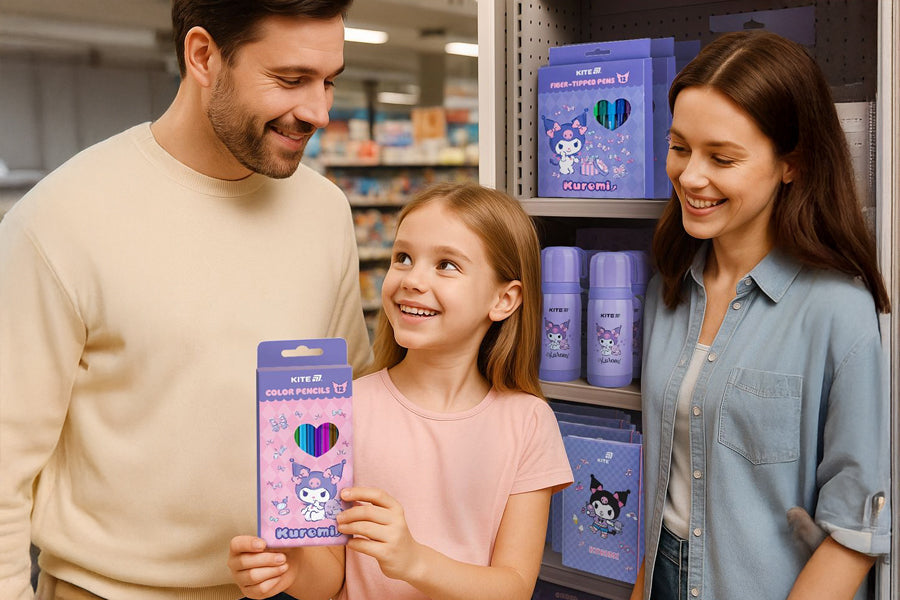
If you want your child to learn not "because they have to," but "because it's mine," allow them to choose. Even small things: what the diary will look like, the colors of notebooks, the pen design. Give space for their own decisions – this way, the student develops a sense that learning belongs to them, and not just to adults.

6. Don't forget about "small victories."
The path to knowledge is long, and if you only wait for great achievements, motivation will quickly run out. Celebrate small successes: a completed complex drawing, a correctly solved problem, a self-made project. You can even start a "victory box" – a box where the child collects any small symbols of their achievements. Or mark them with stickers on a wall planner or calendar.

7. And most importantly – don't turn school into the center of the universe.
The more we press, the more the child desires to escape control. Let school be important, but not the only part of life. Then motivation will not burn out from overload and constant expectations.

Because the secret to motivation is simple: when a child has strength, comfort, and a feeling of being respected, they naturally gravitate towards knowledge. And we, adults, can only add bright colors, convenient tools, and a warm attitude to this.