

How much we want our child to grow up confident and successful. To be able to take care of themselves, define their goals, organize their daily life. And the path to this goal consists of many small steps. Perhaps something doesn't work out the first time, and something doesn't always work out even on the tenth. But it is from the first independent steps that a child begins to believe they are capable of coping. And parents carefully learn to gradually let go and trust.
Why bother with this marathon at all? Because independence is not a sign of a "convenient child" who dresses themselves or packs their backpack. It is the foundation for all other skills. Without it, no system works. Independence is not limited to daily life. It manifests itself in choosing friends, resolving conflicts, being able to organize one's day, or defending one's own idea.
If a child gradually masters simple actions without prompting – putting away their things, choosing what to take with them, deciding where to start homework – they learn not only to perform tasks but also to think, plan, and take responsibility for their decisions. And from this foundation grows confidence, flexibility, responsibility, and initiative. Therefore, every small step towards independence is an investment in the child's future in all areas of their life.
Independence begins long before school
A child's desire for independence appears very early, even before school. We just often... hinder it ourselves. A two-year-old reaches to pour water for themselves – we take away the glass. A three-year-old wants to put on their shoes themselves – "let me do it, we're late." A five-year-old is taking too long to zip up their jacket? Same scenario.
And here's an important point: a child doesn't learn to be independent when parents constantly do everything for them. They learn when they are allowed to try – even clumsily, slowly, and with mistakes.
Tasks for the little one should be manageable, but slightly more challenging than yesterday. The main thing is not to rush or scold for mistakes. A child is not a sorting robot, but a person with their own pace.
The first steps are everyday tasks: pouring water from a small pitcher; folding their socks (not perfectly, but independently); putting away toys, even if "their own way" and not "as mom said."
Life hack: if you find it hard not to intervene – give yourself an internal timer for 2 minutes. Just observe. Often, in these two minutes, the child does more than we expected.
How not to overdo it: independence doesn't mean "figure it out yourself"
There's a temptation to foresee everything in advance: give an extra jacket, suggest the way, add a little water... But independence is not when mom guesses all needs, but when the child learns to recognize their own.
And there's a fine line here. Independence will not grow in emotional coldness.
Phrases like "Well, think for yourself," "You're big enough now," "I told you so" – don't teach, they scare. The child is left alone with a difficult task and the fear of making a mistake.
Something else works much better: "I'm here if you need me," "Try it, and I'll watch,"
"You can do it yourself, and if it doesn't work out – I'll help."
This is that safe base: the child dares to act because they know they won't be abandoned if they fail.
Everyday "steps" to freedom
Daily trifles are the best school of independence. And absolutely – without moralizing, commenting, or rolling eyes.
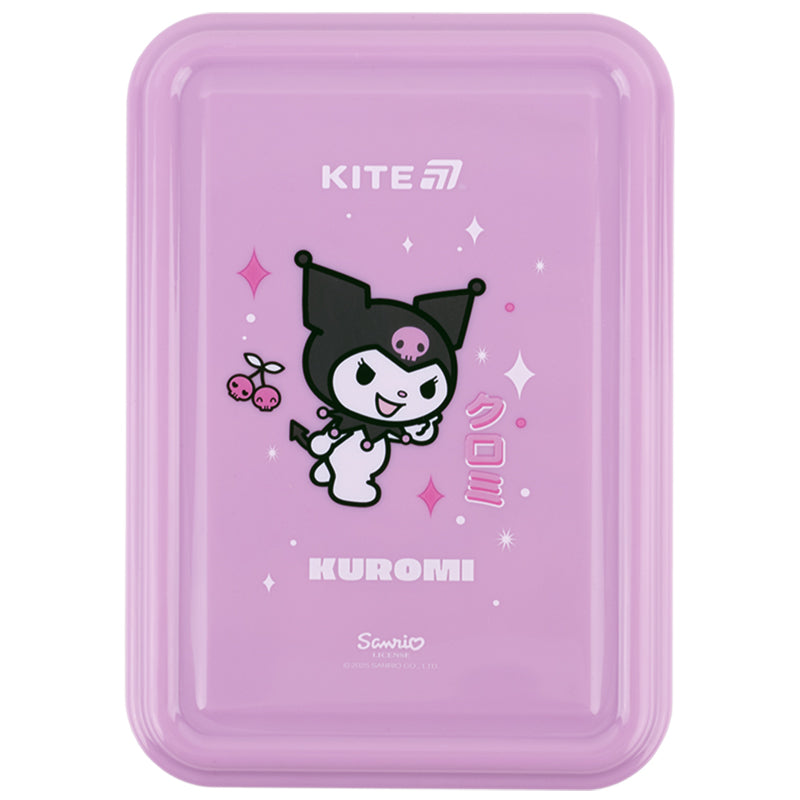
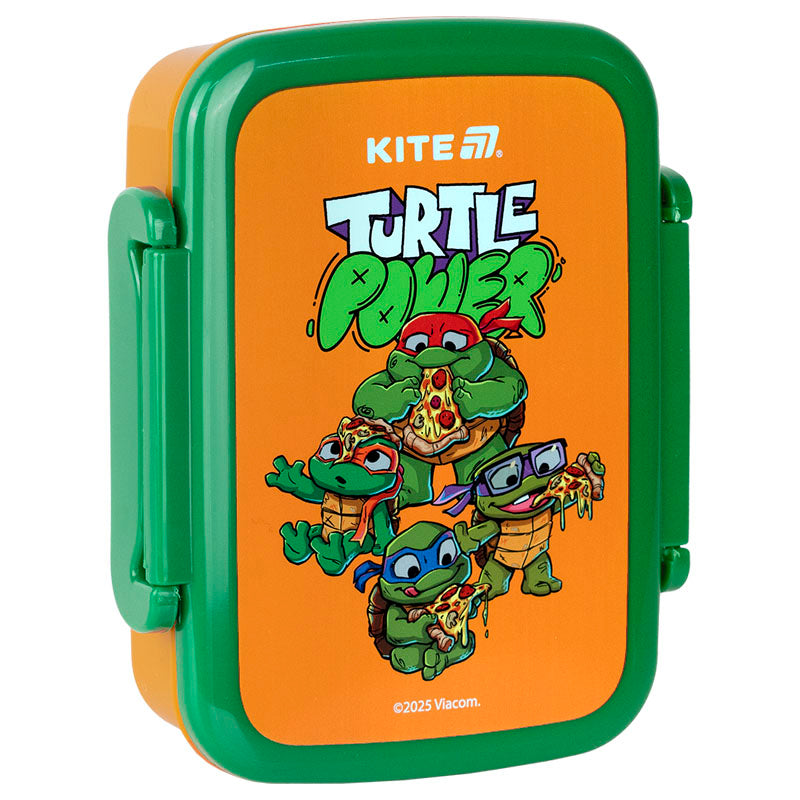
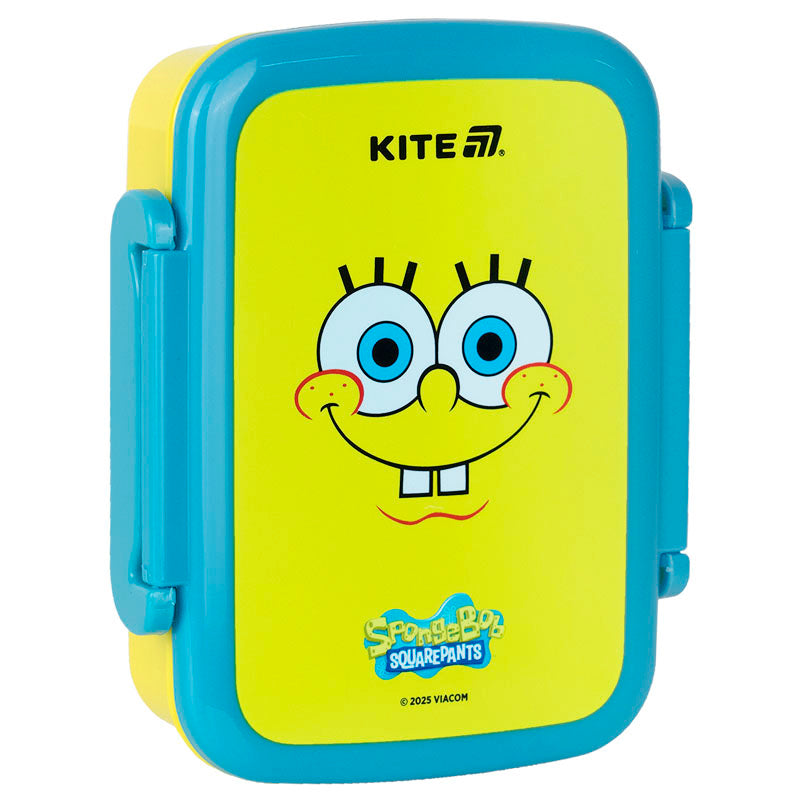
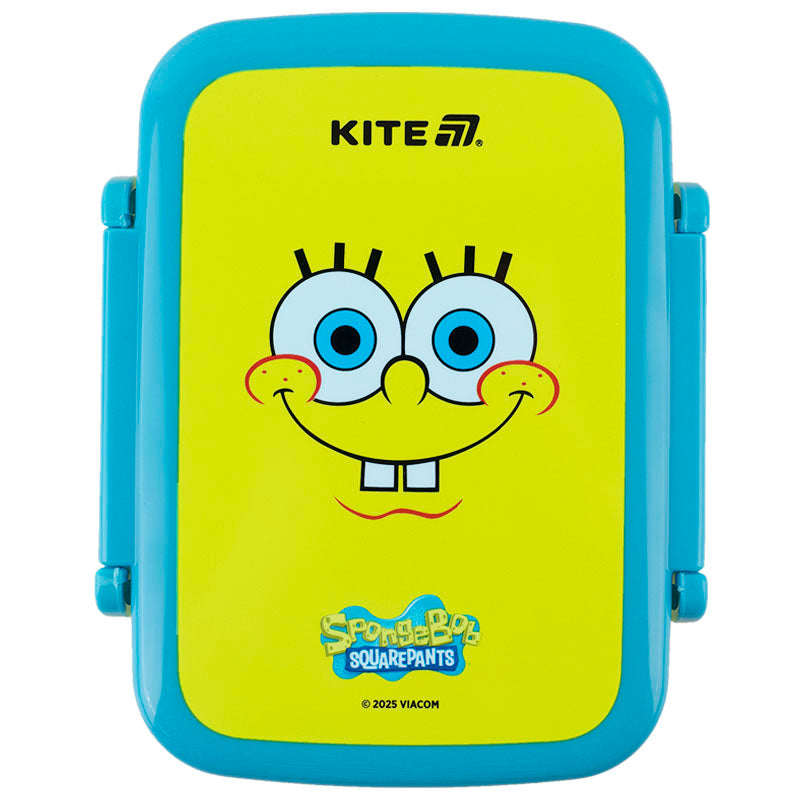
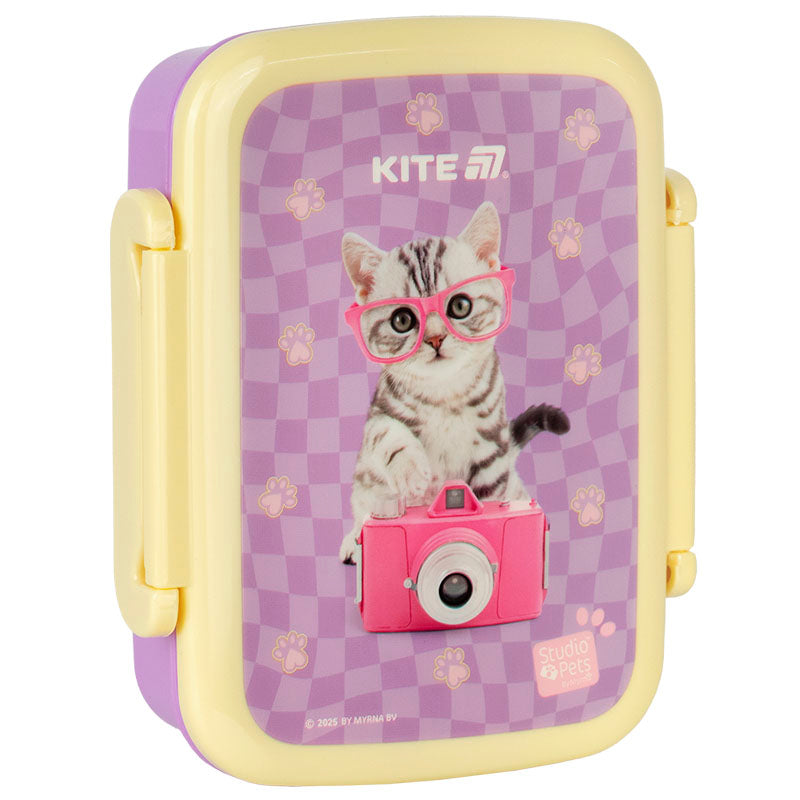
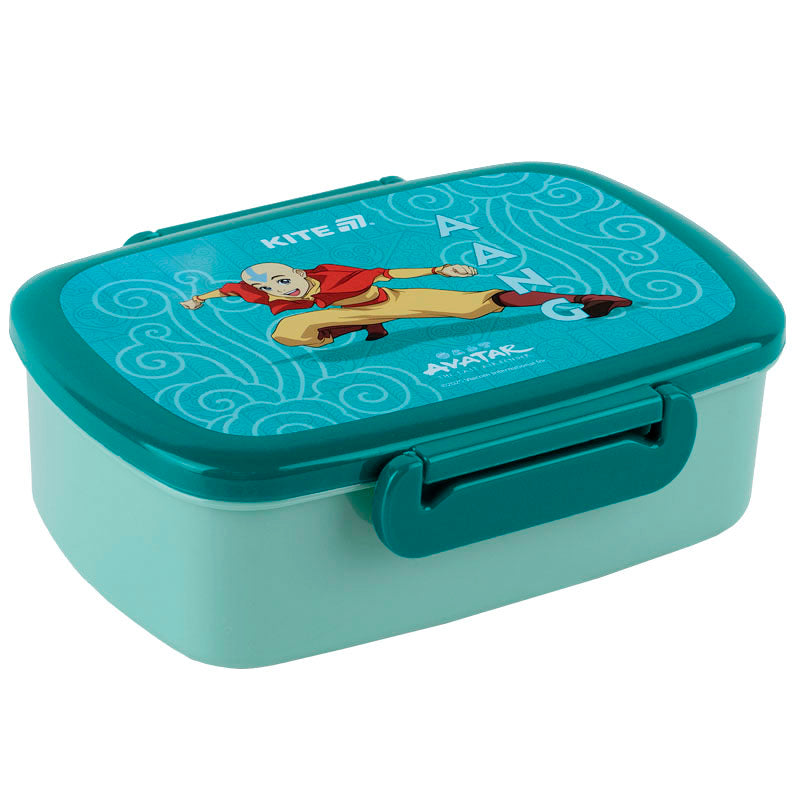
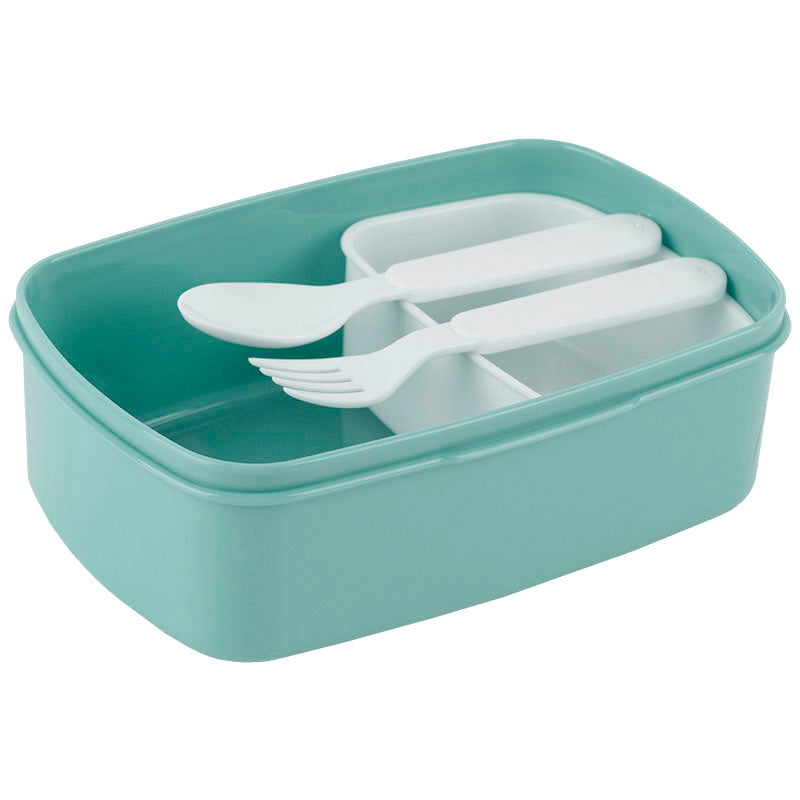
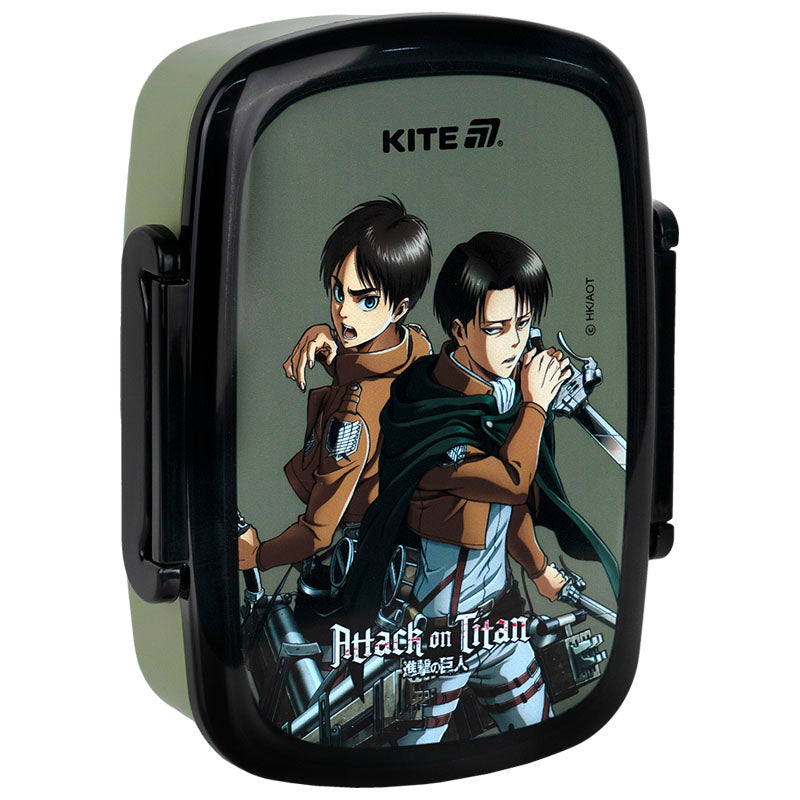
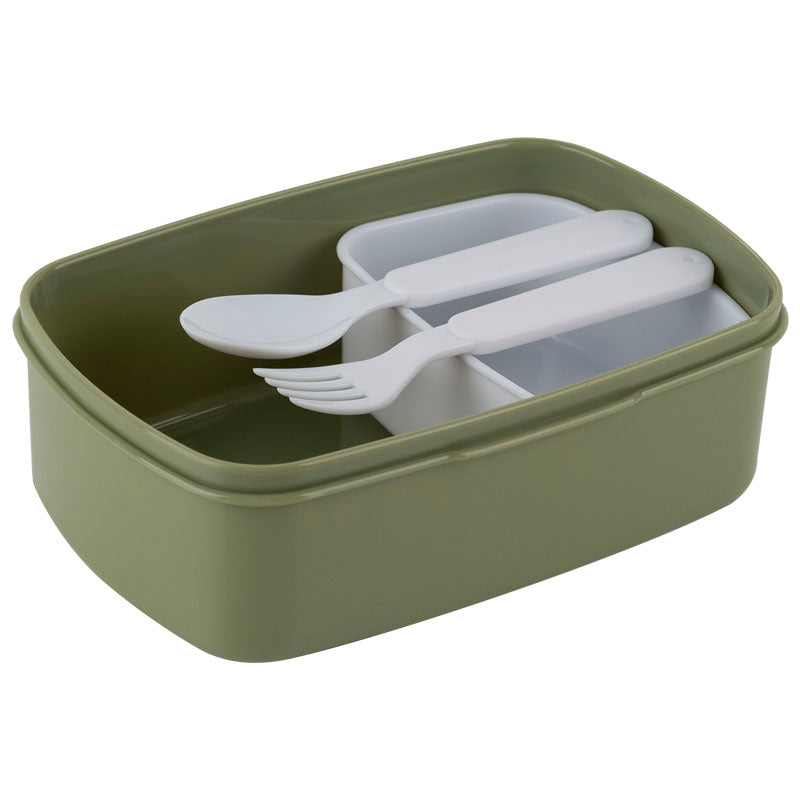
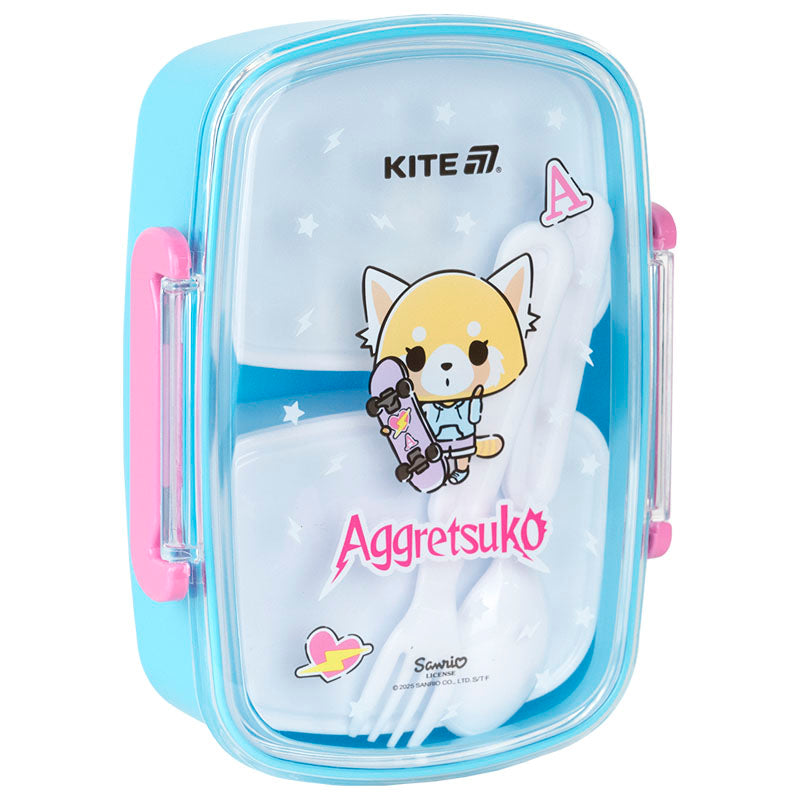
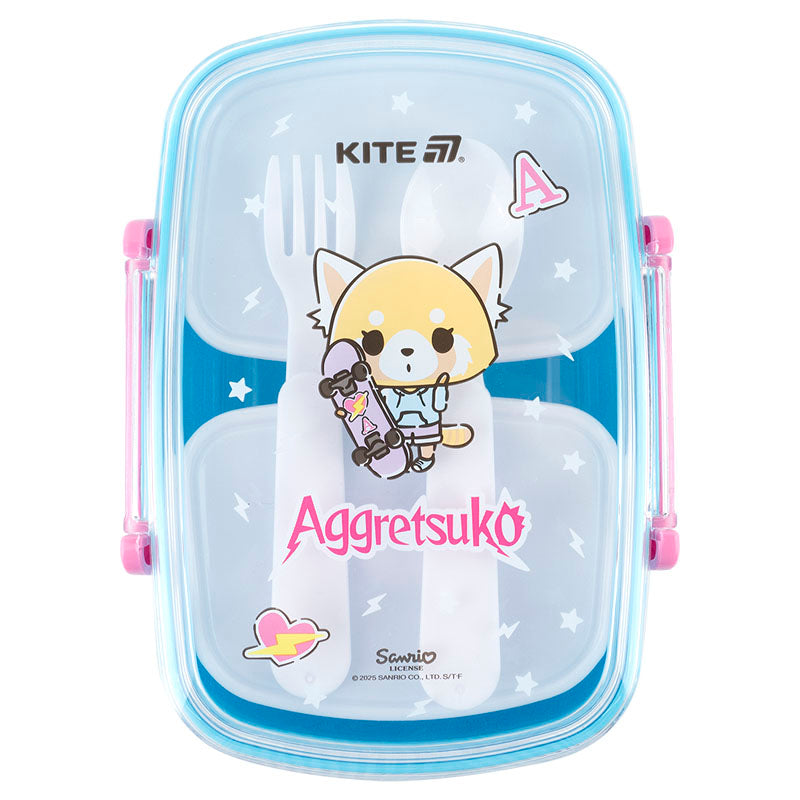
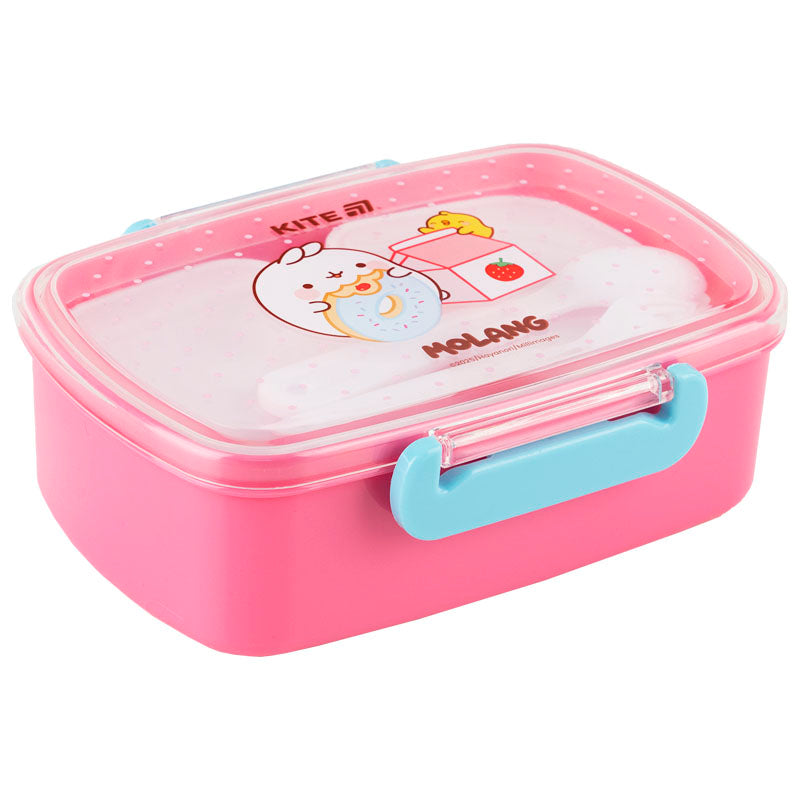
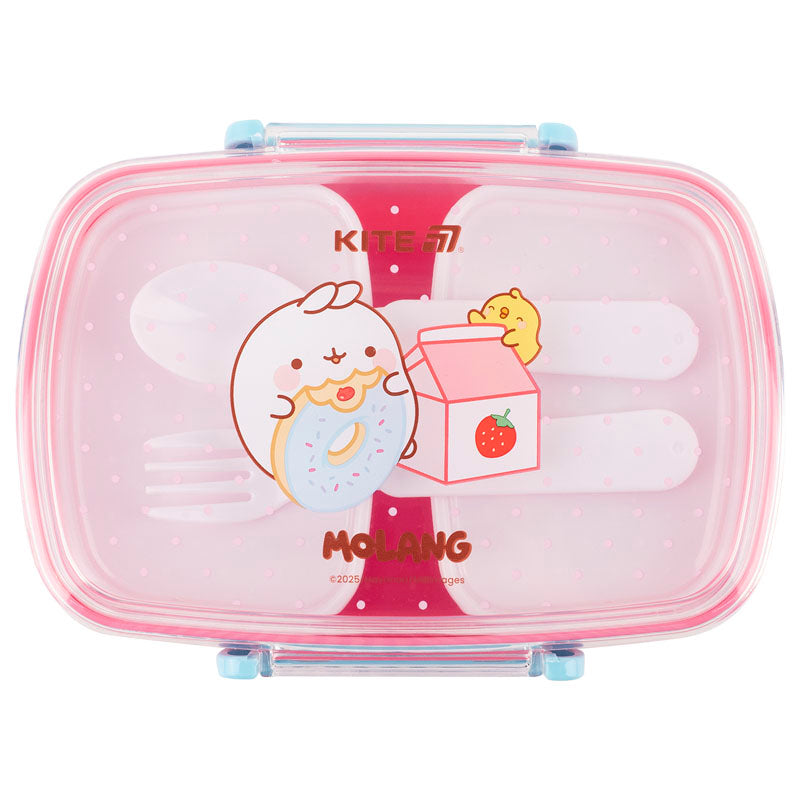
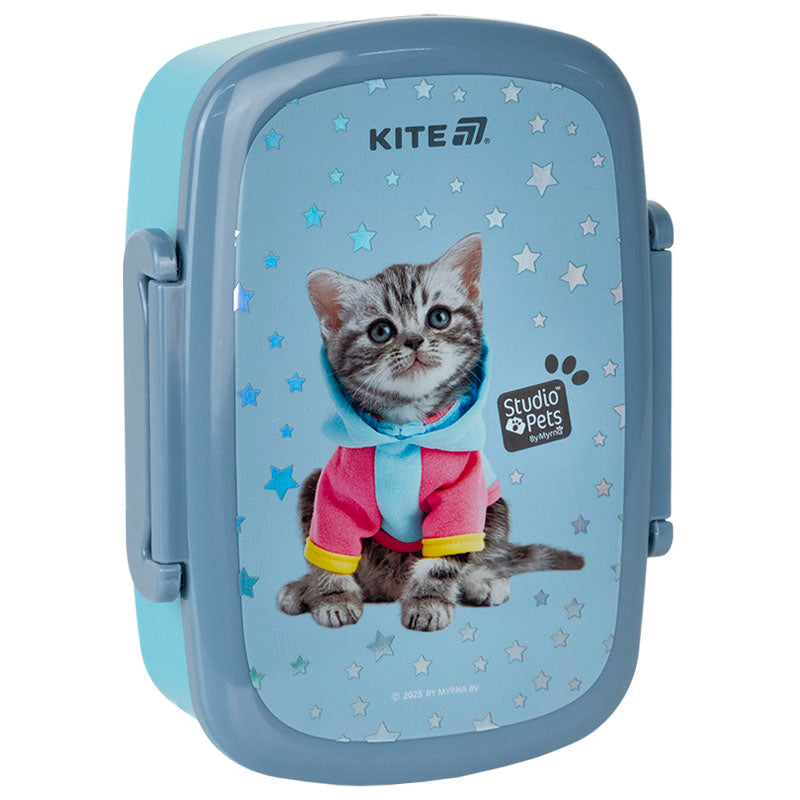
You can introduce daily family rituals: preparing clothes for tomorrow together, choosing a toy for a walk, packing a lunchbox (even if it's just an apple and cookies). Gradually add tasks: putting a hat in the closet, watering flowers, putting a puzzle back in its place.

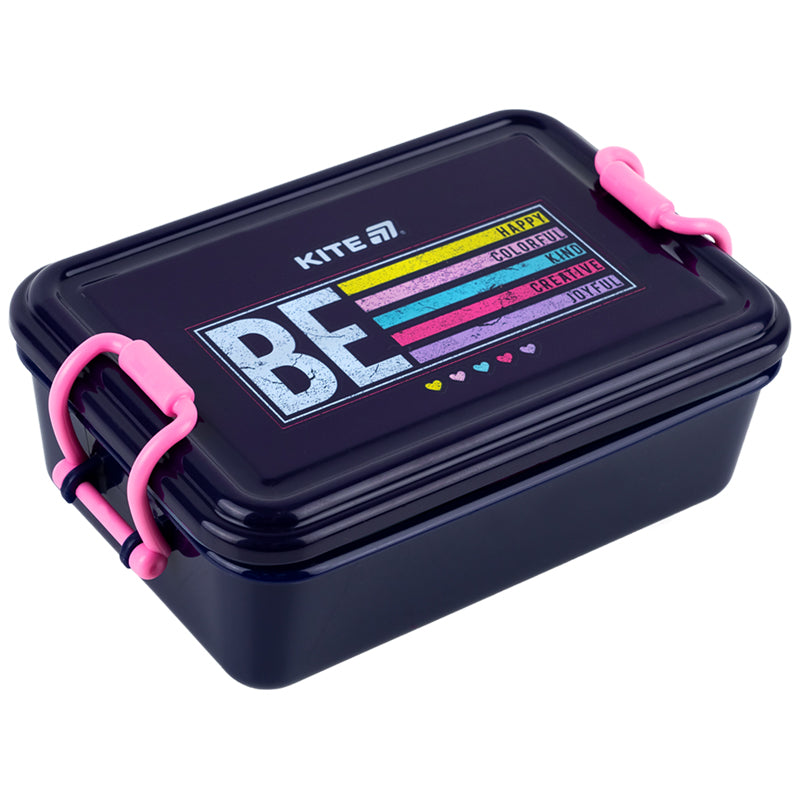
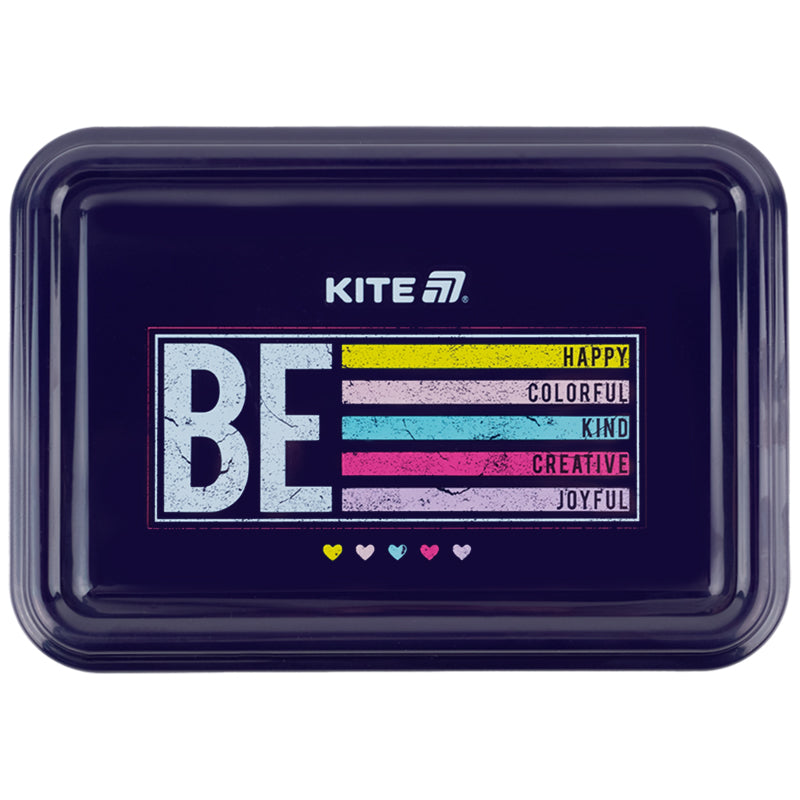
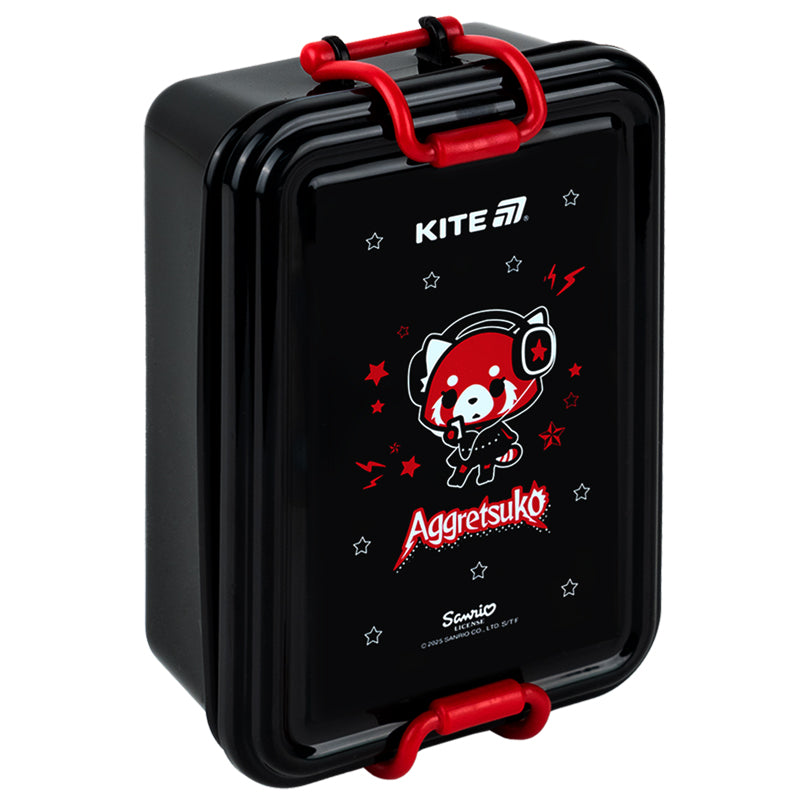
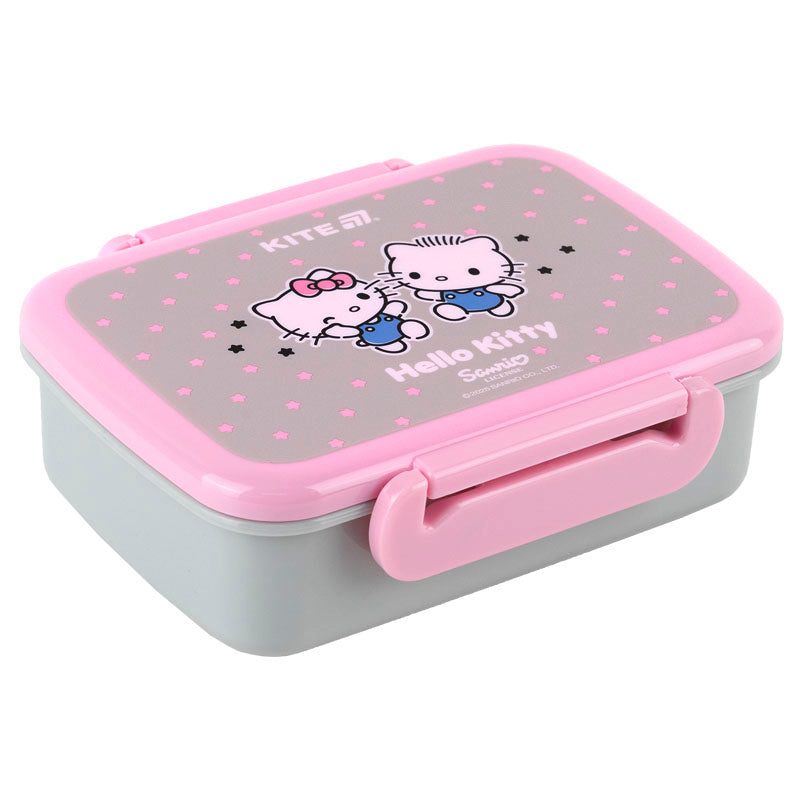
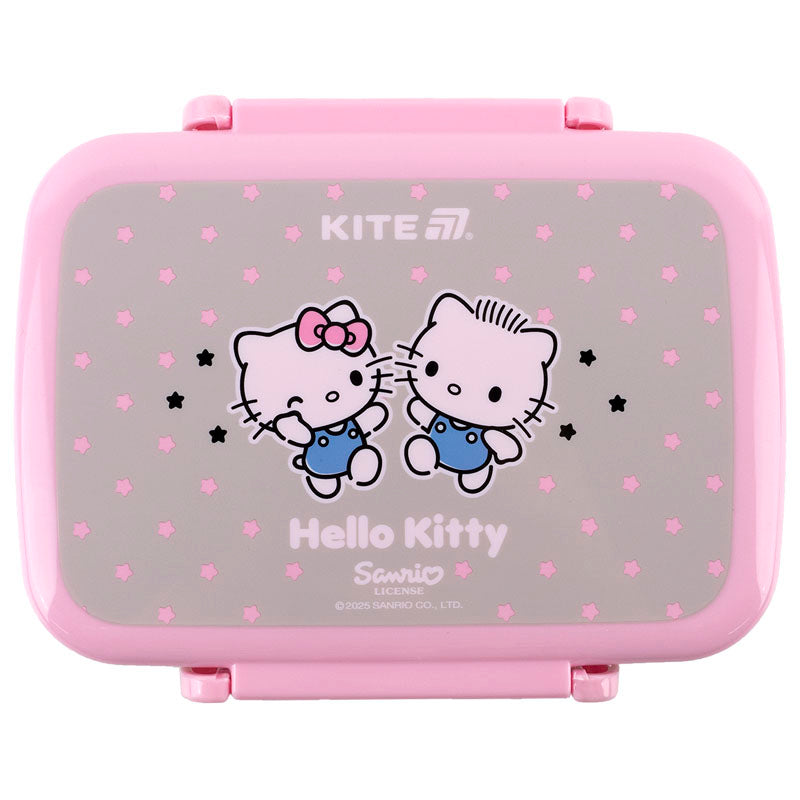
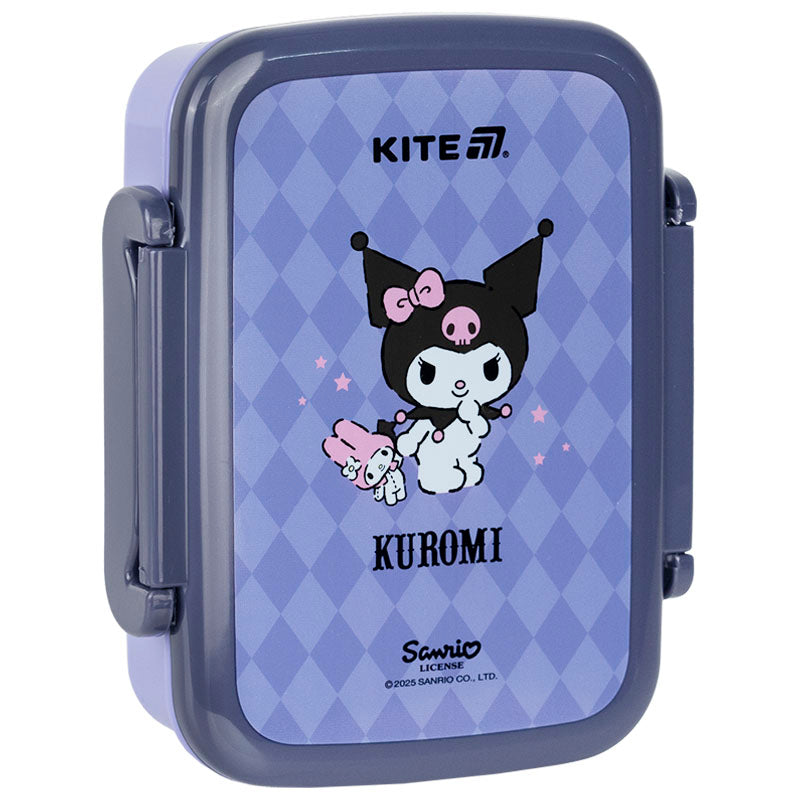
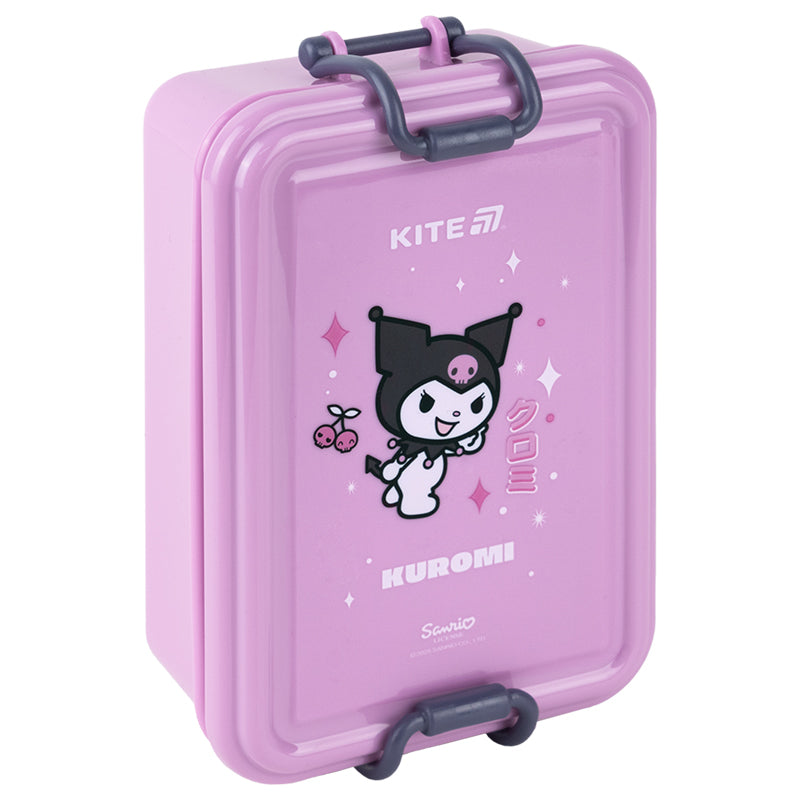
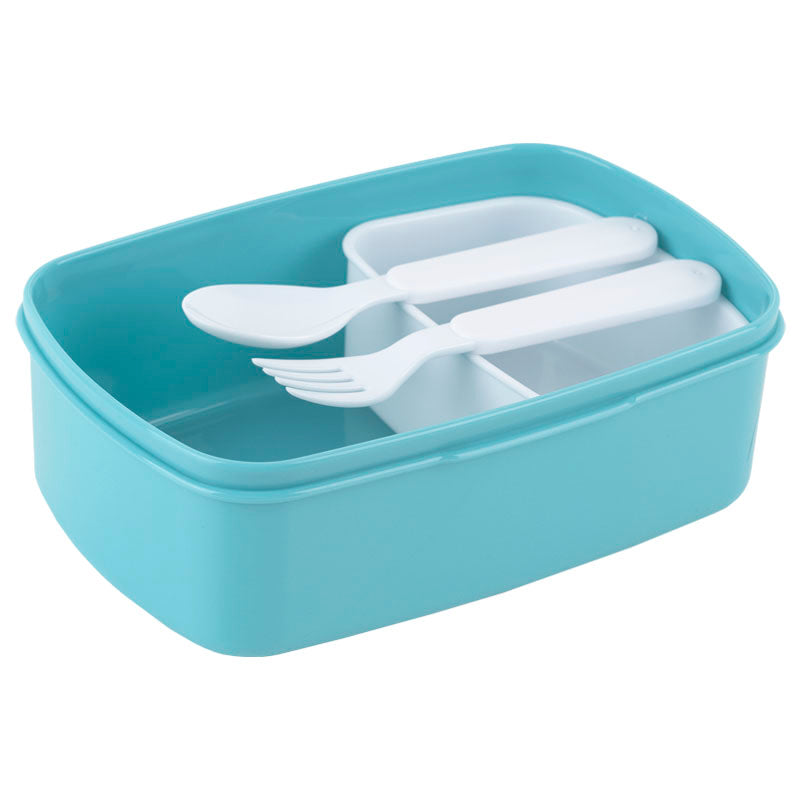
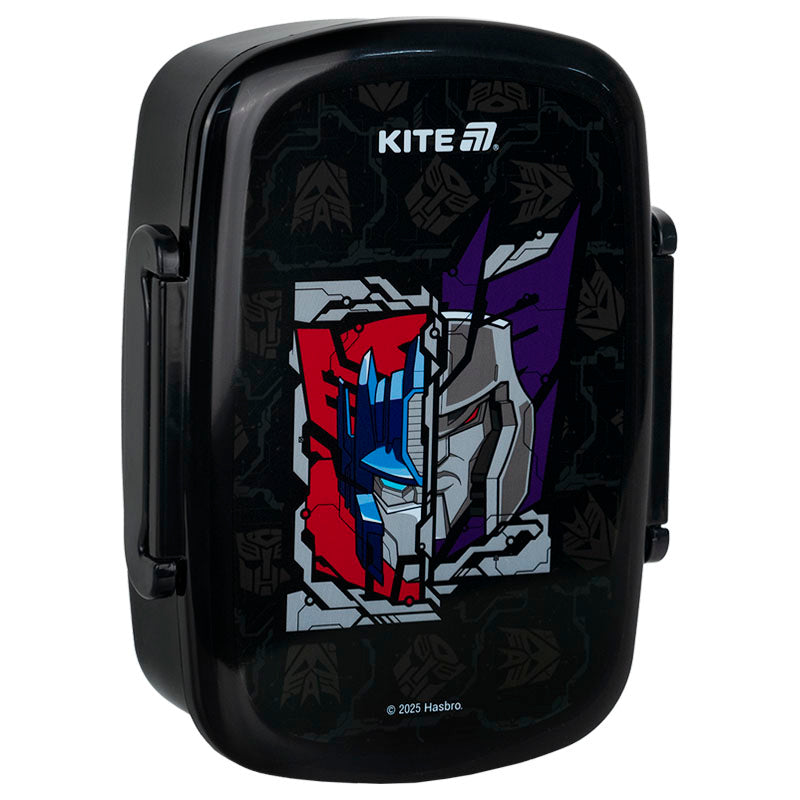
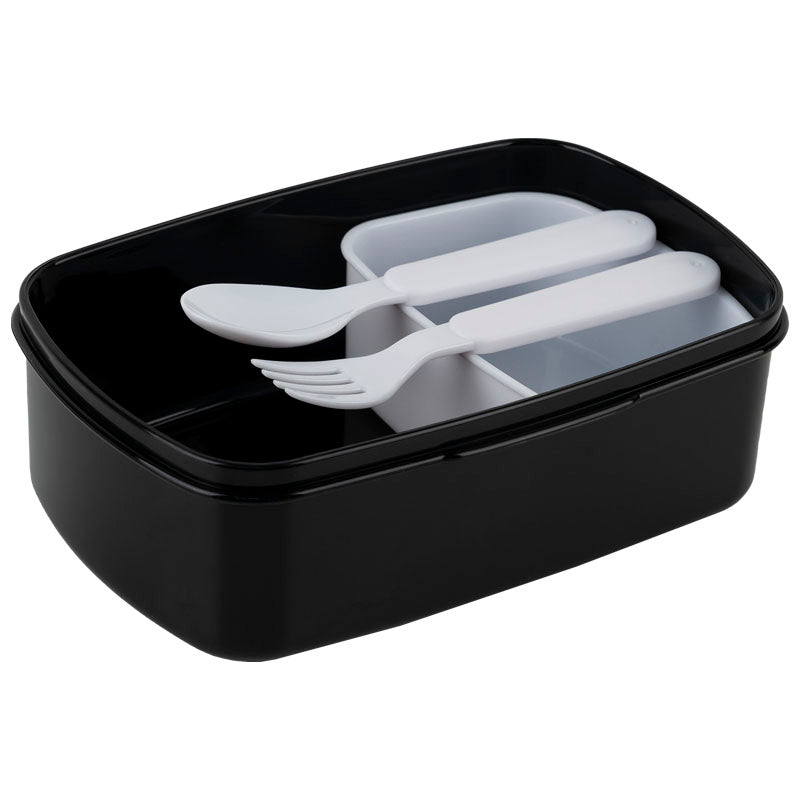
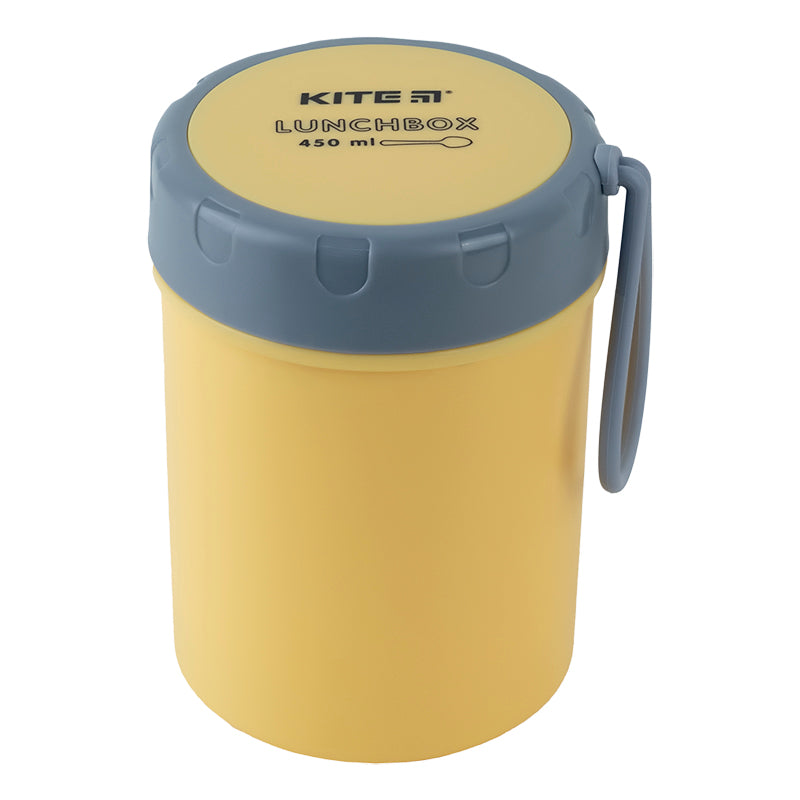
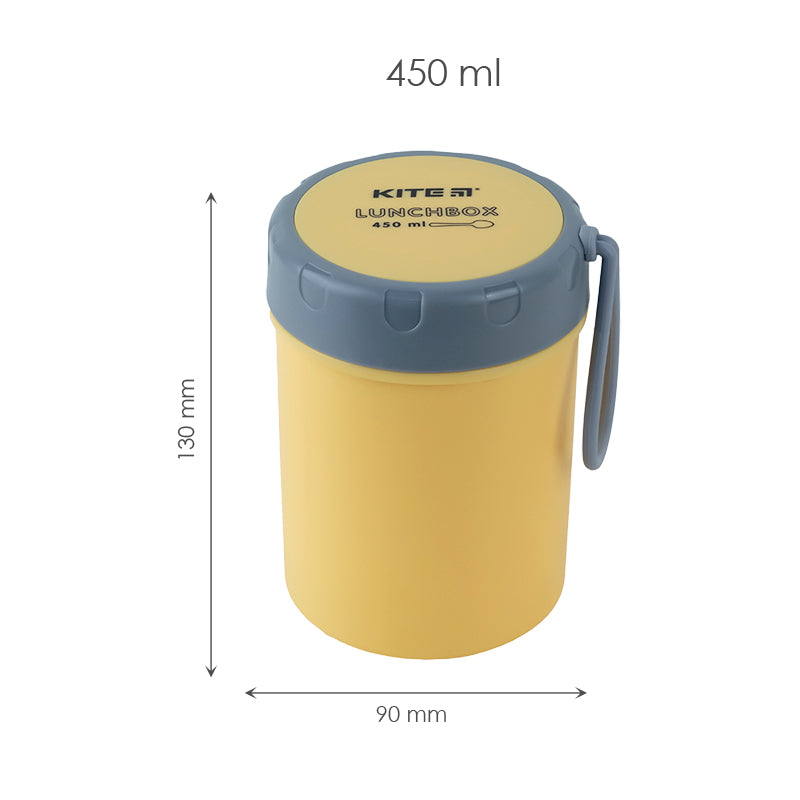
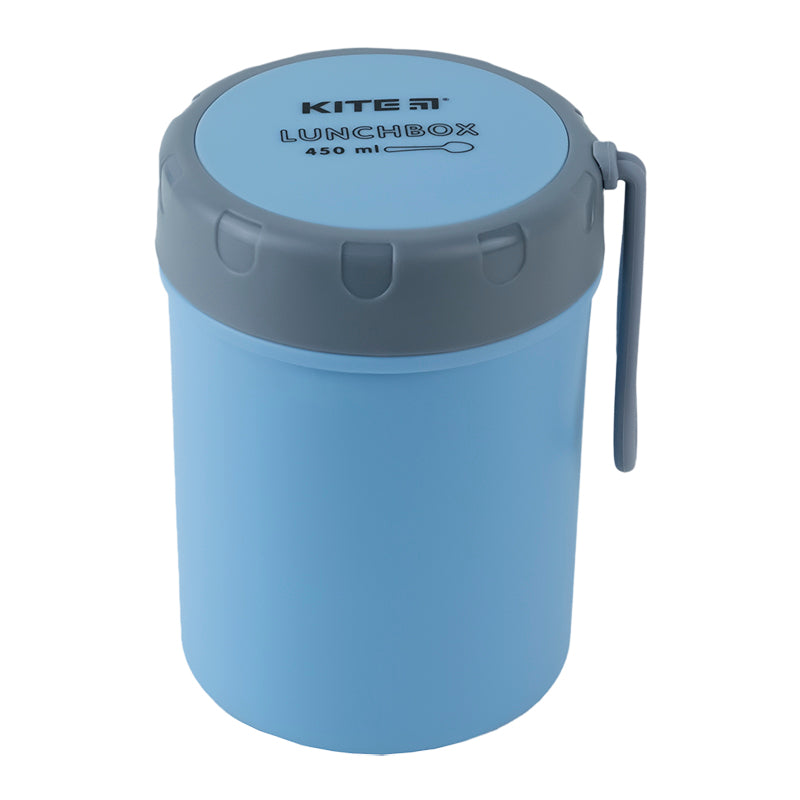
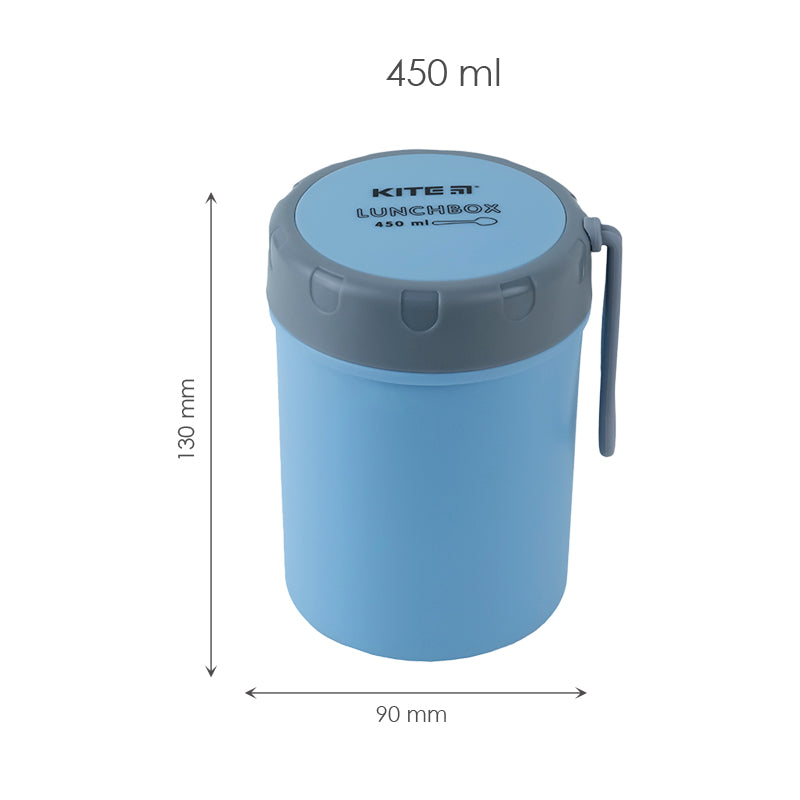
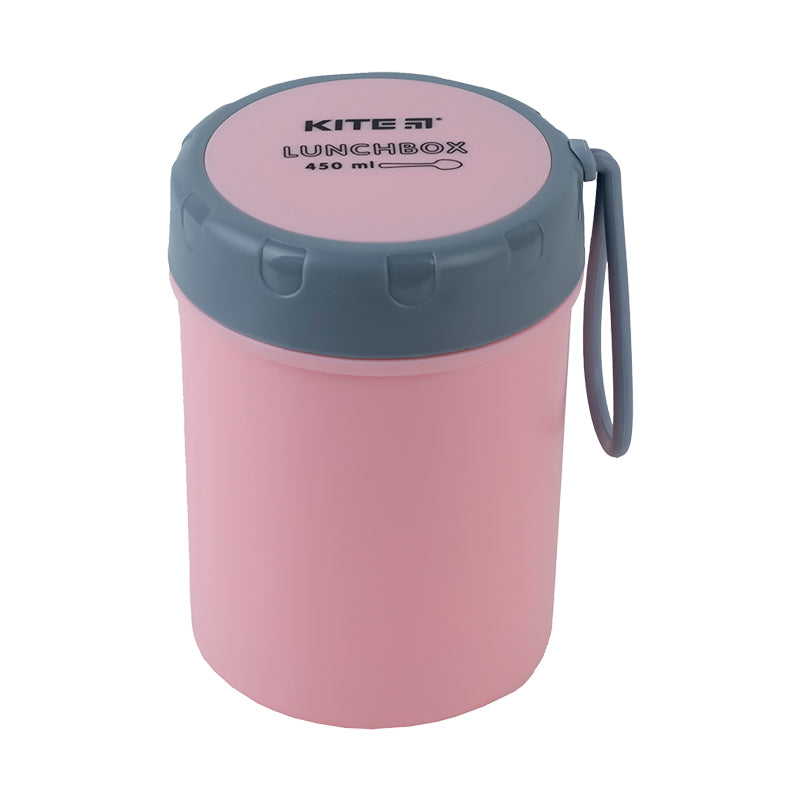
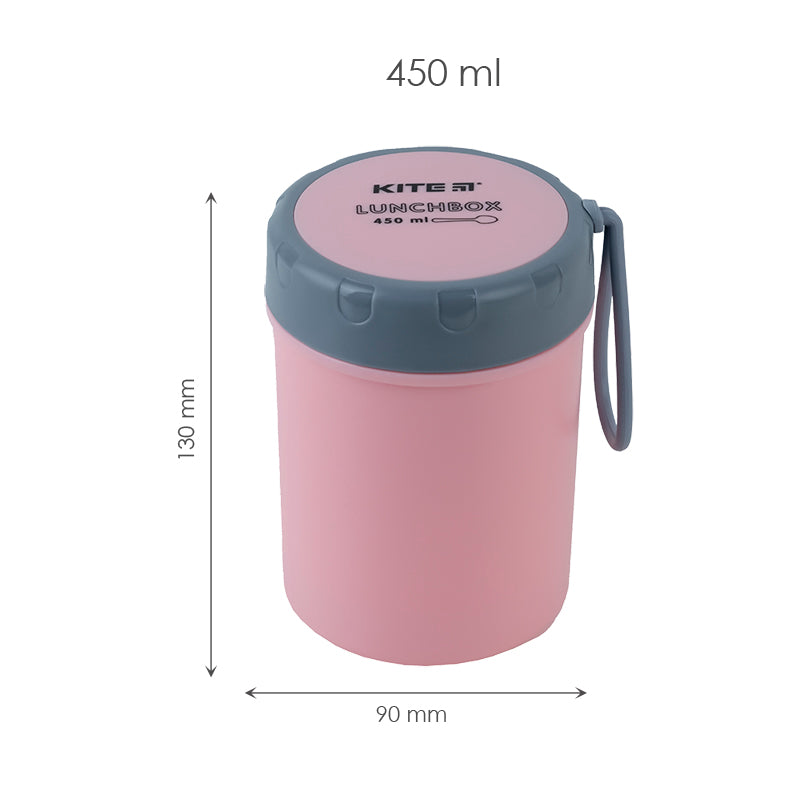
The child chooses their own clothes (even if the colors don't "match"); packs their own lunchbox (with your help, but their hands); decides what drink to take in the thermos – water, tea, or compote. This will gradually form a sense of control over their life.
Life hack. Instead of immediately putting away the child's toys, say: "Let's put them away together today, and next time you can try it yourself."
When moving to learning, start with order
At school, independence suddenly becomes a requirement. But the habit of it, often, is not yet there. Therefore, it's important not to demand organization from September 1st, but to gradually create it together.
A backpack as a small system
When a child packs their backpack themselves – it's already their space of responsibility.
A backpack where it's clear where everything is, and it's easy to find a notebook or pencil case – helps the brain not to waste extra energy.
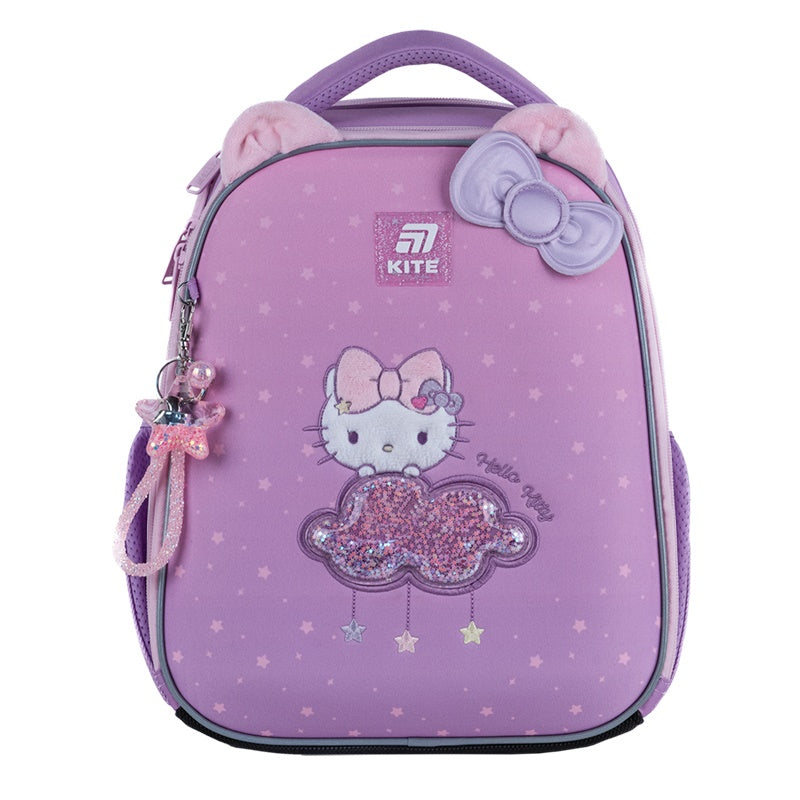
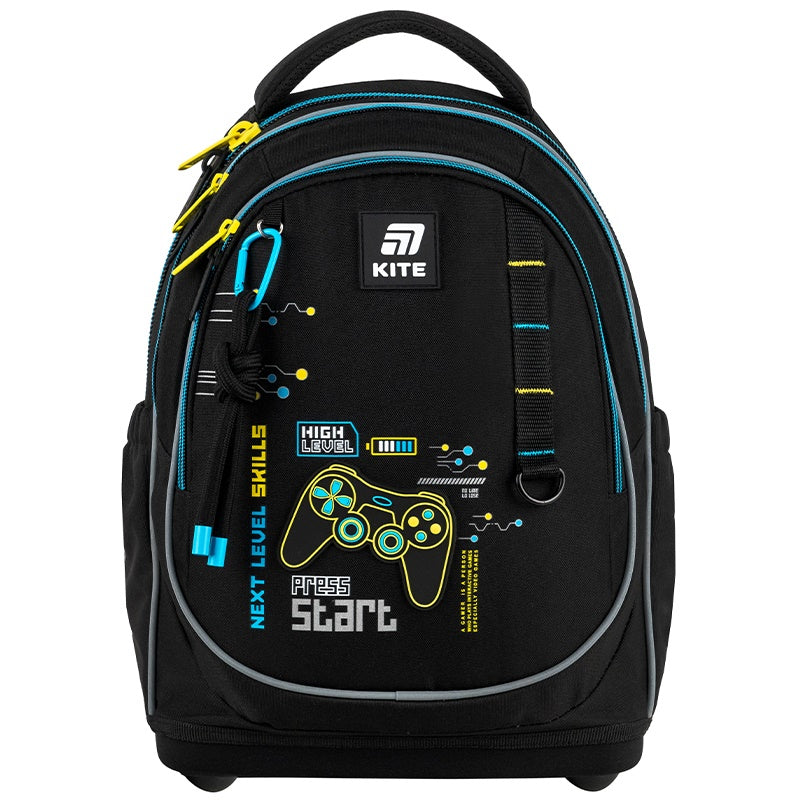
Kite precisely creates organized backpacks where everything is in its place.
That's why Kite backpacks are designed to systematize, not complicate. The child navigates faster, gets less stressed, and controls the process more.

Workspace: not perfect, but understandable
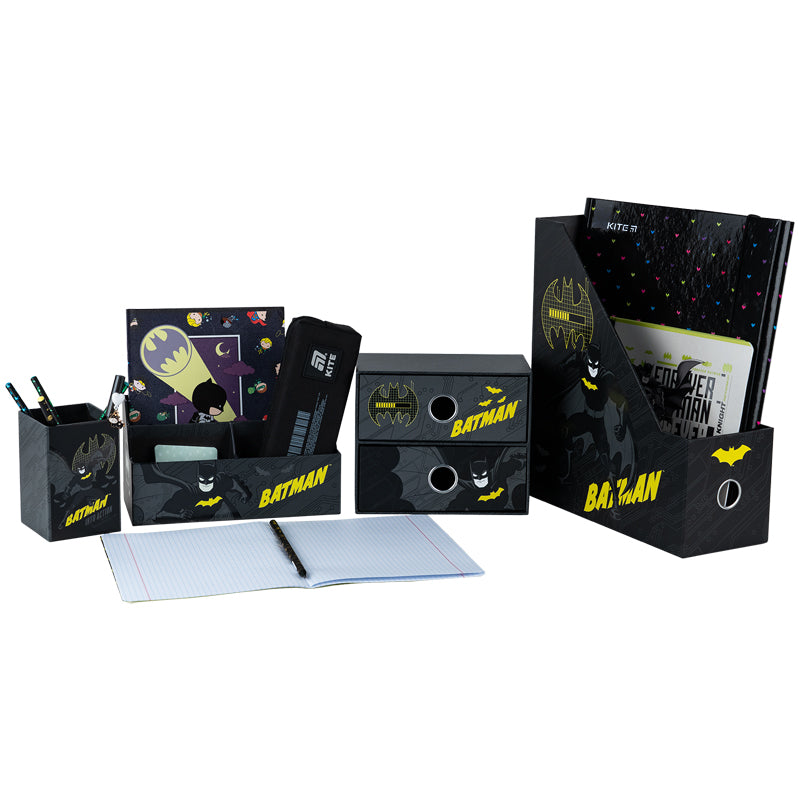
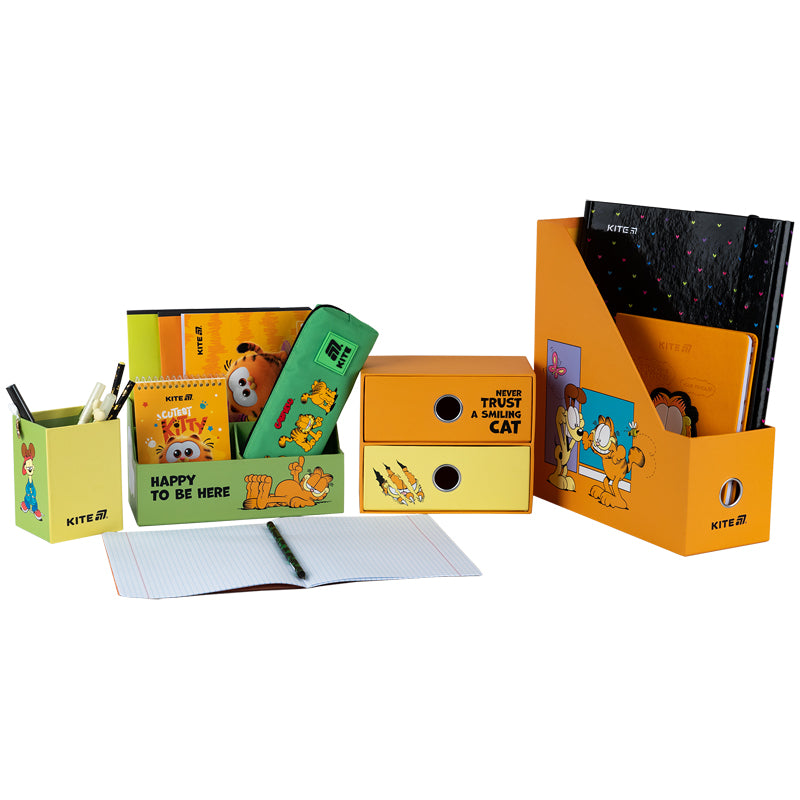
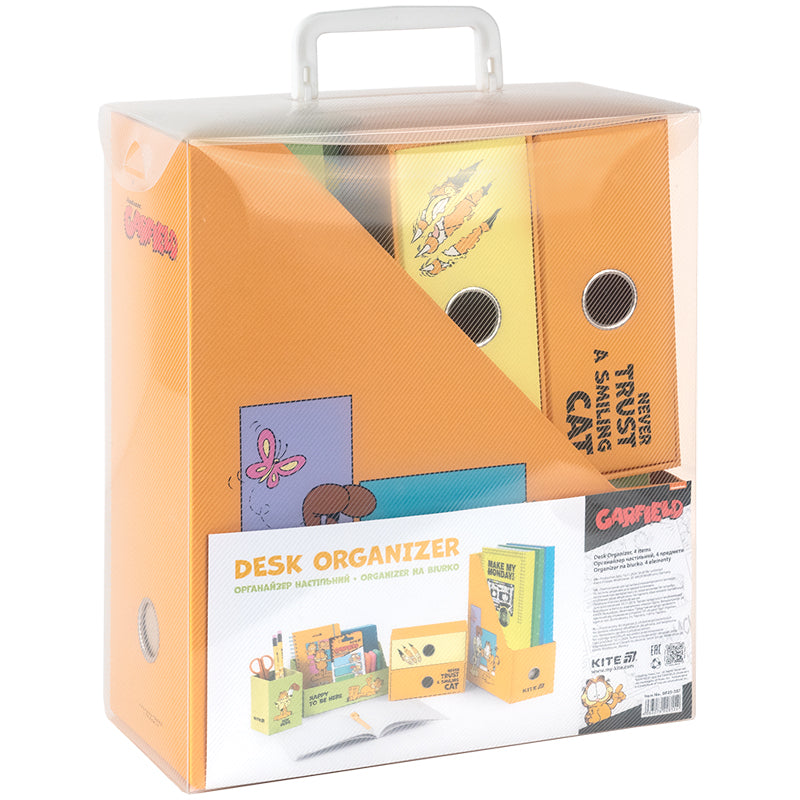
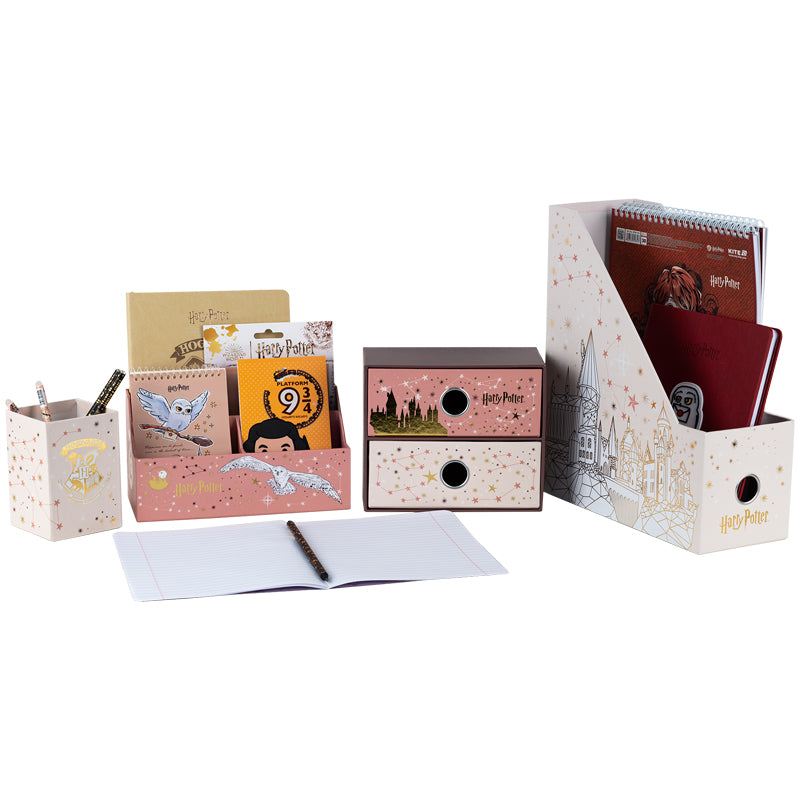
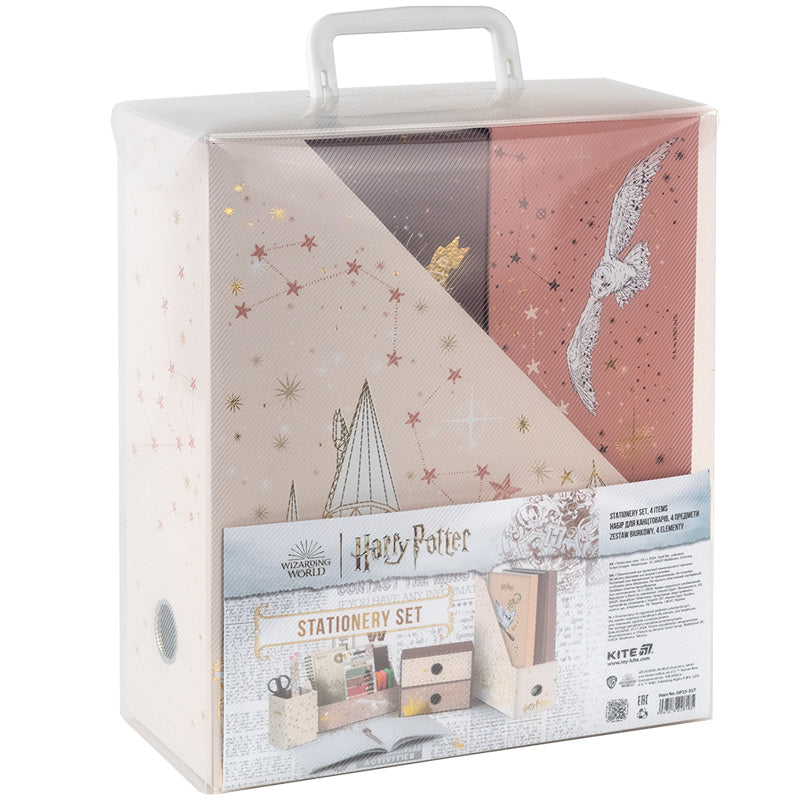
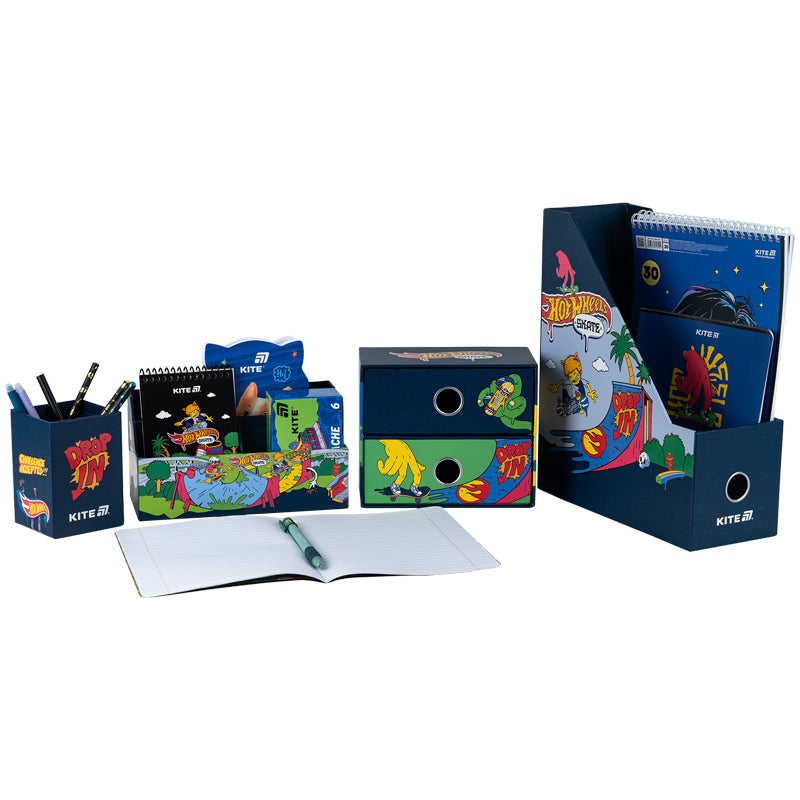
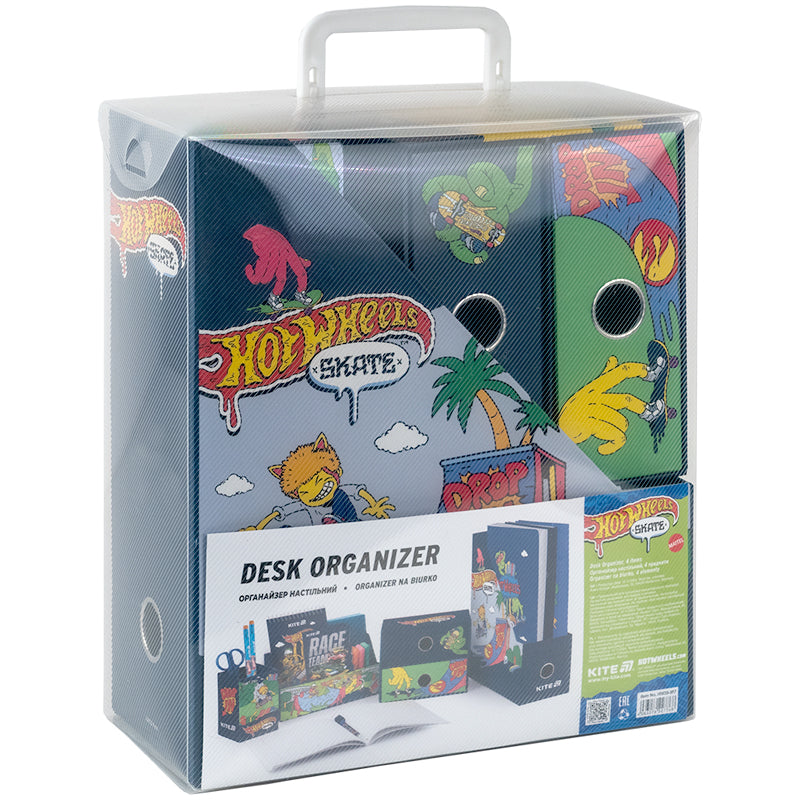
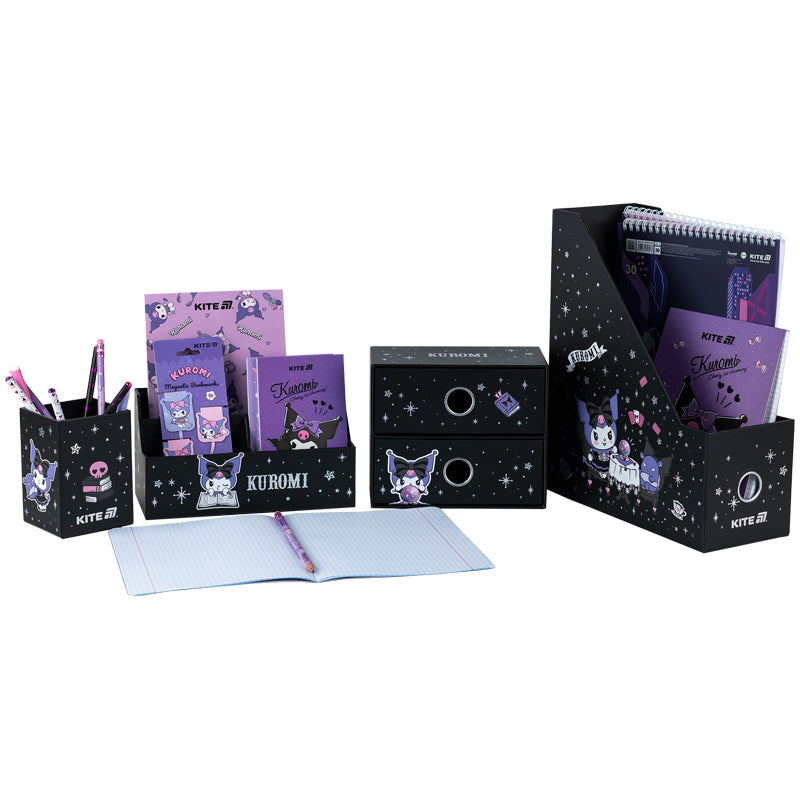
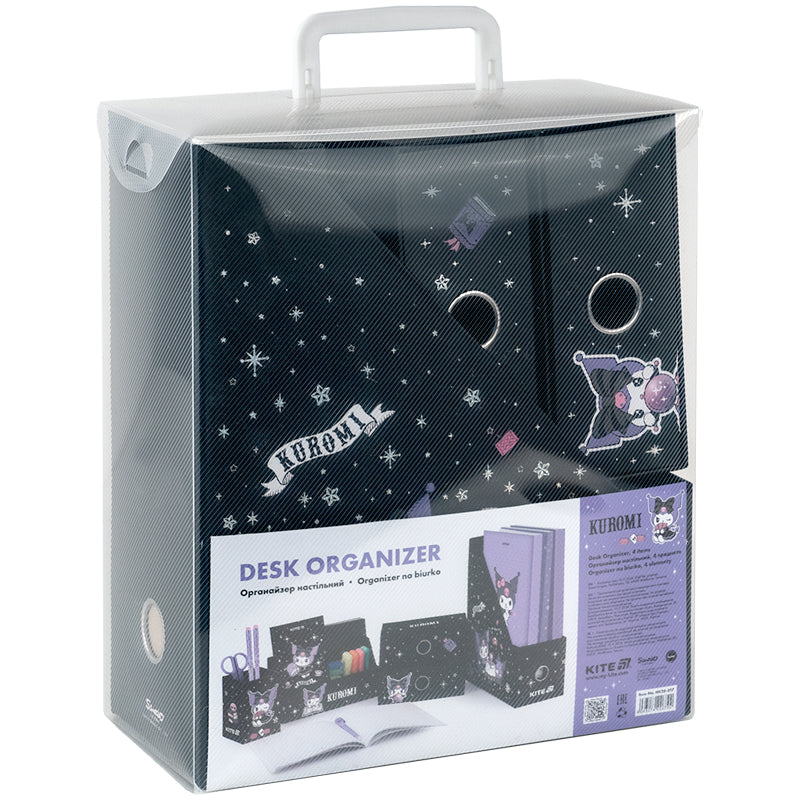
The desk doesn't have to look like it's from a catalog. It should be logical. When a child has organizers for small items, a designated place for each item, order stops being a demand. It becomes a tool.
Visual clutter increases fatigue and reduces concentration even in adults. For children, it's even more noticeable.
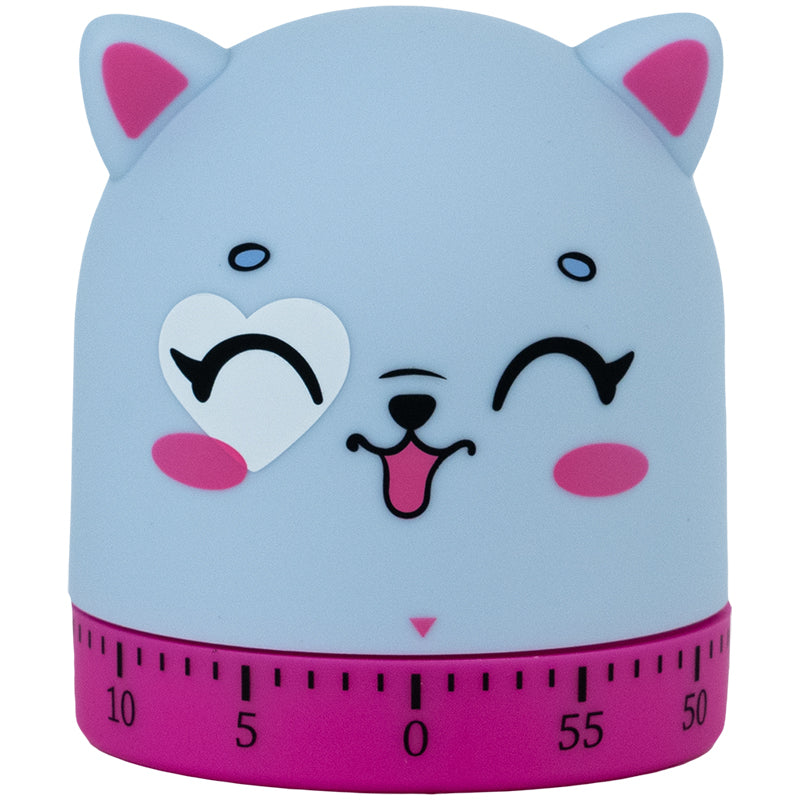
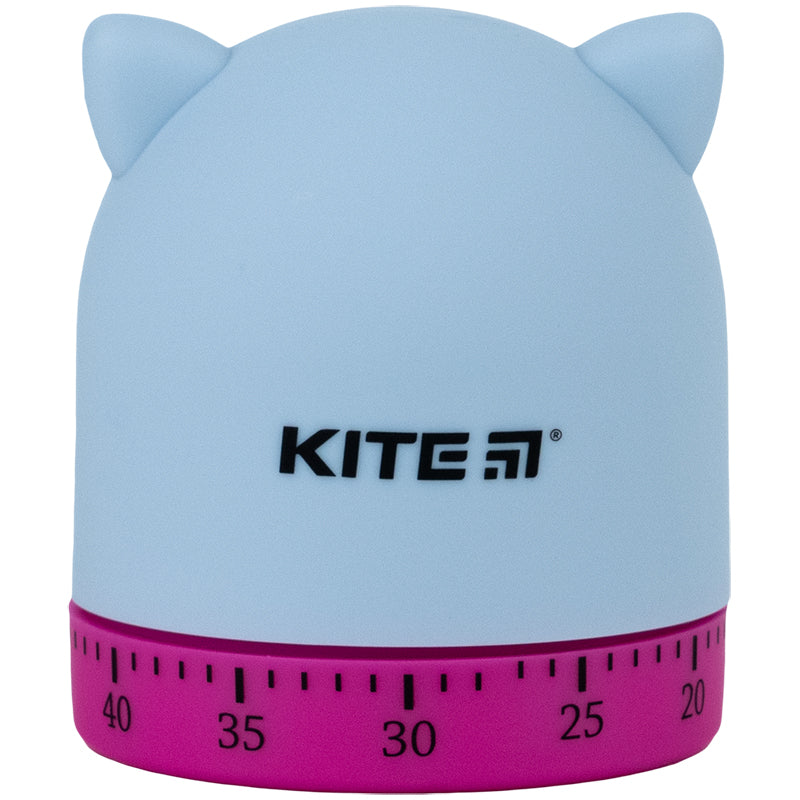
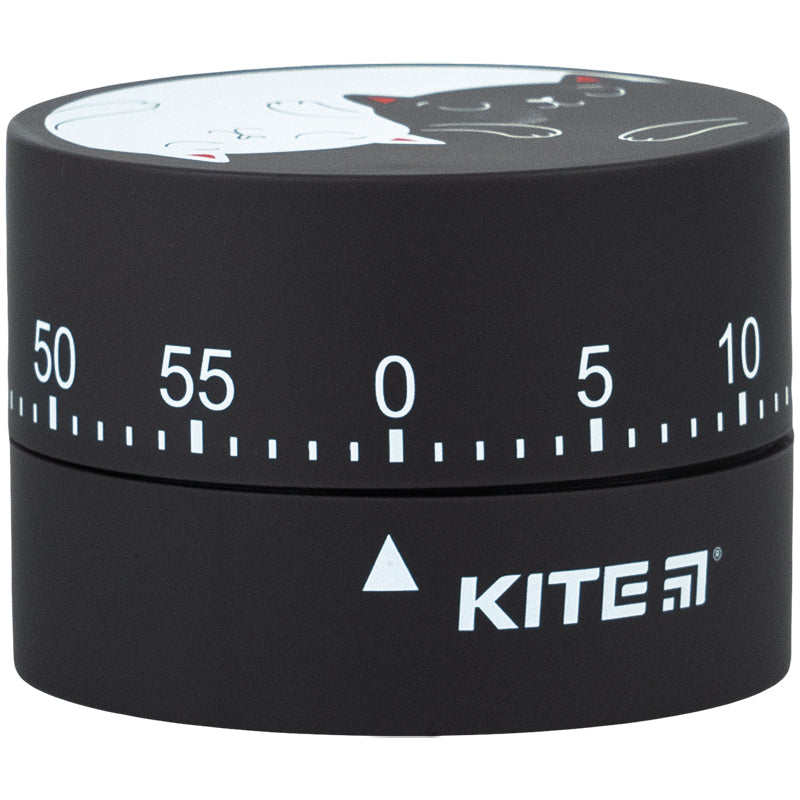
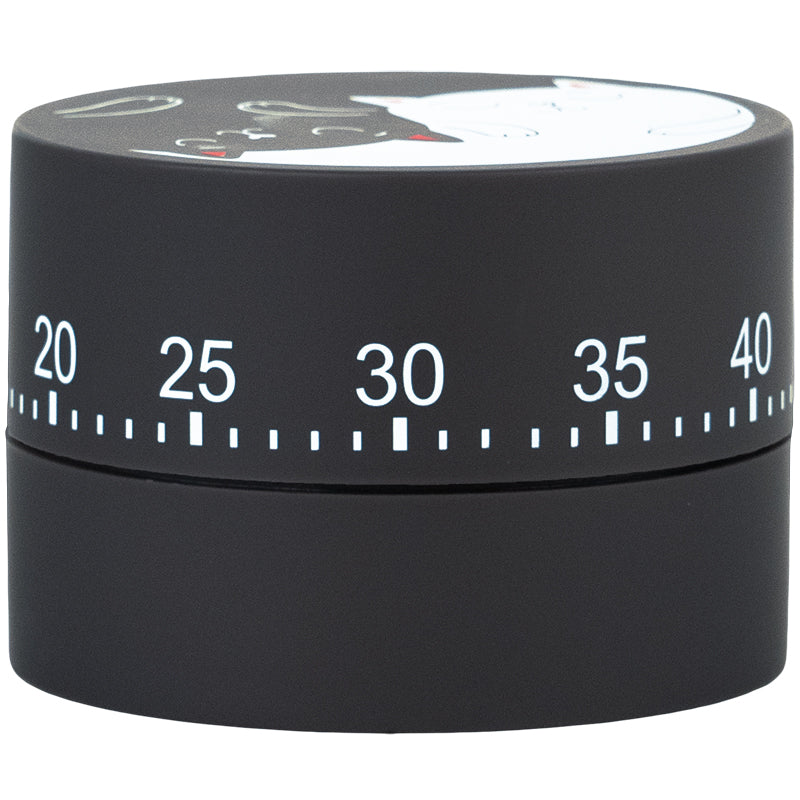
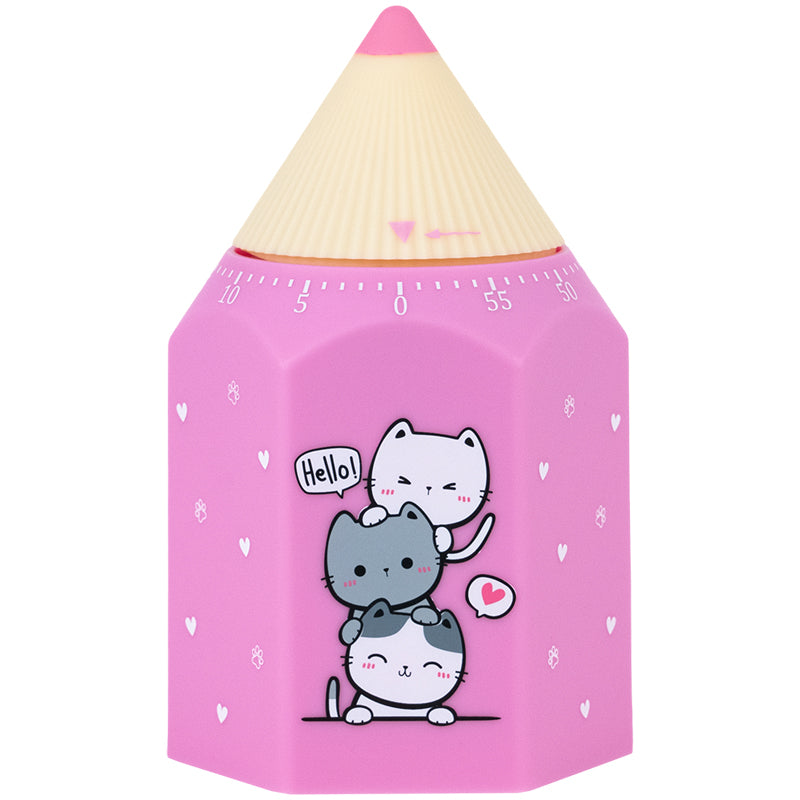
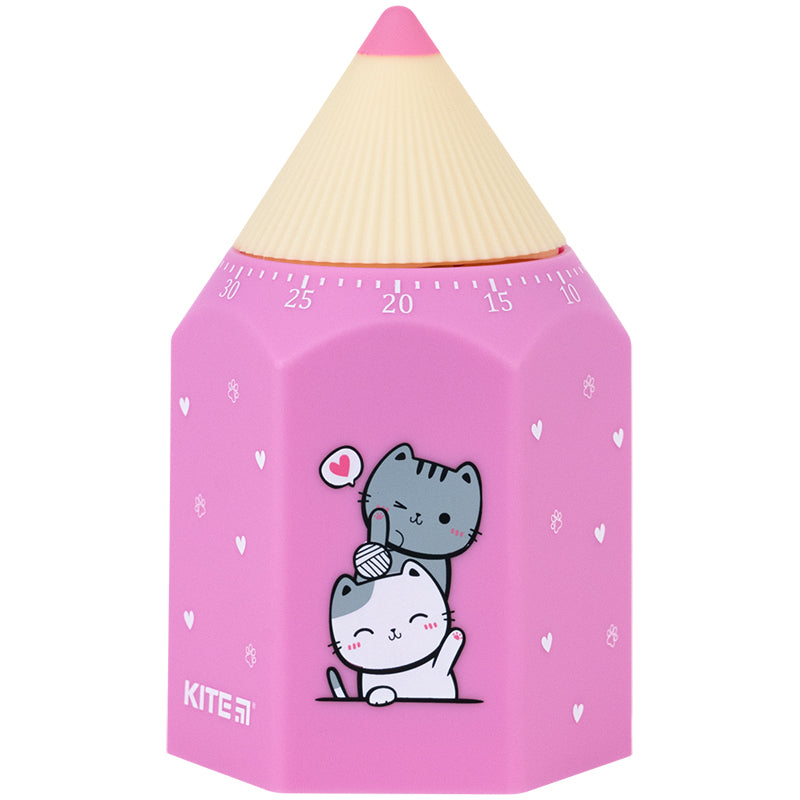
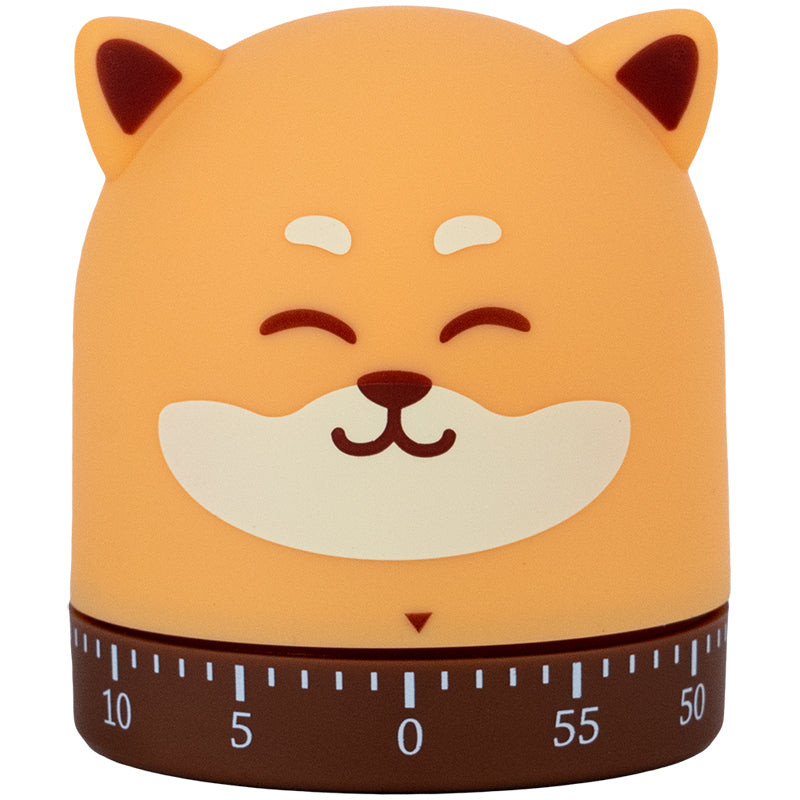
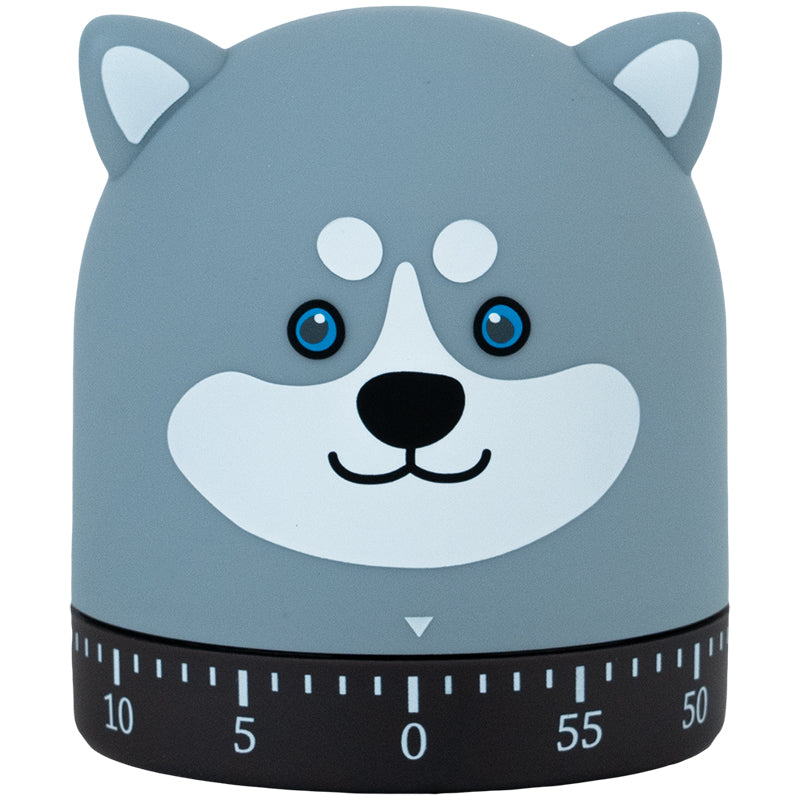
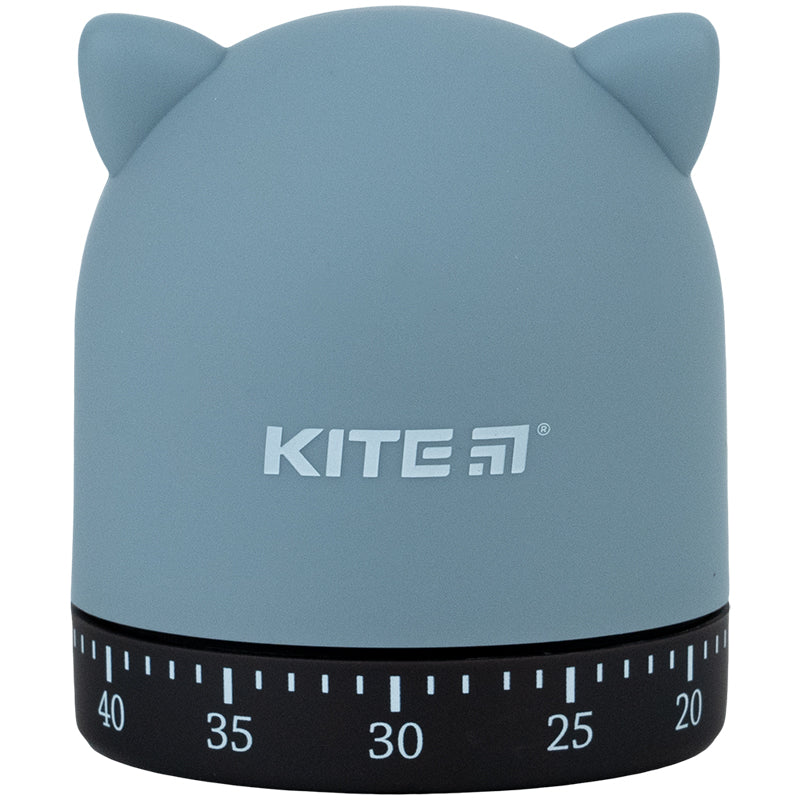
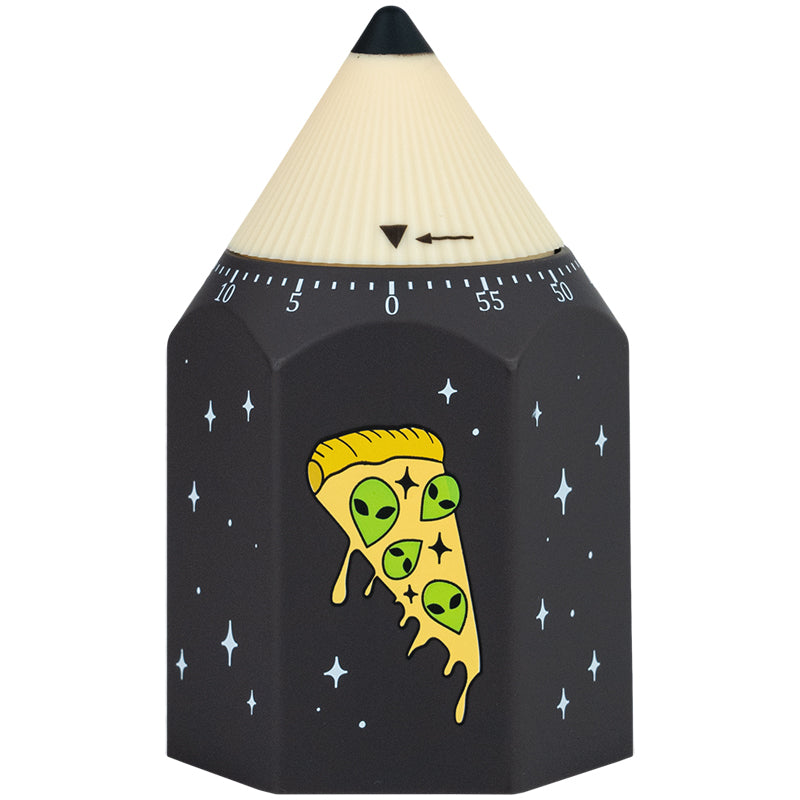
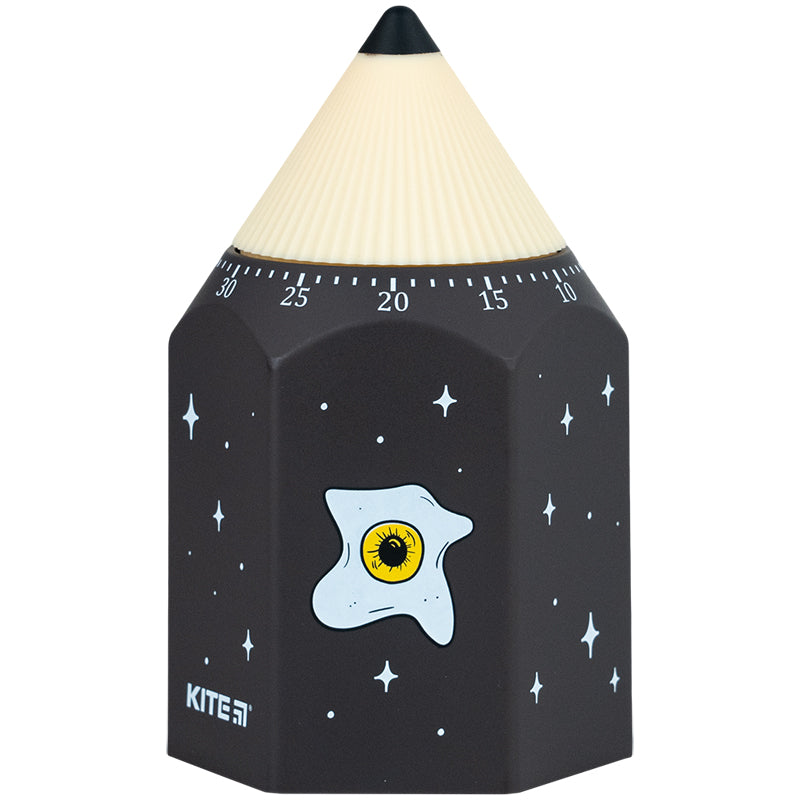
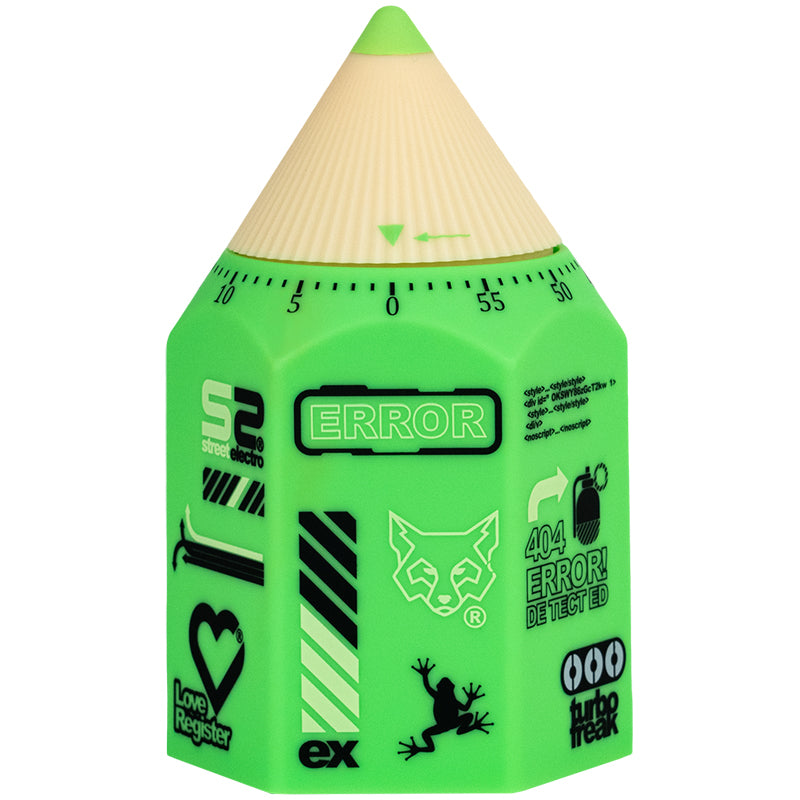
Kite also takes care of this! Order on the table – order in the head. You can come up with a simple ritual: before studying, clear unnecessary things, set a mechanical timer – and go!
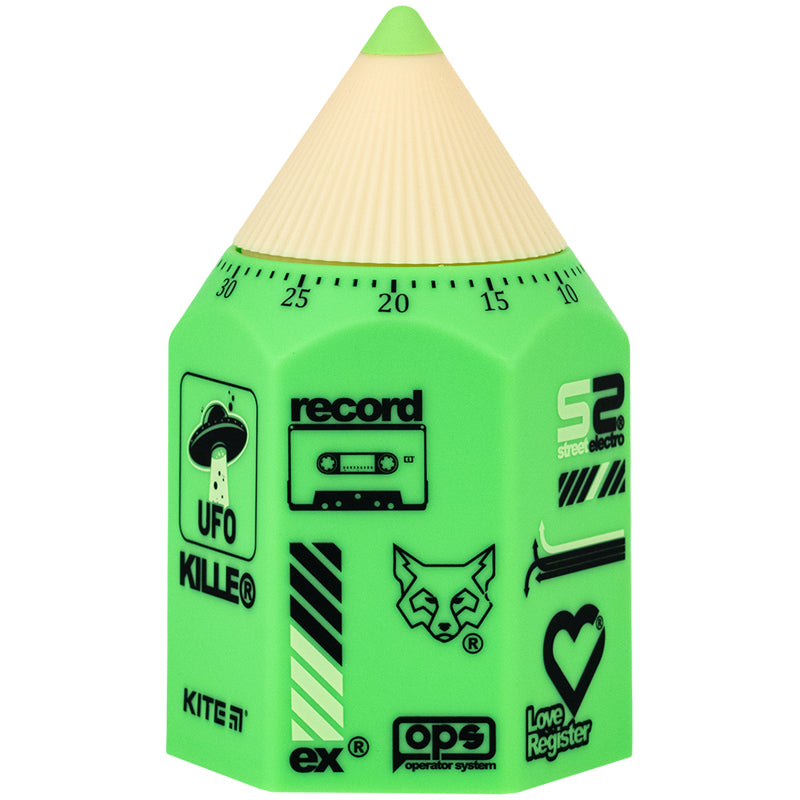
Timers help not to wander in thought, but to concentrate on one task and know when it's time for a break.
Time can also be mastered
For children, time is an abstraction. "Five minutes" and "half an hour" sound the same.
Mechanical timers are very helpful here: you can see how time "runs out"; there is a clear beginning and end; it's easier to concentrate and just as easy to switch to rest. This is not control, but learning self-regulation. A skill that will last a lifetime.

The right to choose – as training for responsibility
One of the strongest steps towards independence is to allow the child to choose. A backpack. A pencil case. Notebooks. Stationery.
When a child chooses themselves:
- they learn to listen to themselves;
- they value things more;
- they feel involved.
It's no longer "they bought it for me." It's "I chose it."
Don't criticize their choice, even if you don't like it. Independence grows from the right to make mistakes.
Independence is not a burden, but steps to freedom
The more a child does on their own, the more they feel strong, independent, and capable of influencing their life.
Independence is a gift you give to your child. And to yourself too, by the way! Because the more a child can do on their own, the more time you have for coffee, a book, or just for yourself.
The more a person knows how to do – the less dependent they are; the more at ease they feel in new situations; the more inner strength they develop. Independence does not take away childhood. It expands it.
✓ You don't have to do everything "right." It's enough to do a little and regularly.
✓ Wait a little longer.
✓ Rush a little less.
✓ Say a little more often: "Try it. I'm here."
And from these small things grows a confident, free person.

A few more steps to independence from Kite:
- Exploring the world together. Go to the store with your child, give them tasks to choose something for the whole family.
- Mini-projects. Come up with a small project together (planting a flower, making a card) where the child will choose materials and colors.
- Discuss mistakes. Allow for "oops, it didn't work out." It's not the end of the world, just another attempt.
Kite: kids choose better.