

Does your child come home from school with a heartbreaking story? Someone offended them, they weren't picked for a game, the teacher responded harshly… Conflicts at school are inevitable, but for a child, they can either be a significant source of stress or, conversely, an experience that helps develop confidence and social skills.
How adults react to these situations determines whether a conflict becomes a trauma or an opportunity to learn to negotiate, stand up for oneself, and remain calm even in tense moments.

School Conflict: What It Is and Why It Arises
A conflict is a clash of interests or emotions. In the school world, it arises quickly: through a word, an offensive look, a queue in the cafeteria, disputes in a group project, an unequal distribution of roles, or even just because "I just felt that way."
A child's conflict is not necessarily a fight or a loud argument. Often, it's an invisible struggle for attention, a place in a group, the right to be heard. Psychologists, including in the recommendations of NUS and WHO, emphasize: conflict is a natural part of a child's social development. It only becomes a problem when it repeats, escalates, or is accompanied by violence and isolation. It's not a system failure in upbringing or a sign that "something is wrong" with your child. It's a component of school life, just as natural as changing interests. But how we react to them can either make a child stronger or add to their feelings of guilt and loneliness.
The causes of school conflicts are varied: different levels of emotional intelligence development, inability to manage emotions, competition, unequal distribution of teacher's attention, family problems, stress, and sometimes just an ill-timed joke. This is not a sign of a "bad classroom atmosphere." It's a sign that children are growing, testing boundaries, and learning to negotiate. In a school environment, almost every child has experienced a conflict situation at least once – according to WHO, over 60% of children face conflicts at school during the year. And this is normal if conflicts are resolved constructively.

When is conflict normal, and when is it not?
It's normal when children learn to negotiate, stand up for themselves, admit mistakes, and correct them. This is part of social learning. It's not normal when conflict escalates into bullying, humiliation, prolonged isolation, or aggression. If a child is sad for a long time, refuses to go to school, or loses interest in learning, this is a signal for adult intervention.
It's normal when:
- a child gets upset but calms down over time;
- they engage in dialogue and can explain what happened;
- conflict occurs rarely;
- relationships are not destroyed afterward.
It's not normal when:
- conflicts repeat with the same participants;
- the child is afraid to go to school;
- humiliation or belittling occurs;
- the teacher or student demonstrates authoritative, aggressive behavior;
- the child suppresses emotions, is silent, avoids any conversations.
Most Common Types of School Conflicts
1. Emotional and Impulsive
These are situations where "someone pushed someone," said a harsh word, or displayed excessive emotionality.
Example: two boys fought over a ball; a student accidentally bumped a classmate who was in a bad mood.
Solution: discuss emotions with each participant in the conflict, clarify the reasons for the dispute, and choose environmentally friendly ways of reacting, teach "stop-pauses," and restoring contact.
2. Social and Hierarchical
Children determine "who is the leader," "who to include/exclude from the game."
Example: a girl is not invited to a team because she is new.
Solution: teamwork, support for self-esteem, gradual inclusion in micro-groups.
3. Conflicts Due to Inequality of Opportunities
Some are physically stronger, some have a natural talent for learning, some have more authority in the class.
Example: a distracted and shy student in a group project annoys the most active participants; the team is upset because he slows down their progress.
Solution: role distribution according to strengths, allowing each student to show their strongest sides.
4. Value-Based
Children have different family models, learn to defend their opinions among opponents.
Example: crude jokes by some students can deeply hurt others.
Solution: teaching empathy, school rules of ethical interaction.

Conflicts with the Teacher
This is more complex because there is a difference in status. A child often feels defenseless before an authoritative adult figure.
Common types:
- misunderstanding, mismatch of expectations: the teacher expects activity, the child is shy;
- teacher's communication style: sharp, direct, or ironic – and the child is vulnerable;
- overload: the child is falling behind but is afraid to say so;
- misinterpretation and perception of behavior: when activity is perceived as mischief, silence – as ignoring the teacher.
Solution options:
- parents meeting with the teacher and a friendly conversation without accusations;
- communication through facts ("my daughter came home upset and said...");
- agreement on transparent rules: how a shy child should ask for help, how to avoid misunderstandings;
- involving a psychologist if the situation repeats.

How to Resolve and Prevent Conflicts
Prevention is always more effective than post-mortem analysis. However, modern pedagogical approaches advise not only avoiding conflicts but also teaching children how to resolve them constructively. Here's an example: after an argument with a classmate, the child is upset. Offer to analyze the situation together – explain that everyone makes mistakes sometimes and that it's important to talk about your feelings.
1. Accept the child's feelings
Don't immediately determine "who is right," but first understand the child's emotions.
Only after this can the child engage in dialogue.
2. Reconstruct the sequence of events
Gently ask: who was present, when it happened, what they felt, what they meant by it.
Ask neutral questions, without prompting.
3. Find a solution together
Not "I said so," but "let's think about it."
The child should see that they are a co-participant in the solution, not an object of control.
You can model a conversation that the child can repeat at school: "I felt uncomfortable when you said that, let's agree not to do that again."
Preventing conflicts helps develop emotional intelligence: teach your child to recognize their emotions, talk about them, and listen to others. Parental support is no less important. The child must know that at home, they will be understood and supported, even if they made a mistake. Remember: when there is a safe adult nearby, conflicts become part of learning, not trauma.
How to Support a Child in Conflict
First and foremost, listen without judgment. Don't rush to blame either the child or their "opponent." Help them understand exactly what happened, and allow the child to suggest solutions themselves. If the situation is complex, don't hesitate to contact the school psychologist or class teacher.
It's also important to be objective, to teach the child to understand another's perspective, and to take responsibility for their words and actions. Explain that even best friends can make mistakes, even adults are not always right, but everything should be resolved calmly and without offense.

An atmosphere of comfort and confidence is not a trifle
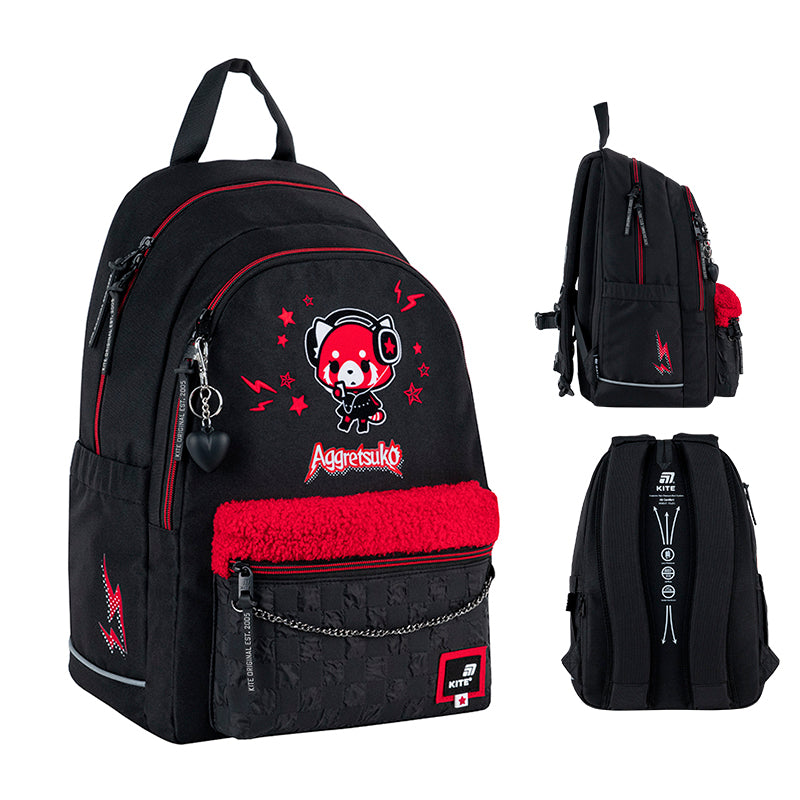
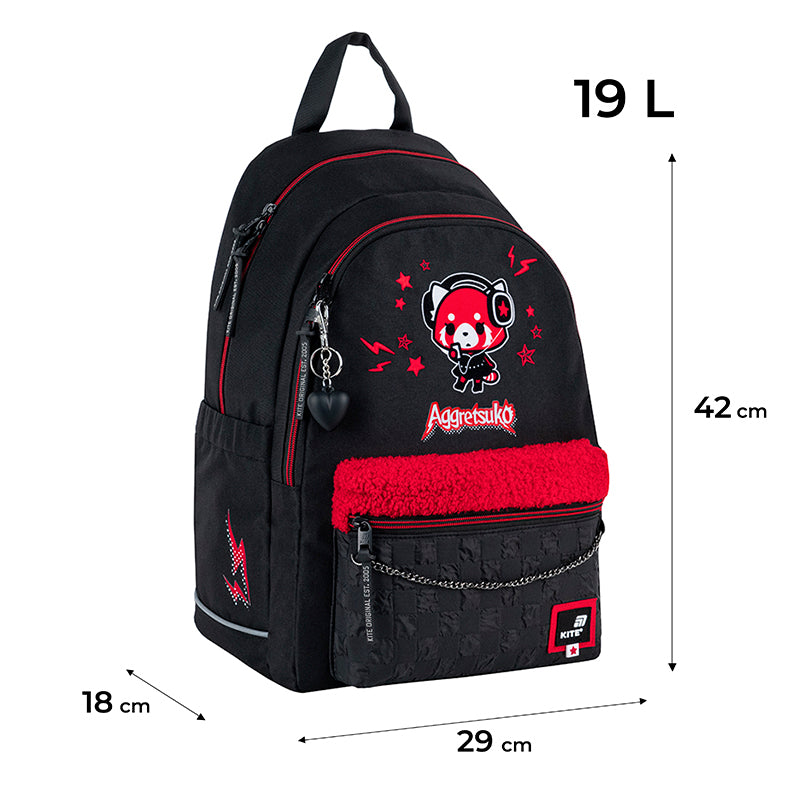
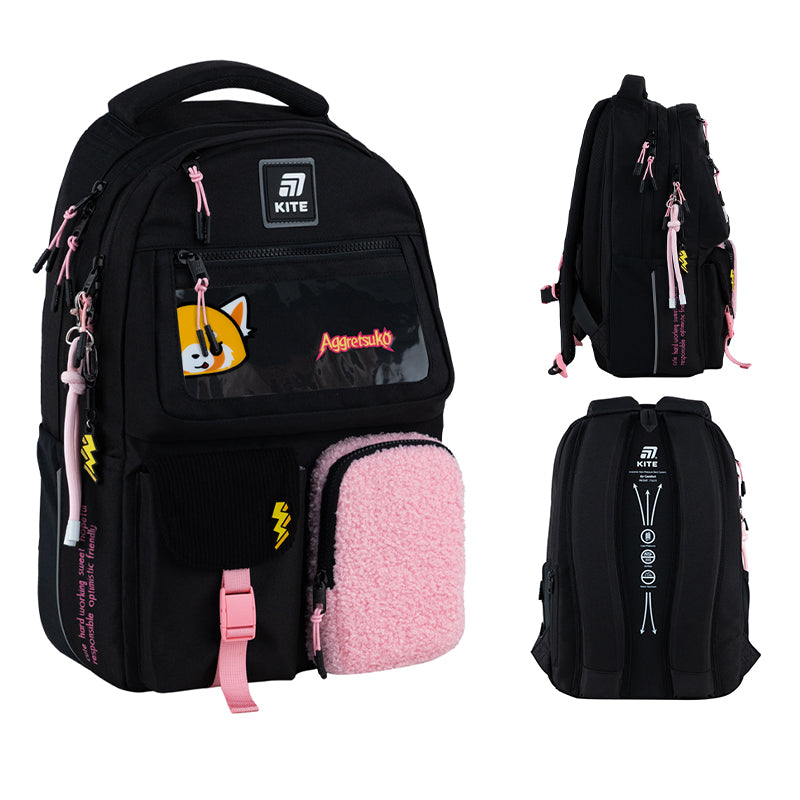
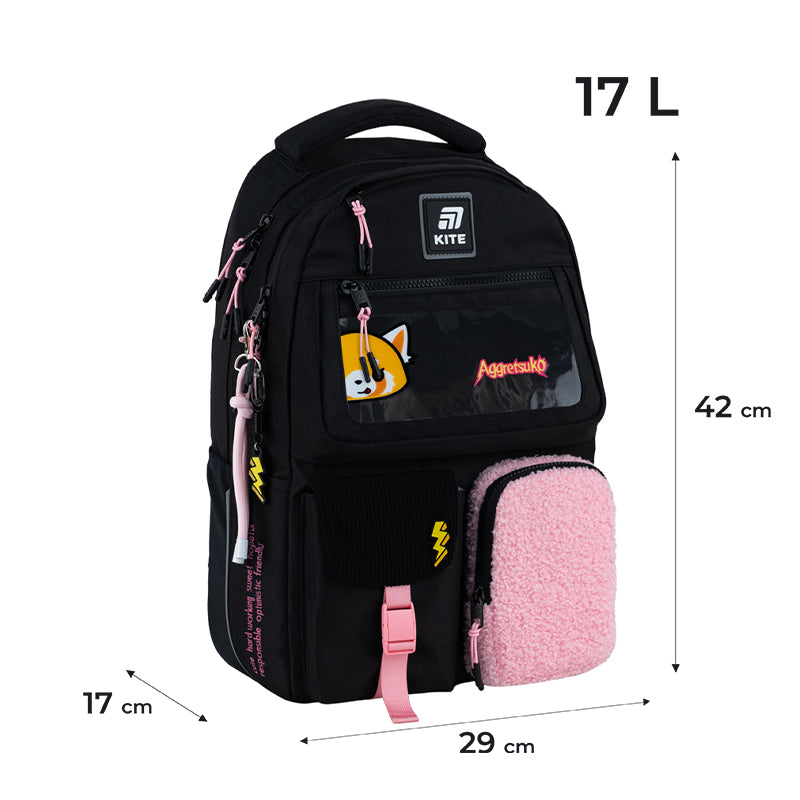
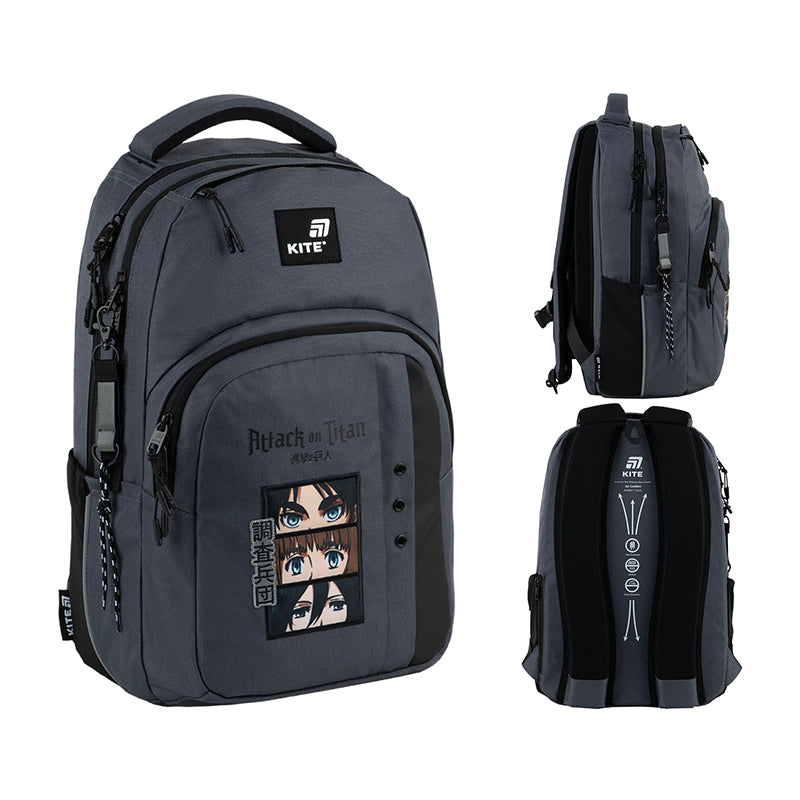
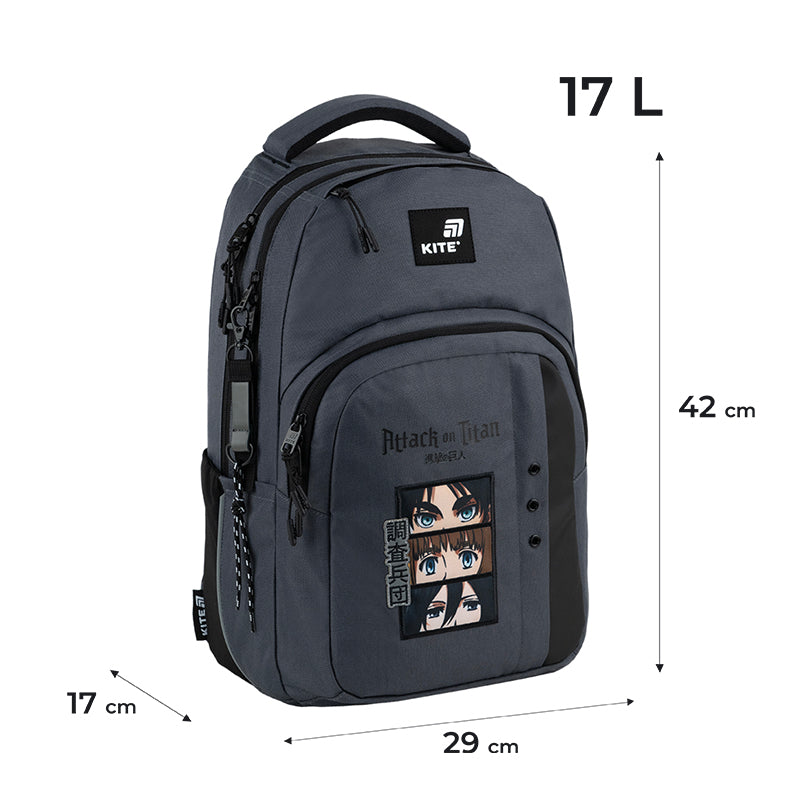
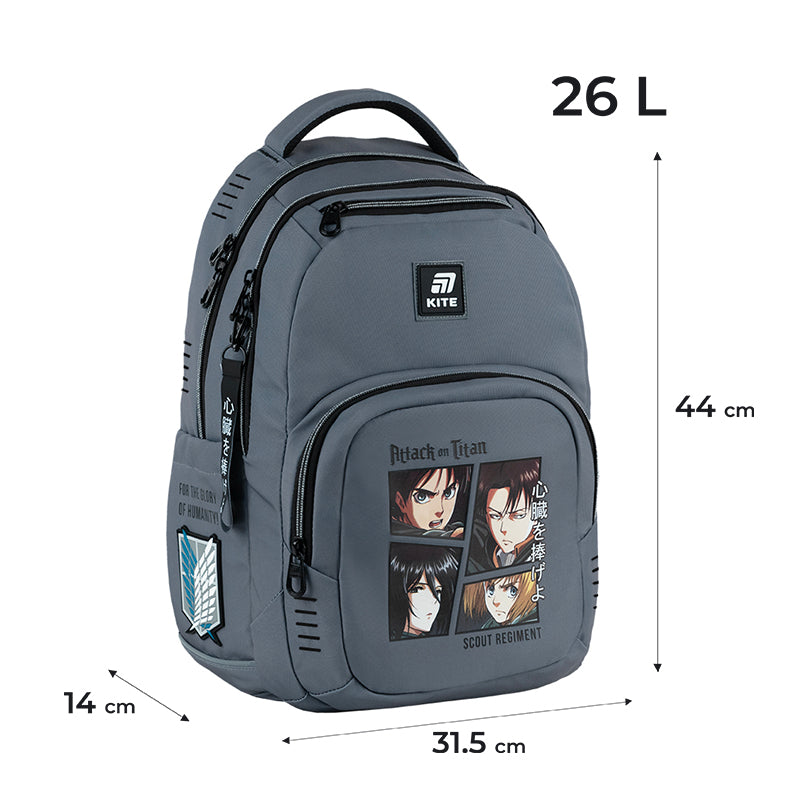
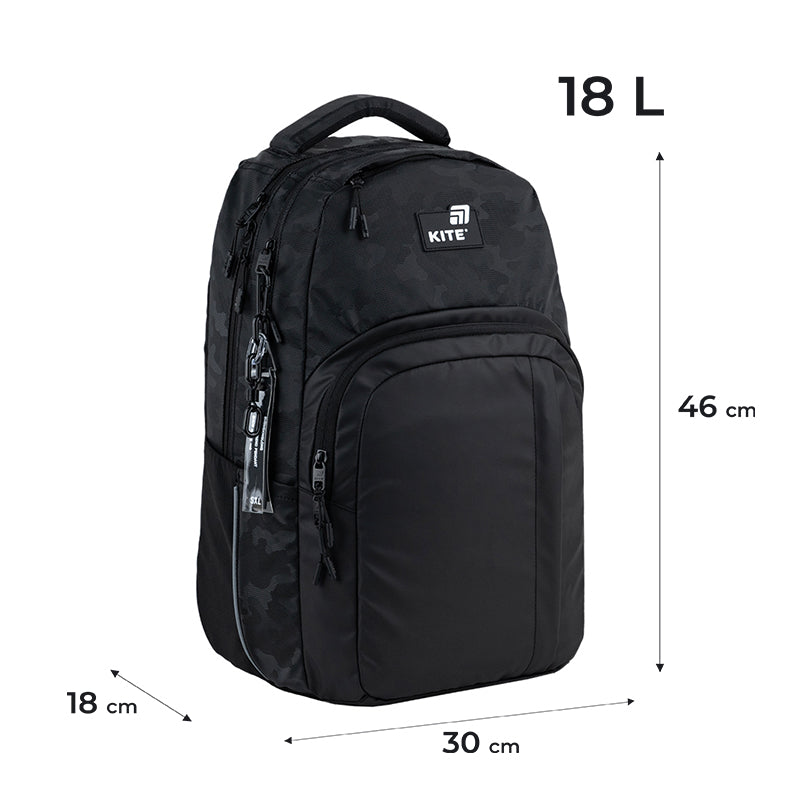
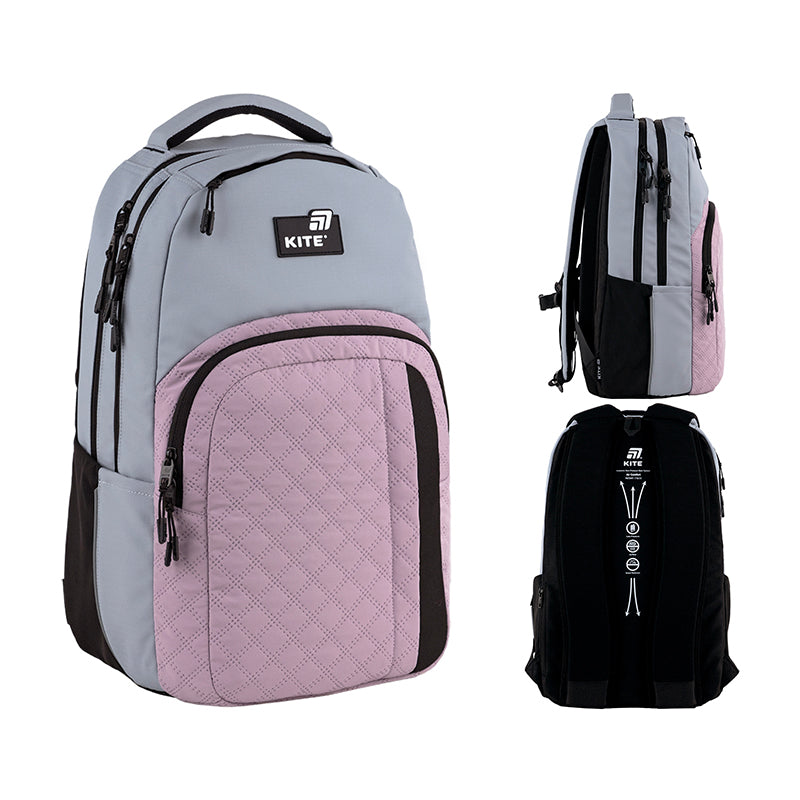
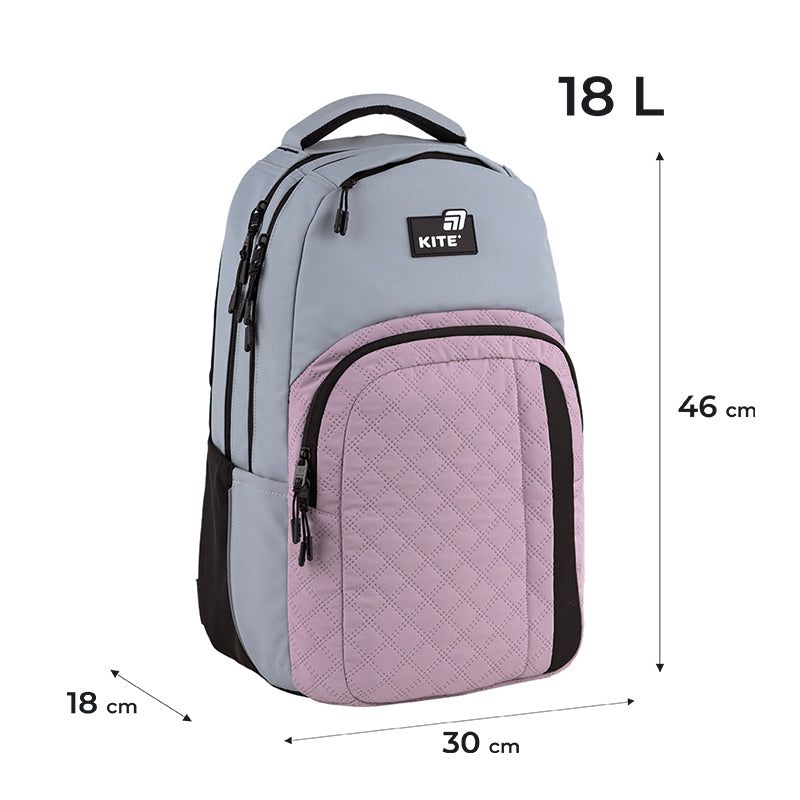
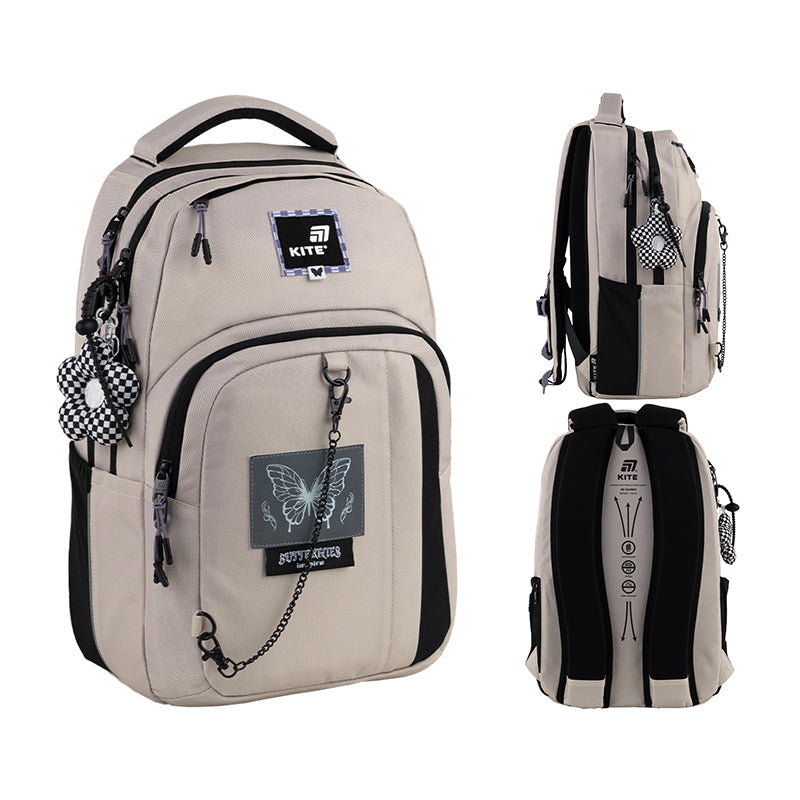
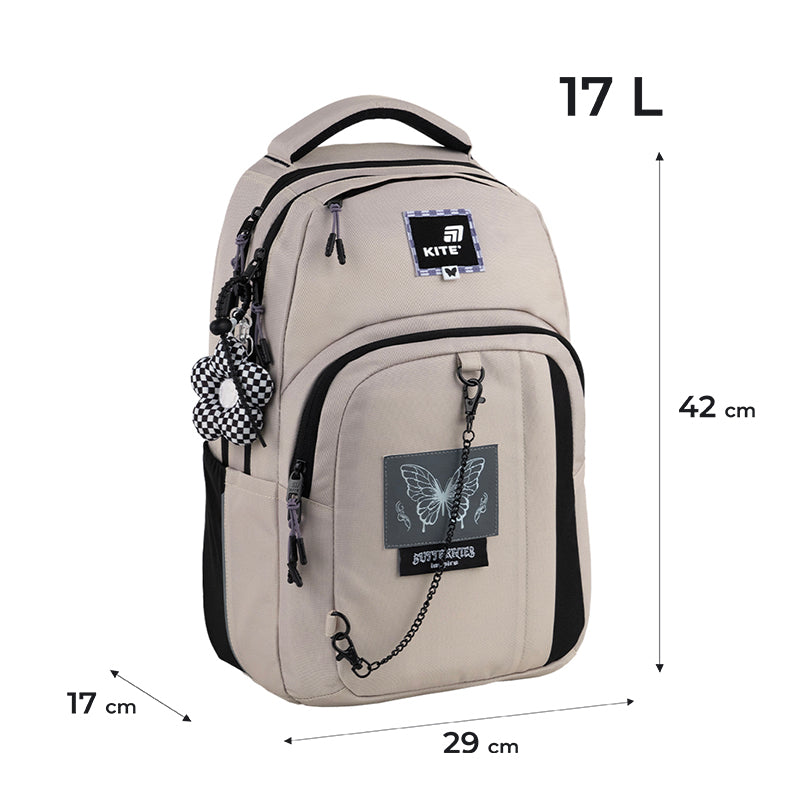
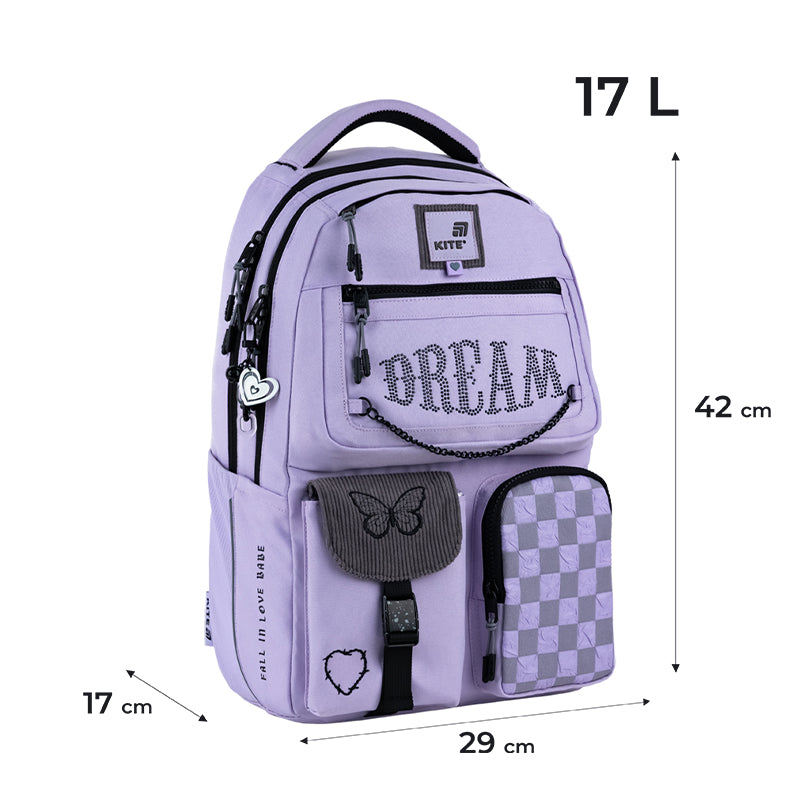
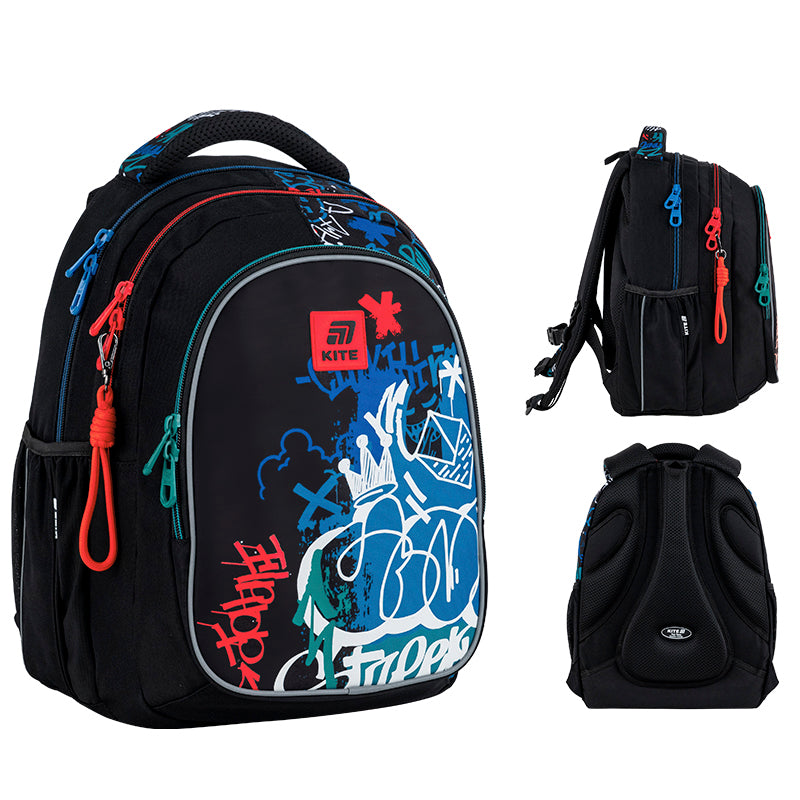
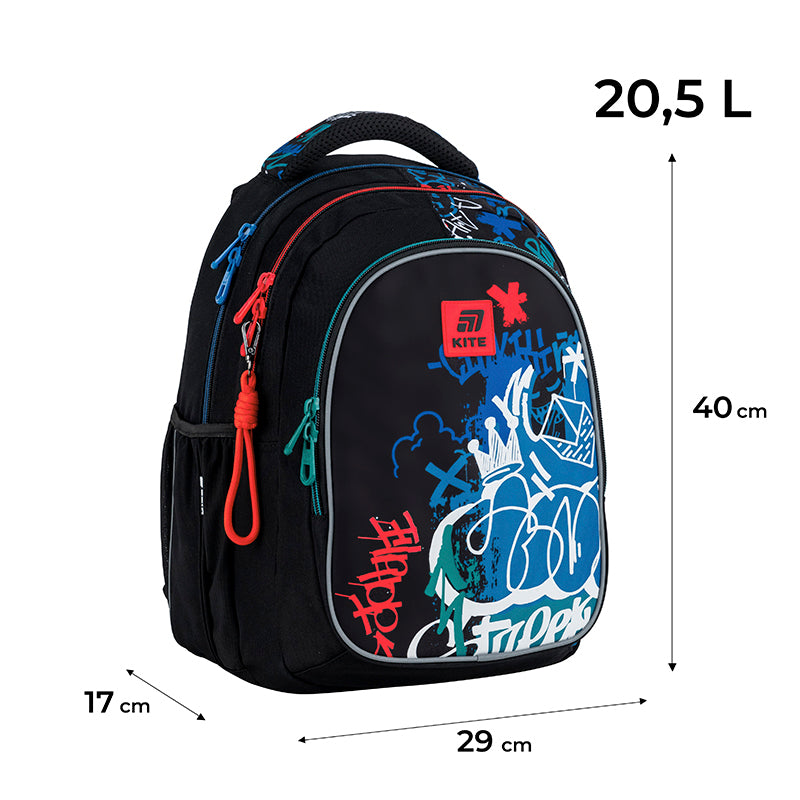
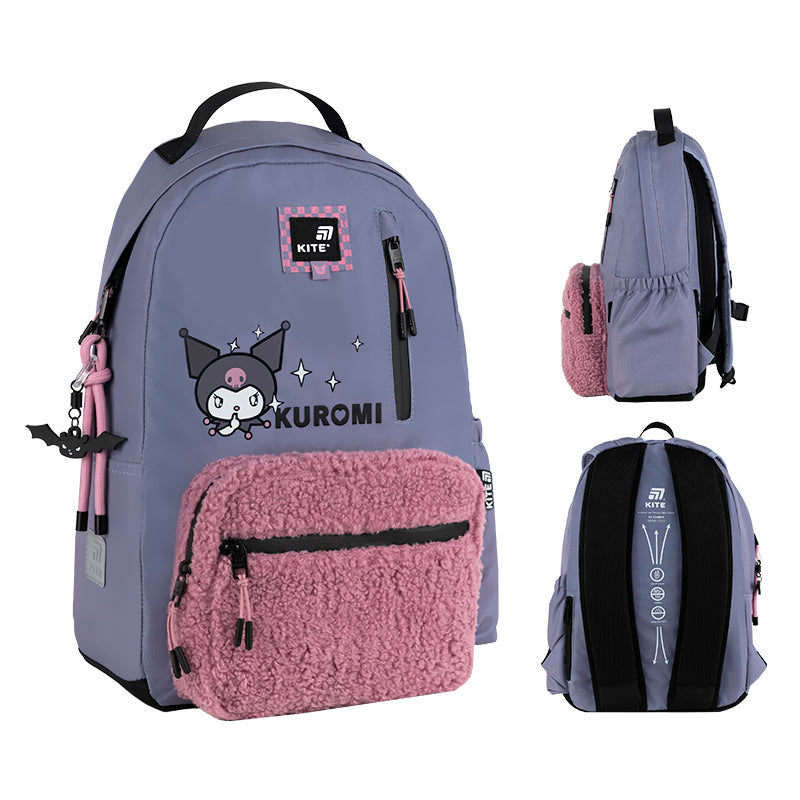
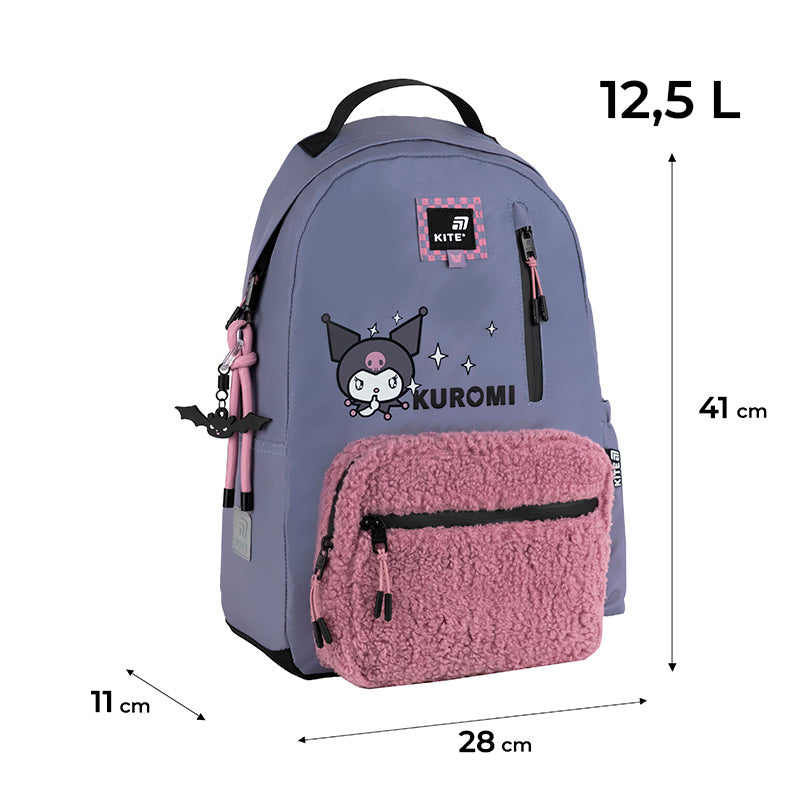
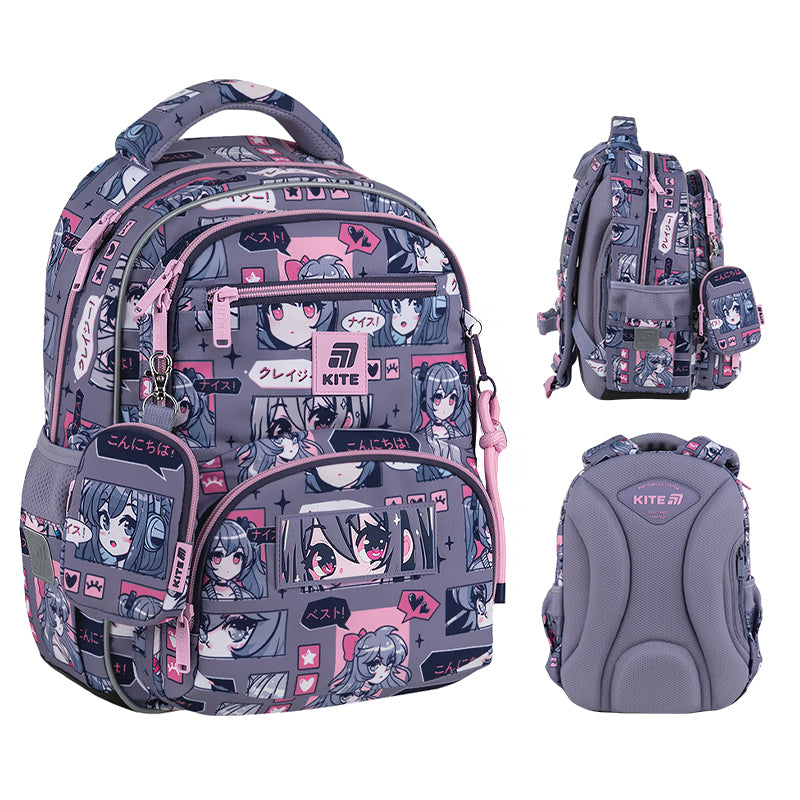
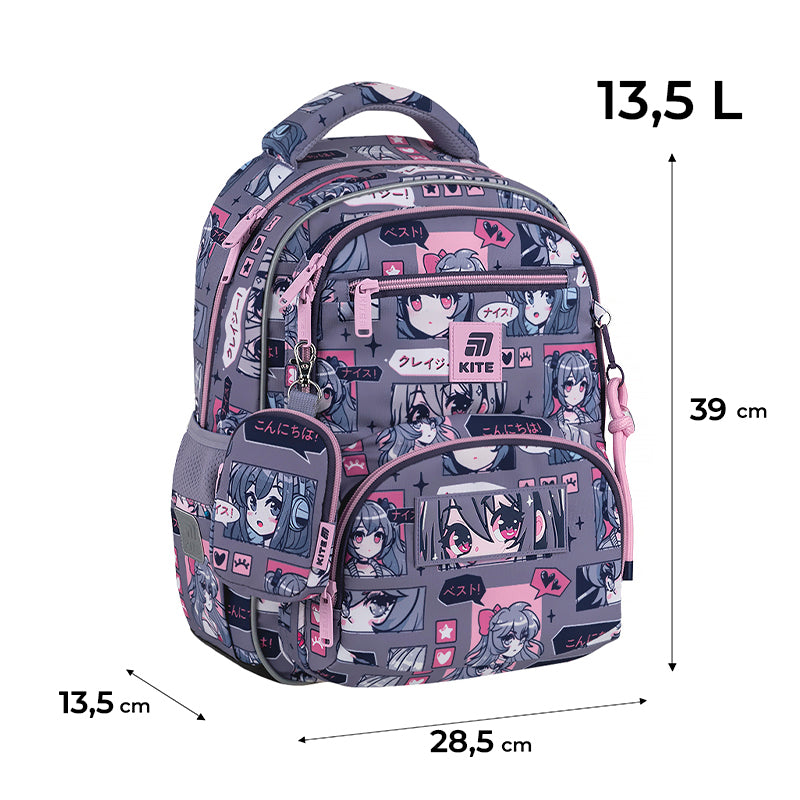
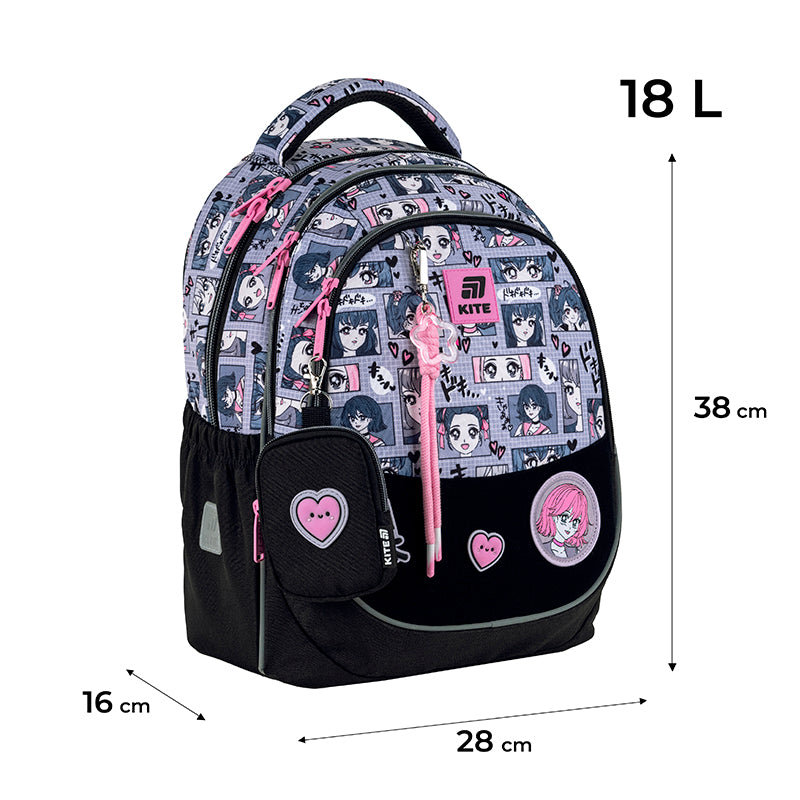
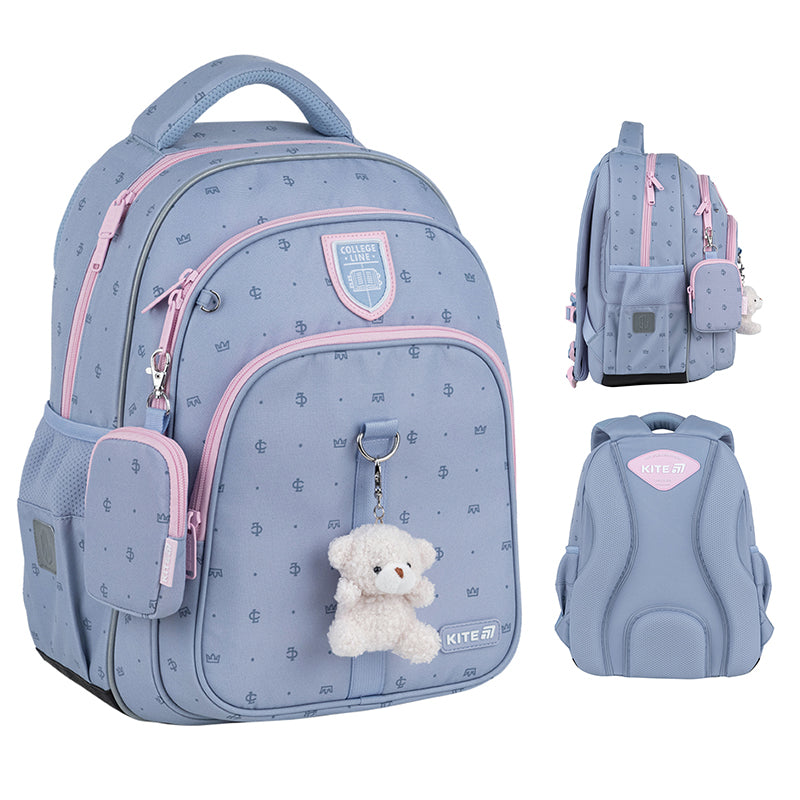
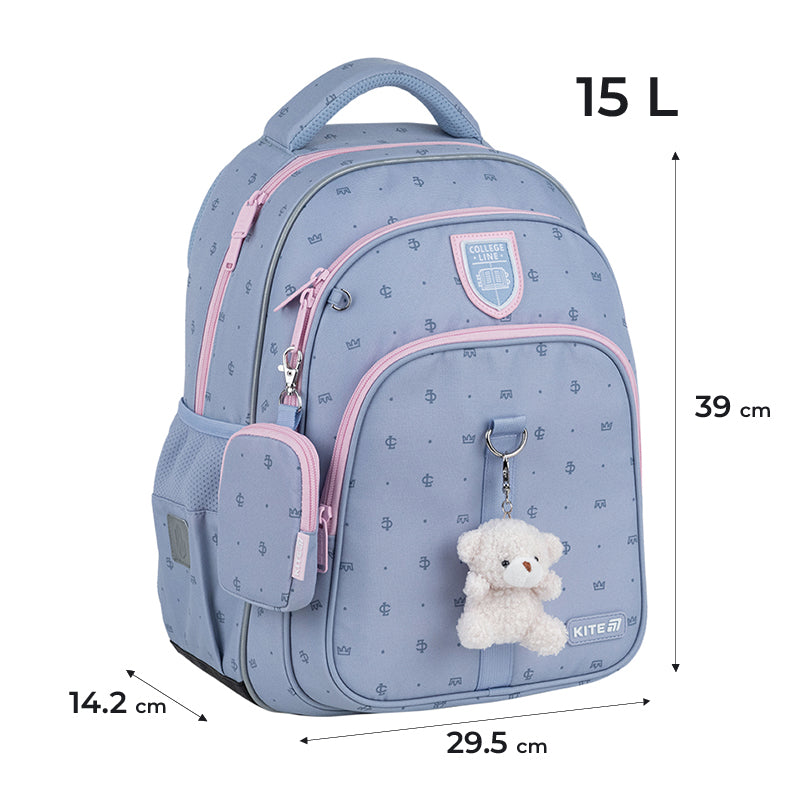
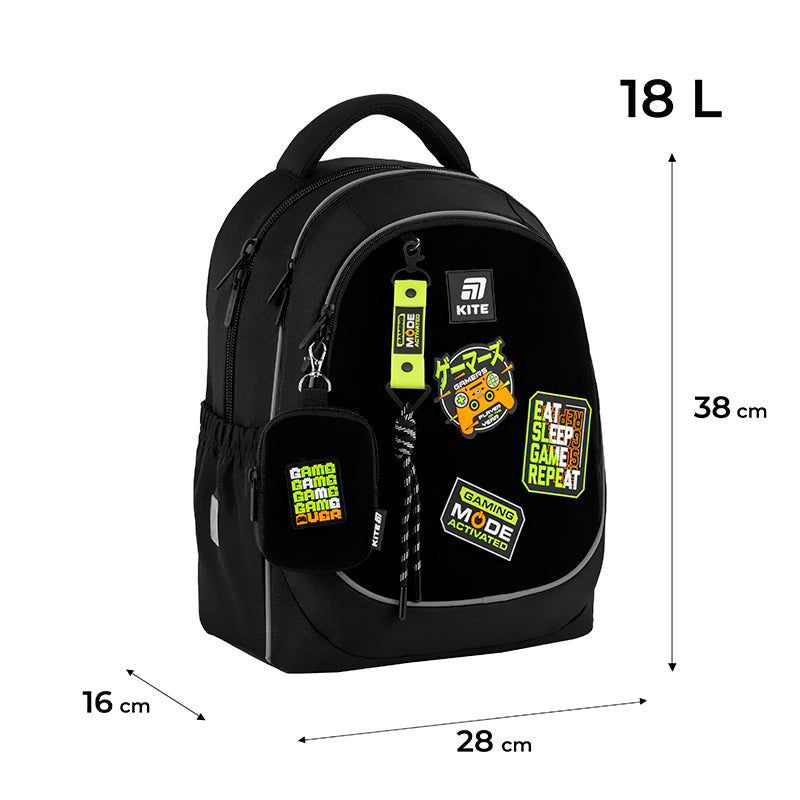
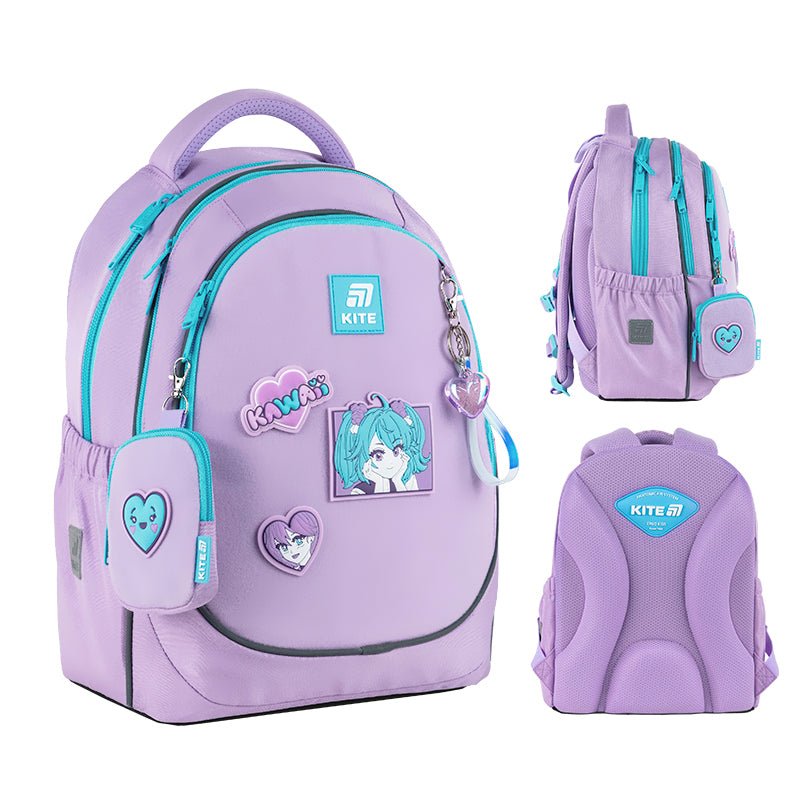
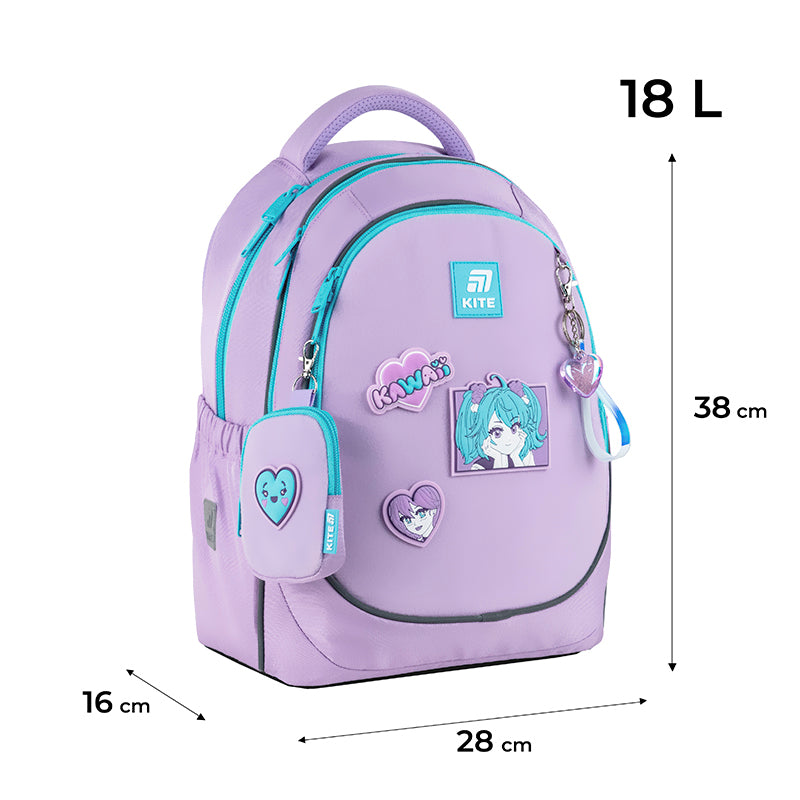
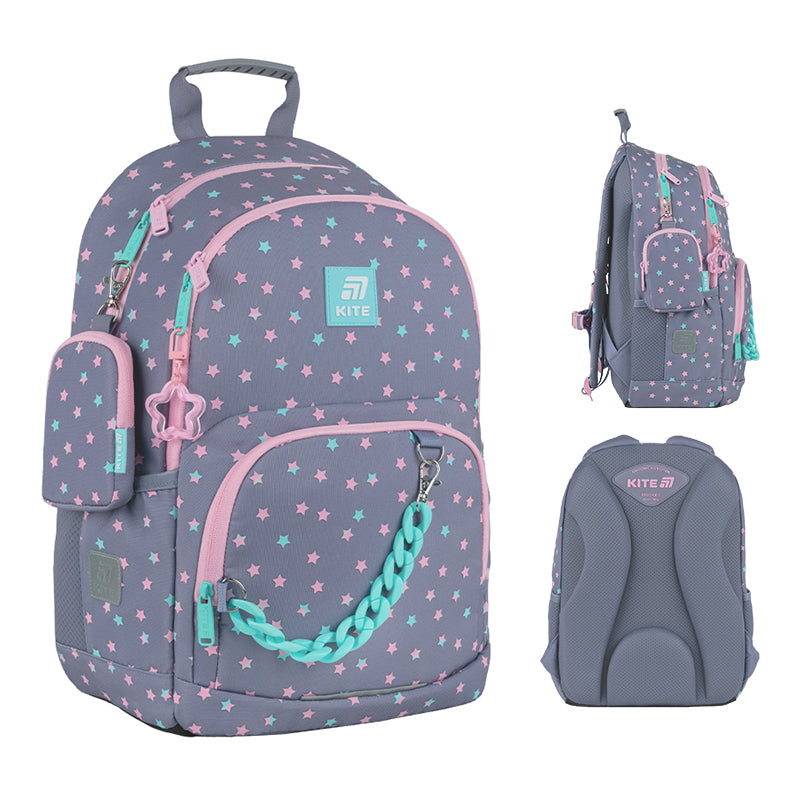
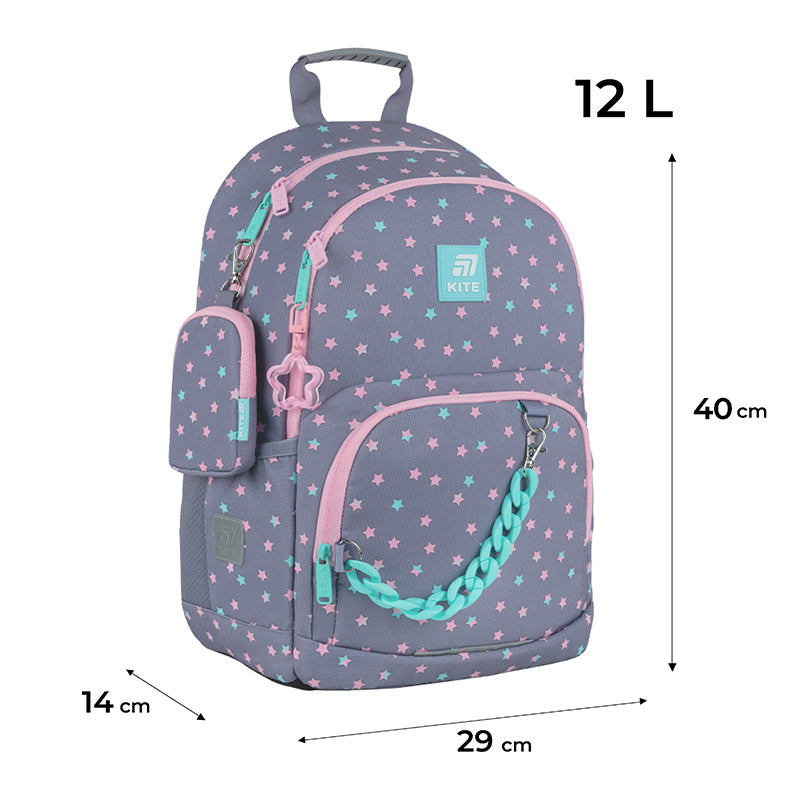
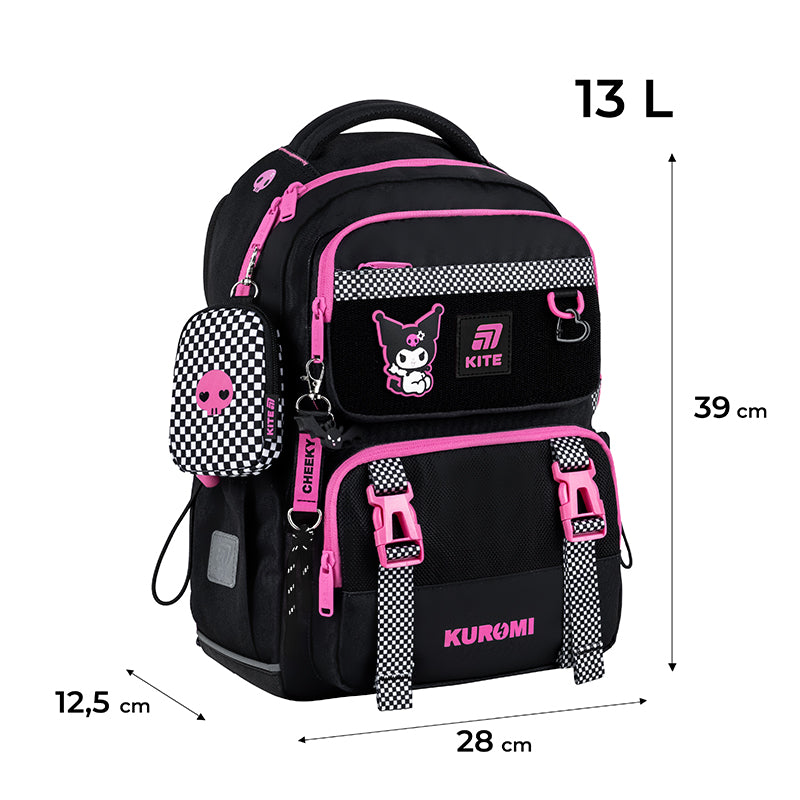
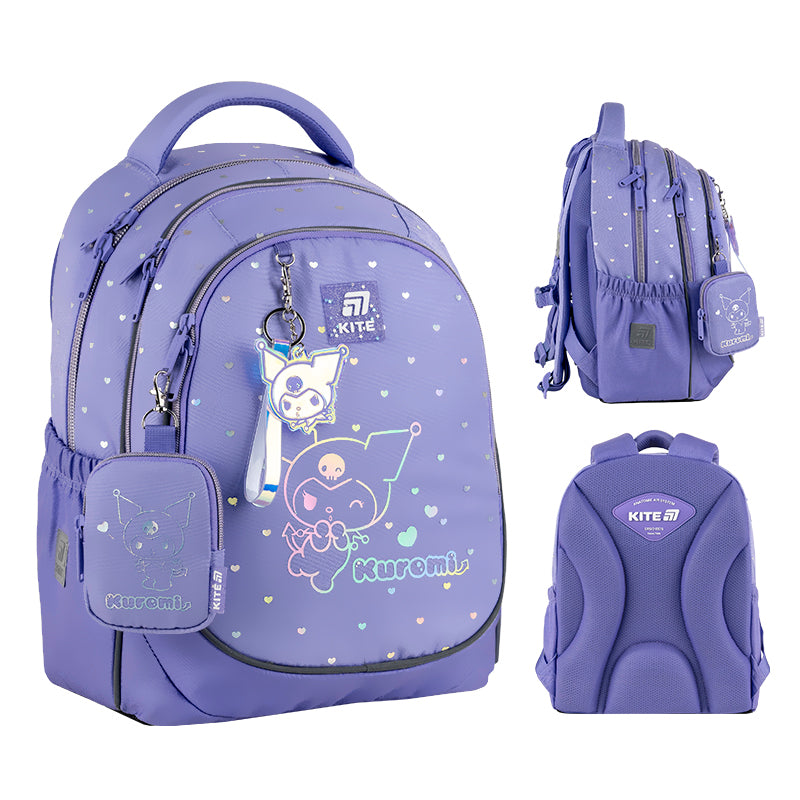
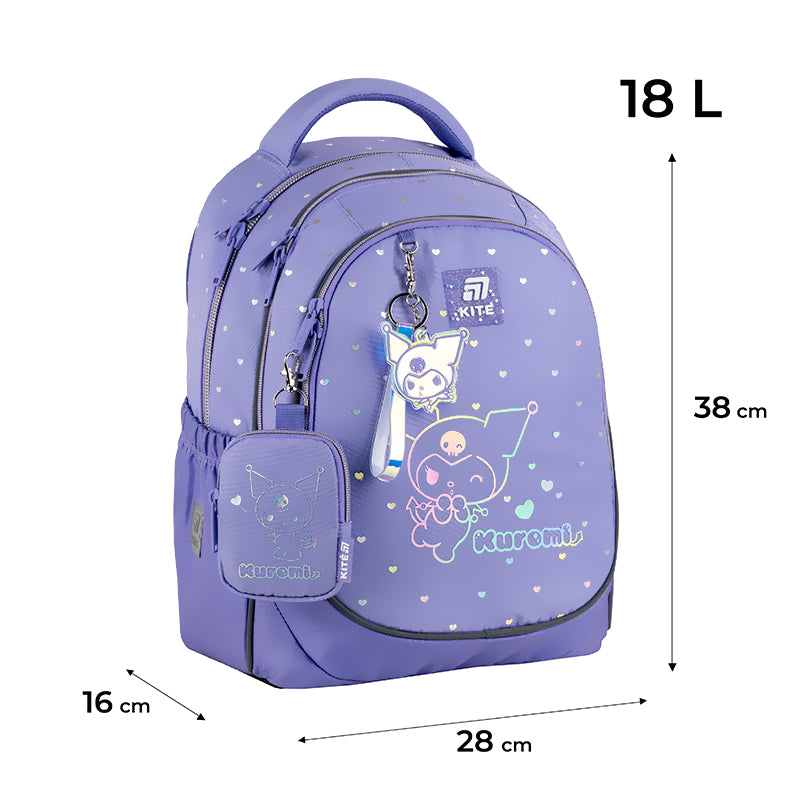
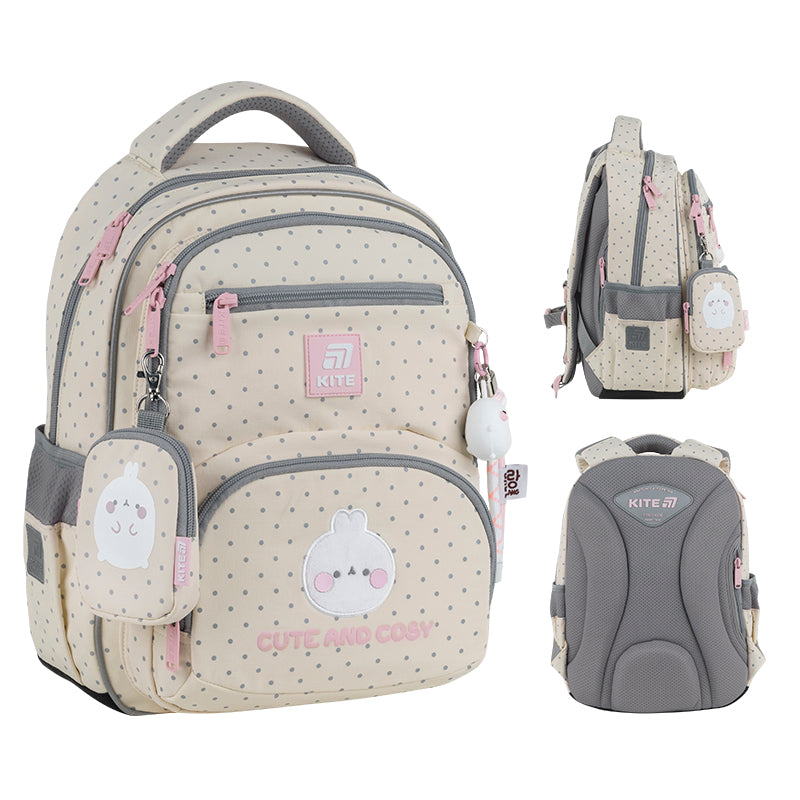
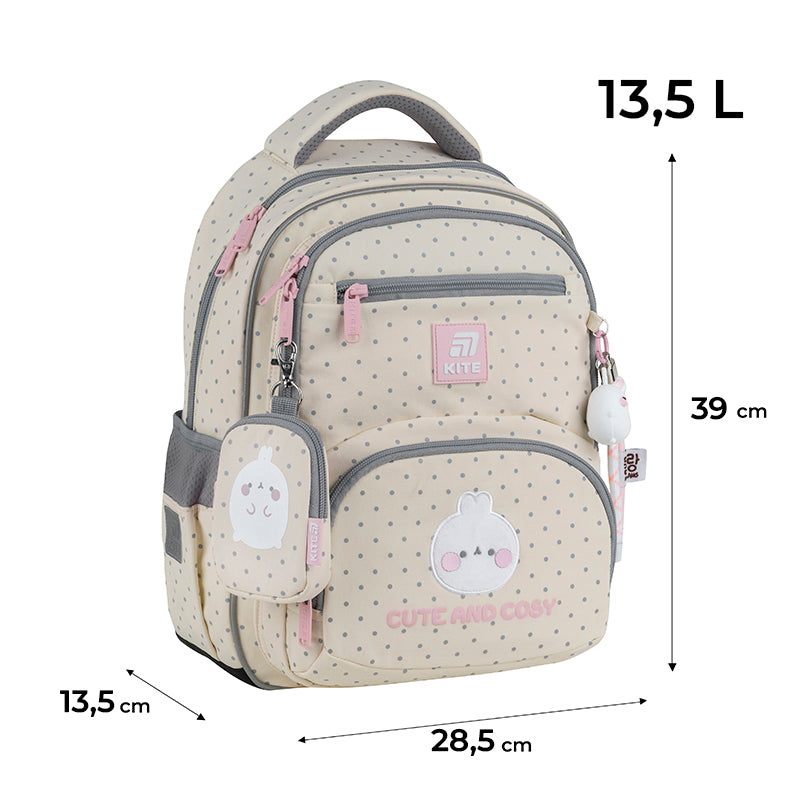
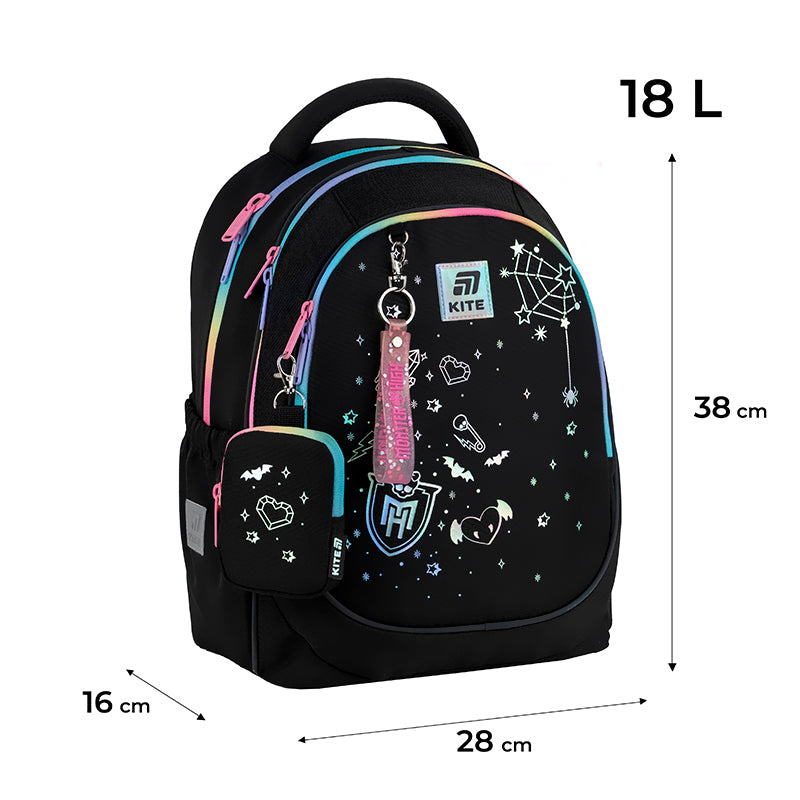
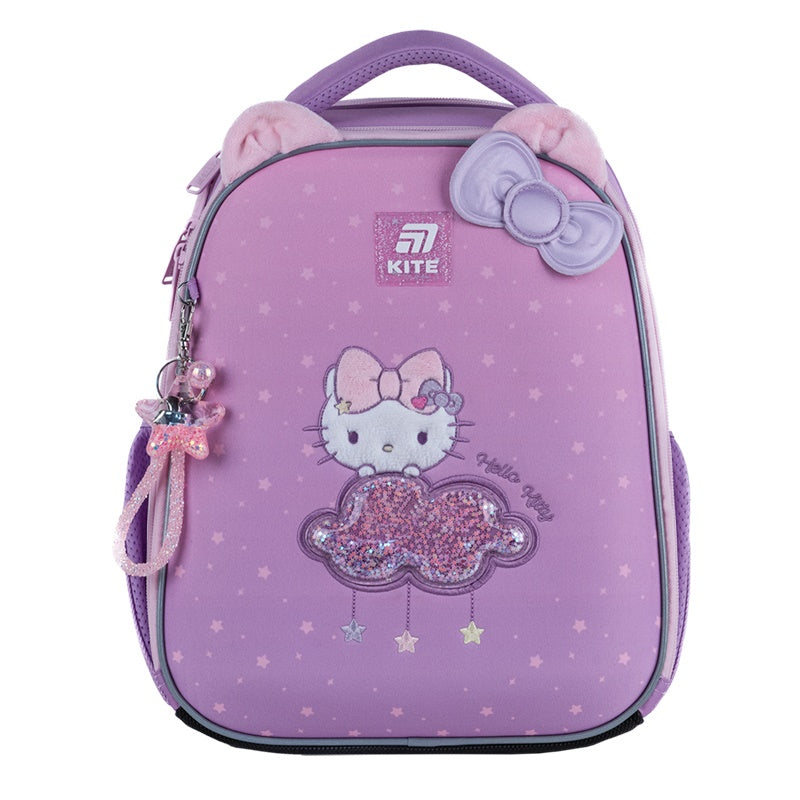
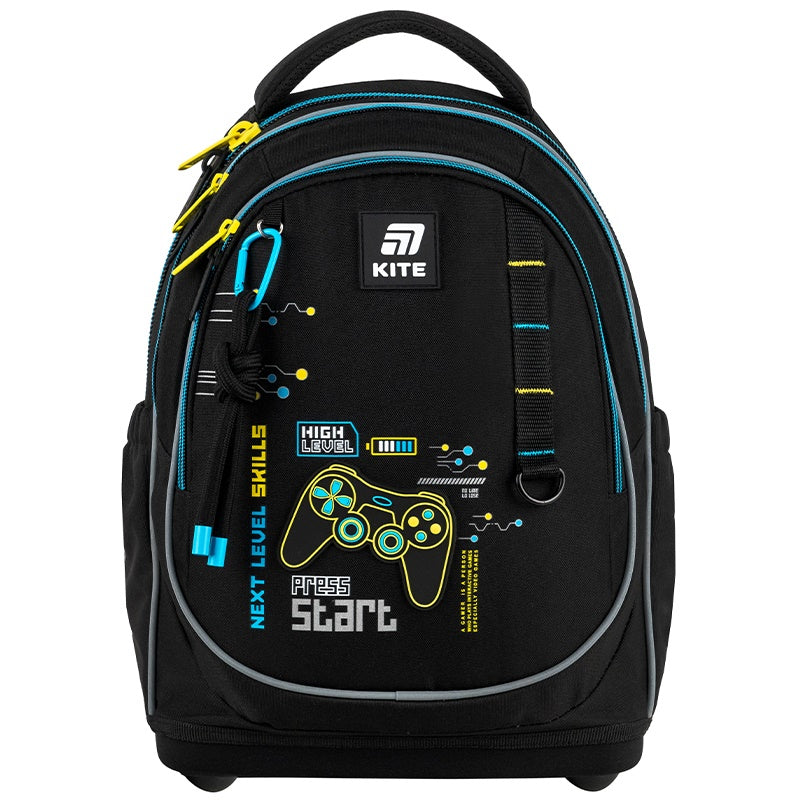
A self-confident child is less likely to become a victim of conflicts and finds it easier to navigate difficult situations. It's important that they not only know they are loved but also physically feel comfortable at school. Pay attention to the details: comfortable clothes, quality stationery, a stylish orthopedic backpack – seemingly small things, but in reality, they contribute to daily comfort and self-confidence. And that's why the Kite brand ensures that every child goes to school with joy.
Useful Tips for Children
- Don't be afraid to talk about your feelings.
- Don't be ashamed to ask adults for help.
- If a storm is brewing, pause, choose silence for a minute.
- Remember: even if you made a mistake, it can be corrected.
Useful Tips for Parents
- Listen to your child carefully, without interrupting.
- Don't devalue their emotions.
- Analyze the situation not from "who is to blame," but from "what can we do."
- Do not judge other parents' children; this only escalates the conflict.
- Cooperate with the school community as partners, not as opponents.
- Create a comfortable "school base": a healthy routine, a comfortable backpack, a neat set in the pencil case (this adds structure and confidence).
- Be a reliable rear guard, but don't solve everything for the child without their involvement.
Useful Tips for Teachers
- Pay attention to the classroom climate.
- Support children in developing emotional competence.
- Separate behavior from personality.
- Give children the opportunity to mend relationships, rather than being labeled "conflict-prone."
- Respond to small signals before they grow into a problem.
- Be open to dialogue with parents.
How to develop self-regulation in children and why it is the key to calmness in any conflict
Self-regulation is the ability to stop in time, even when everything inside is boiling. Children of any age need skills that help reduce tension, collect themselves, and not act on inertia. For toddlers, this gives them the opportunity not to cry over every offensive gesture; for younger schoolchildren, not to respond sharply to sharpness; for teenagers, not to flare up instantly and have a chance to choose a reaction that will not harm them or their relationships.

Self-regulation can be taught through very simple things: breathing pauses, short physical exercises, imaginary "stop signals," the habit of naming one's own emotions. It's best when these techniques are explained through interesting stories and exercises – that way, children don't feel like they are being "taught how to behave properly" but perceive it as part of an adventure. This is exactly how the book "Fukh and Dmukha" works – it was created for children aged 6 and older and their parents in cooperation with child psychologist Natalia Pashko.
It tells a story about air, its inhabitants, and their journeys. Children follow the plot, learn how breathing helps cope with fears, and how to regain lightness. At the same time, they receive simple exercises that calm or, conversely, encourage them. This is a gentle path to developing resilience, which works not through coercion but through curiosity and experience.

School conflicts are part of growing up, not a verdict. They teach children to communicate, stand up for themselves, and find compromises. The task of adults is not to avoid conflicts, but to help resolve them constructively, support the child, and create an atmosphere of trust. And, of course, don't forget: a comfortable little thing like a quality Kite backpack or a favorite pen is another way to tell your child: "I believe in you, you can do it!"