

A day is the same for everyone if measured in hours, minutes, and seconds. A week has 7 days for a footballer from Spain, a cook from Poland, and a teenager from Ukraine. We all have equal amounts of time to fulfill our desires, duties, and dreams.
Everyone has the same amount of time, but the results differ
But what if the measure of a day, week, month, and year wasn't an astronomical unit of time, but the number of useful things done, pleasant moments experienced, and opportunities seized? Then the results would definitely be different for everyone.
The secret isn't in the hours, but in how we use them
Everyone's productivity can vary. We offer a simple action plan to help you build a long-term strategy. This will not only help you be more productive but also preserve your energy and motivation.

Motivate yourself, don't punish yourself
There's one secret in time management: the best plan is the one you don't want to sabotage. The kind that inspires you in real life.
Planning should make things easier, not harder. Sometimes productivity looks like "going to bed on time," because tomorrow your brain needs to work, not catch up on sleep during the first two lessons.
Let's look at 5 things that help maintain a stable rhythm
1. Calendar: when your weekly schedule is in front of your eyes
A calendar isn't just for birthdays or holidays. It works like a big scoreboard: it shows where you actually have time, and where it's already "eaten up" by training, tutoring, or school projects.
How to use it:
- first, add all immutable things: school, clubs, training, family plans;
- then add important deadlines: tests, project submissions, competitions;
- and only after that – "flexible tasks": reading, reviewing topics, preparation, ordinary walks to get some fresh air or "beat nettles with a stick."
Life example: Imagine a math test on Friday. If you see this in your calendar on Monday, you won't have to "cram math" the night before the test.
Kite wall calendar is a daily reminder that you control your time, not the other way around.

2. Planner-diary: a place where thoughts turn into actions
The calendar shows "when," and the planner answers "what exactly and how."
Try a simple daily system:
- 3 main tasks (which are mandatory and significantly affect your success);
- 2 minor tasks (short but necessary);
- 1 pleasant activity (a TV show, a walk, music, a meeting – something that energizes you).
Why is this important? Because a teenage schedule often resembles an exhausting sprint. A planner-diary helps make the day more predictable and less anxious.
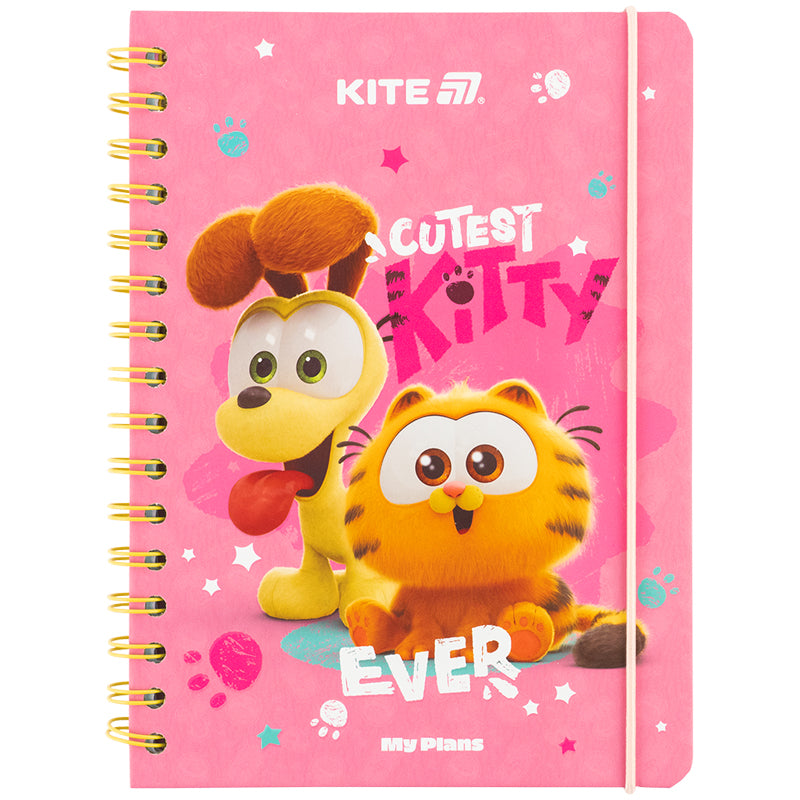
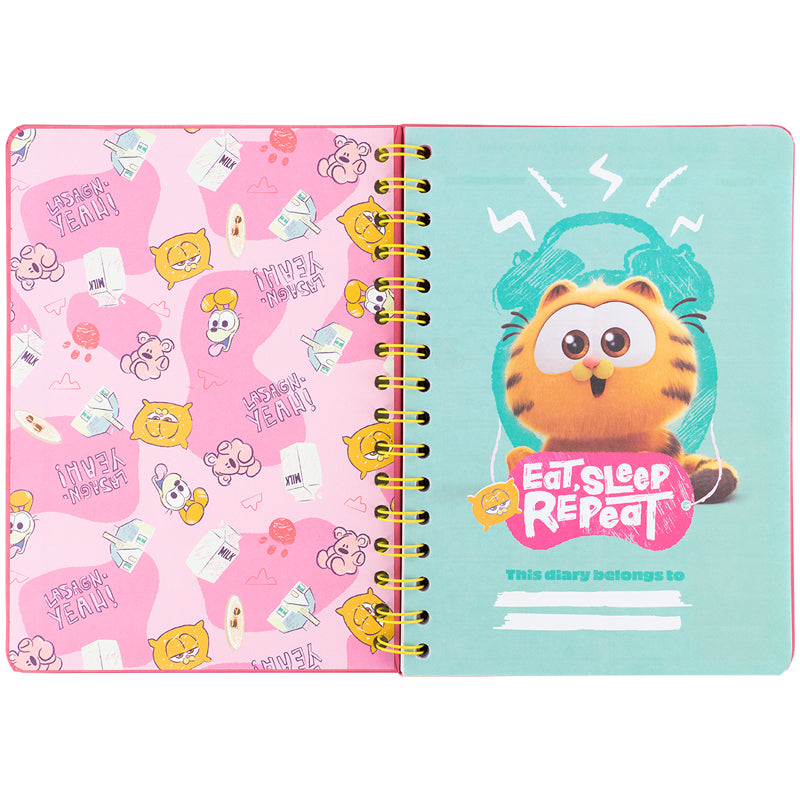
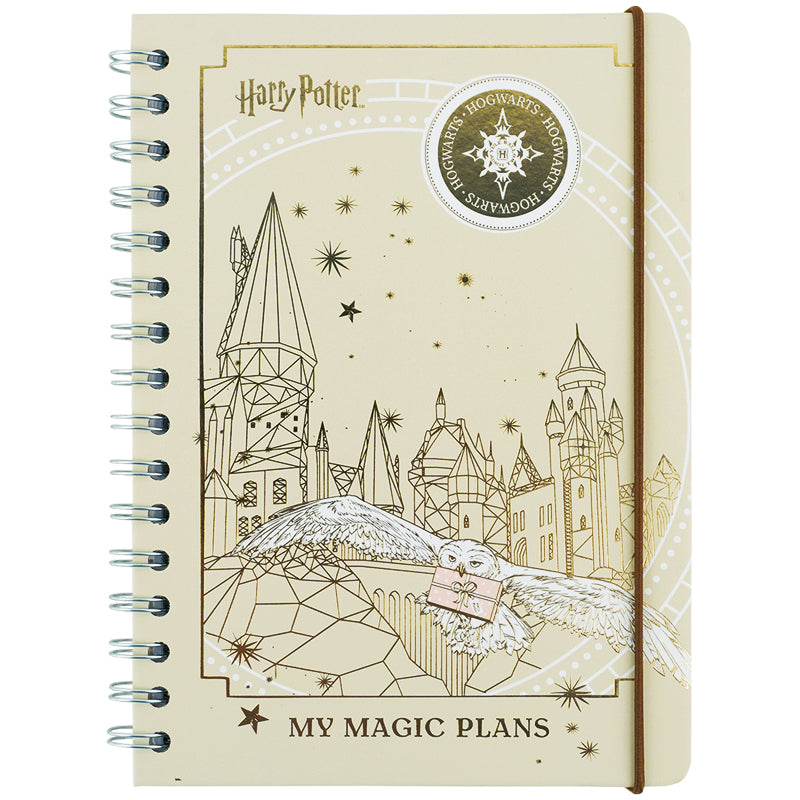
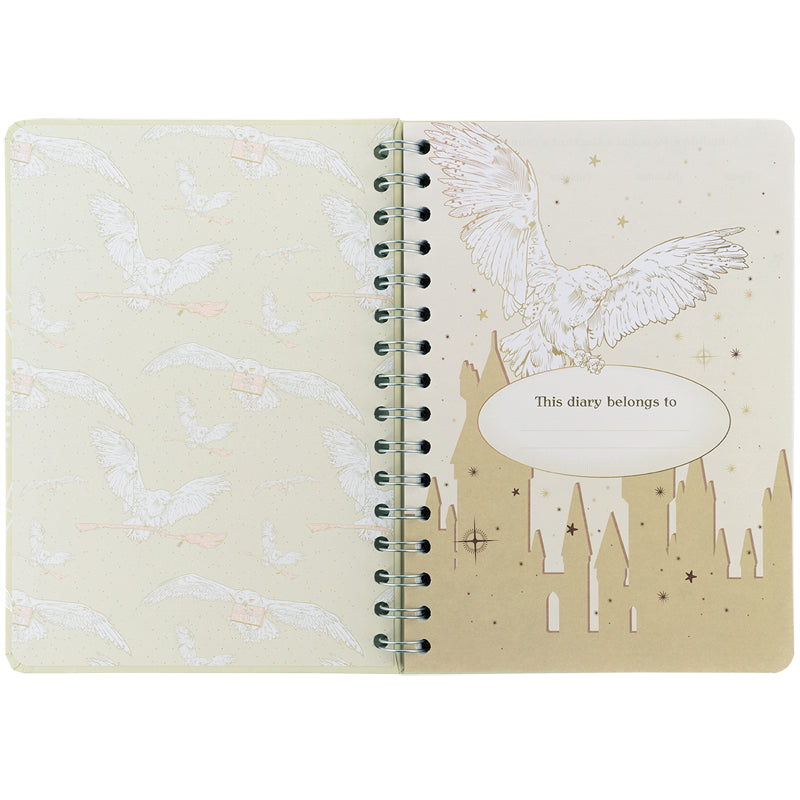
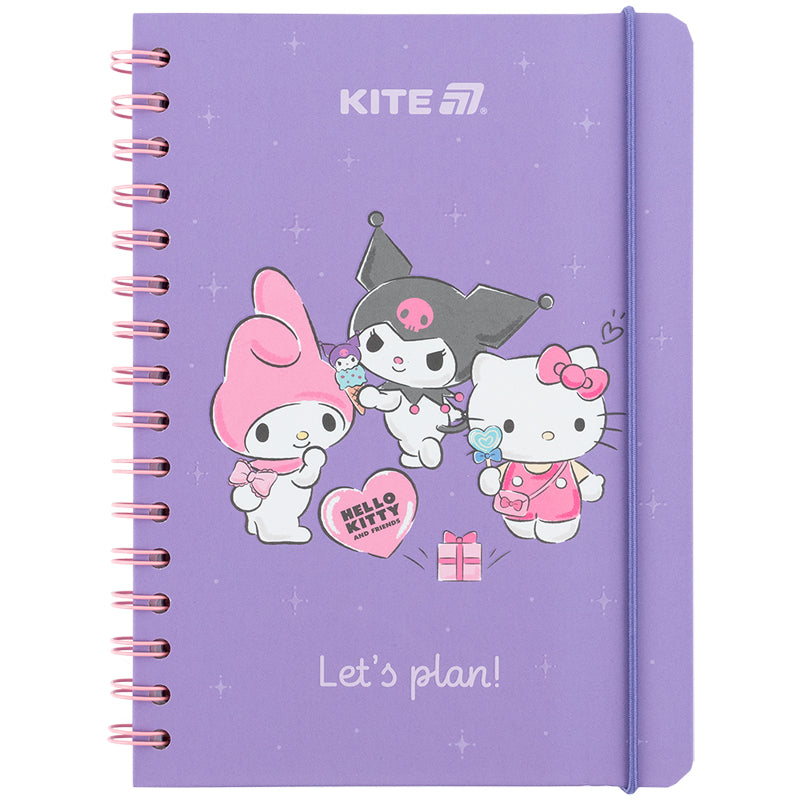
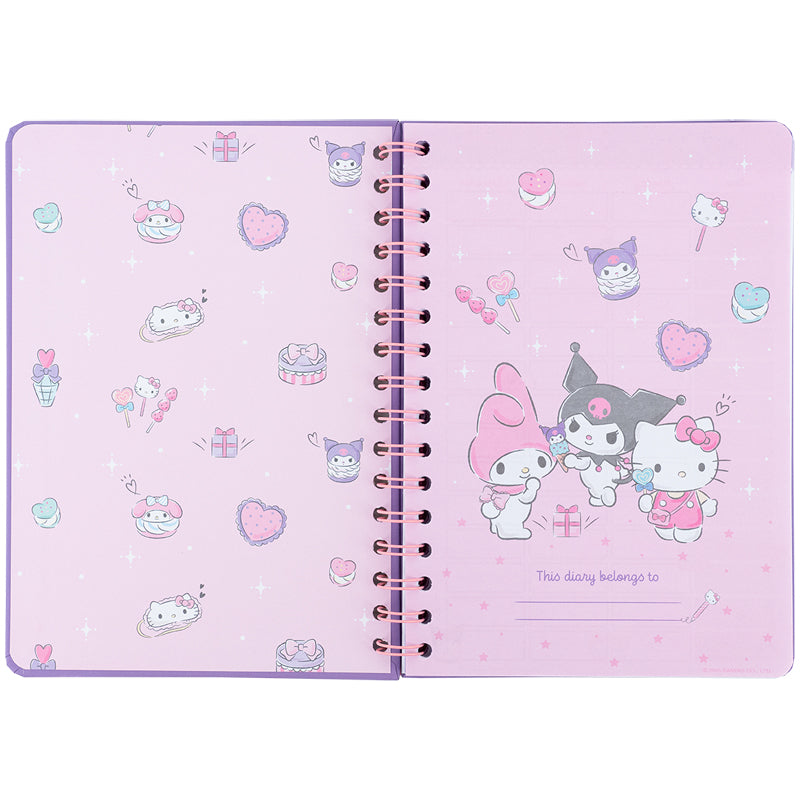
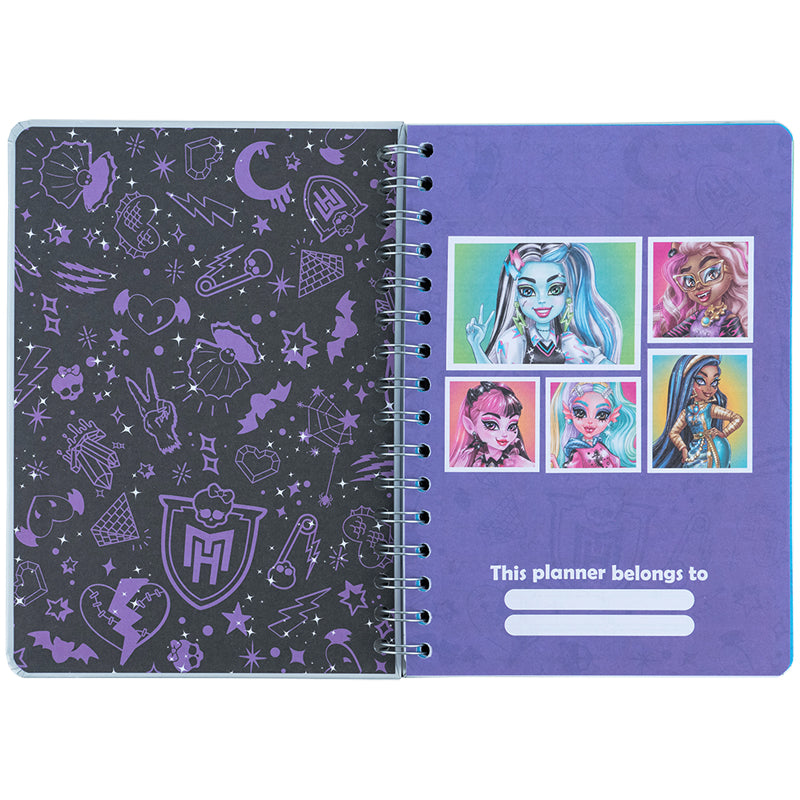
When you have a convenient and aesthetically pleasing Kite planner, planning becomes your ritual.

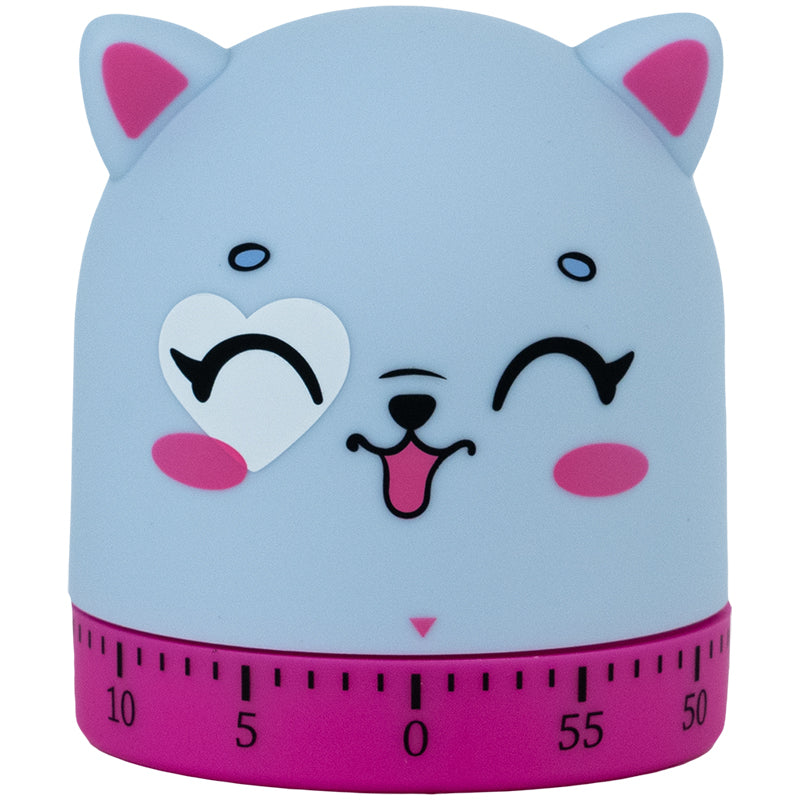
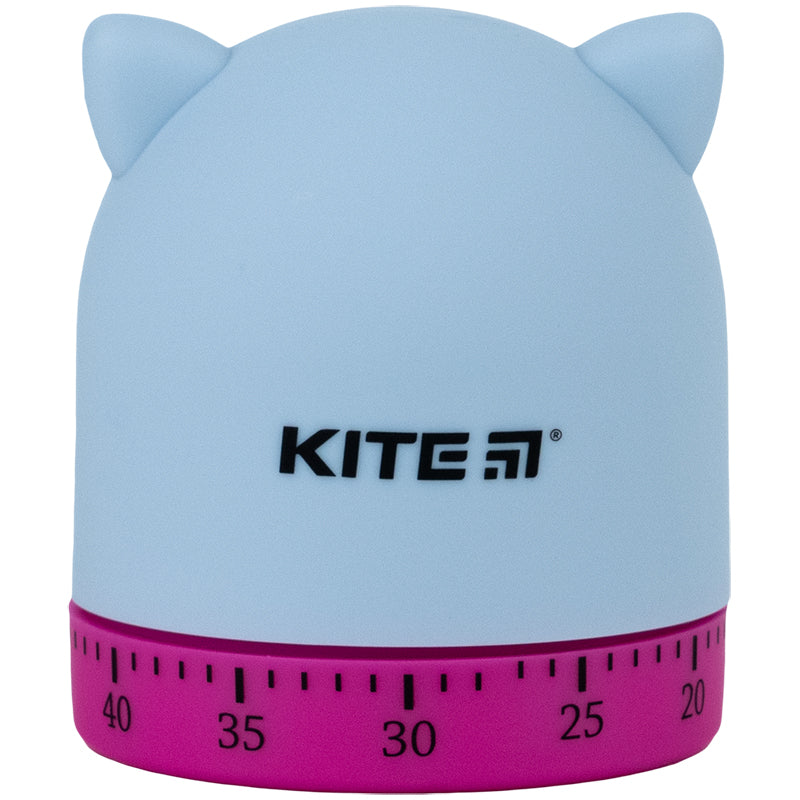
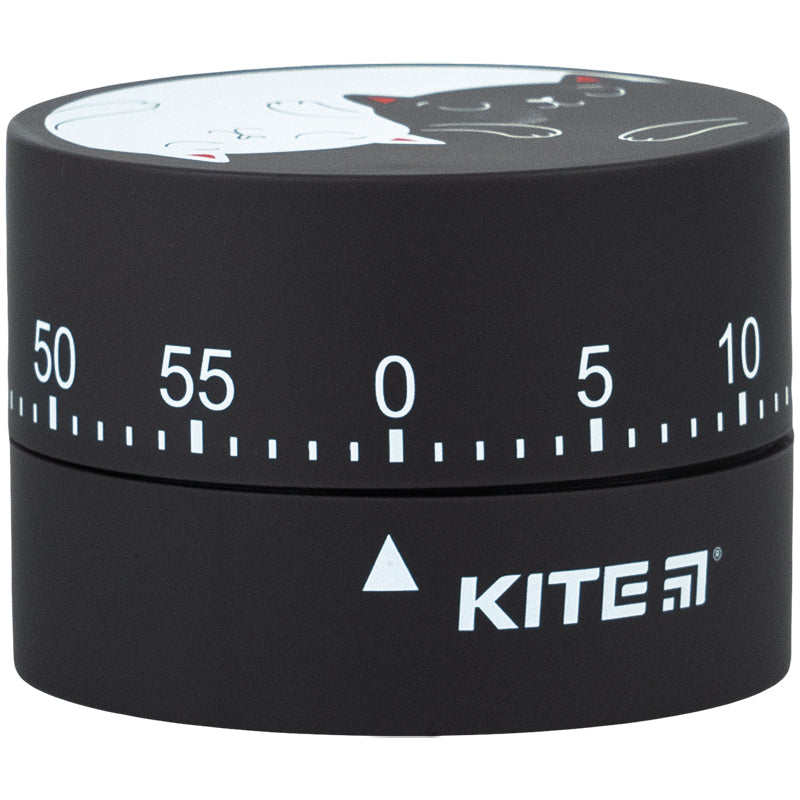
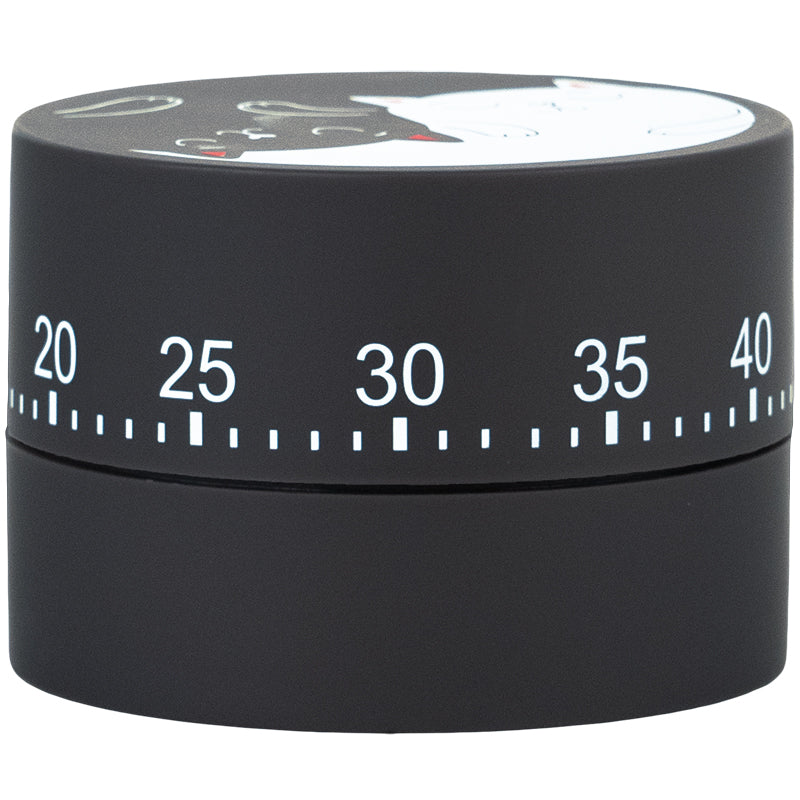
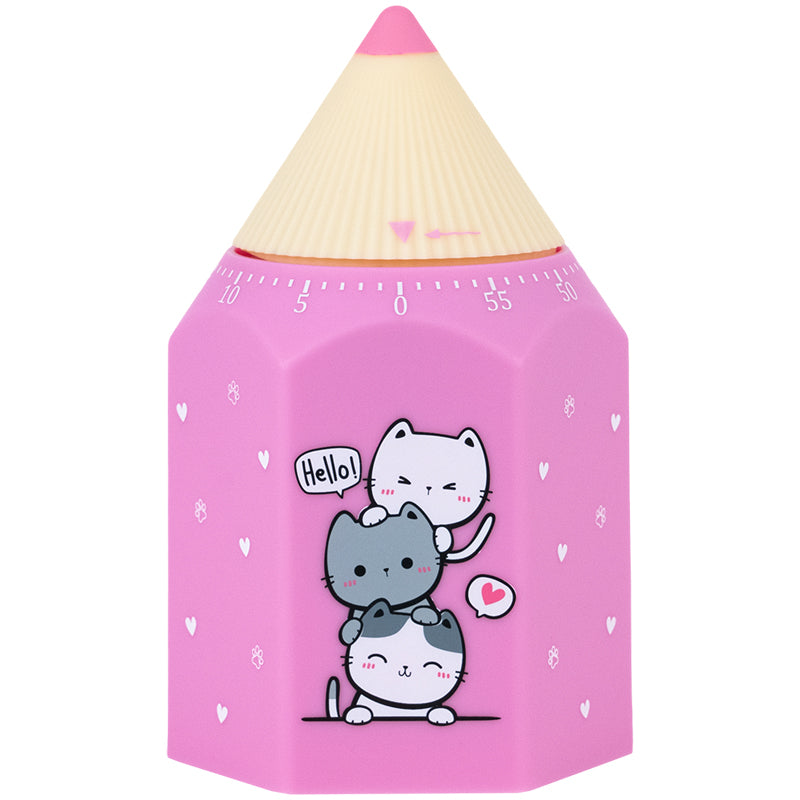
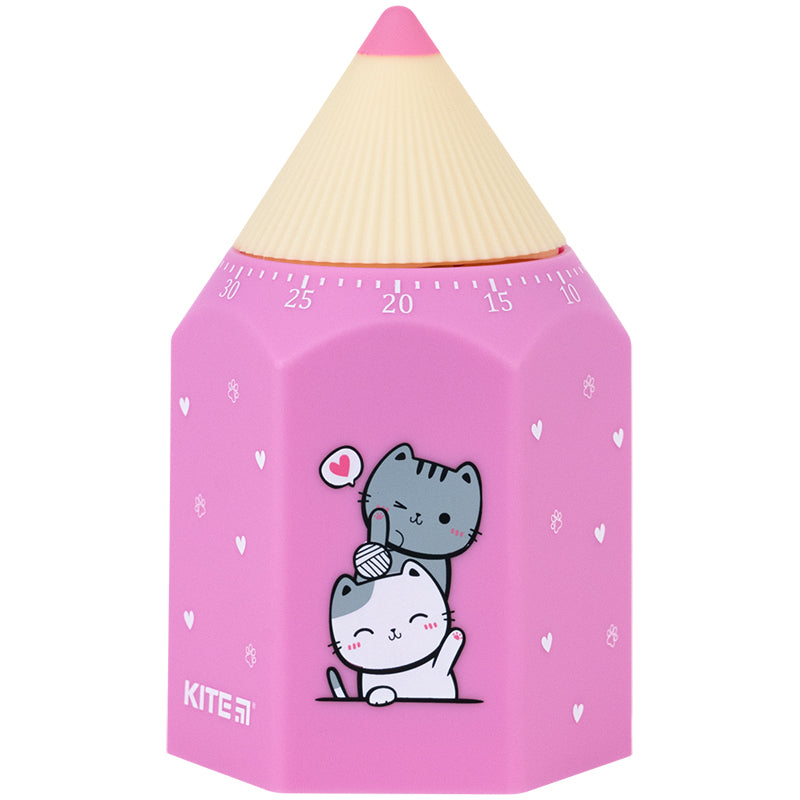
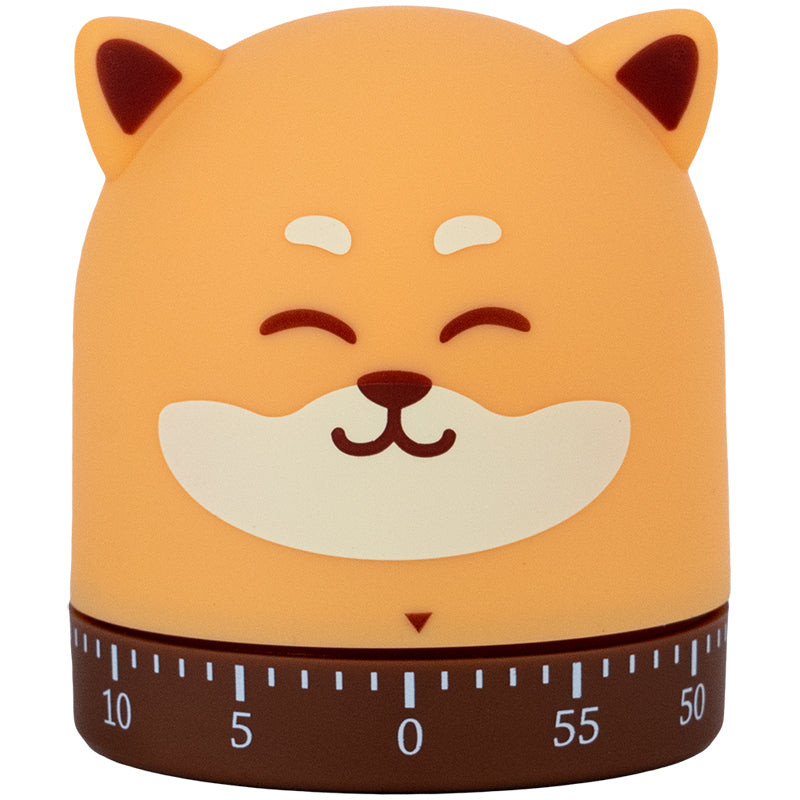
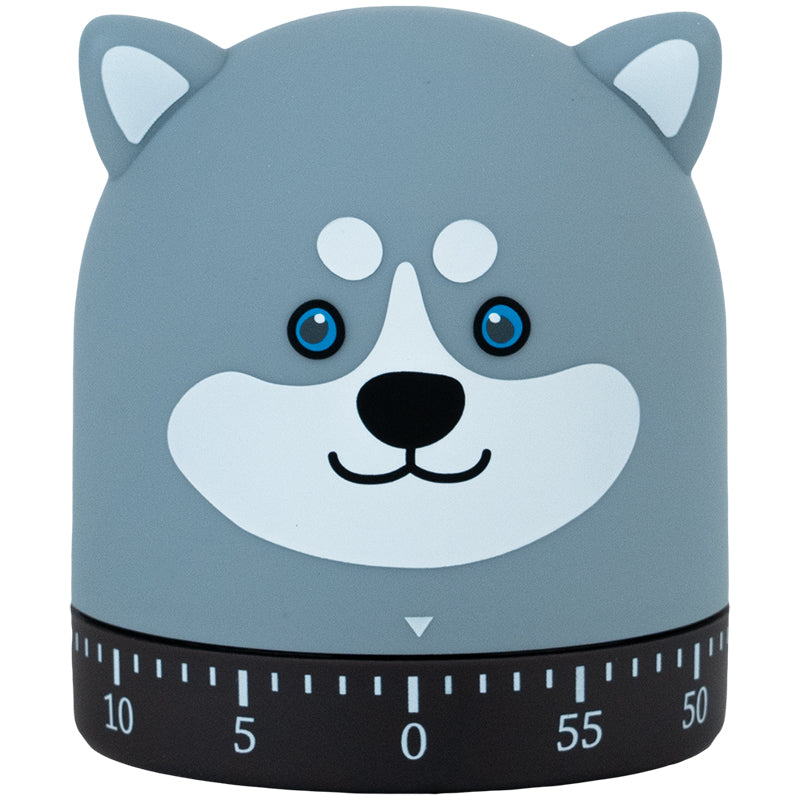
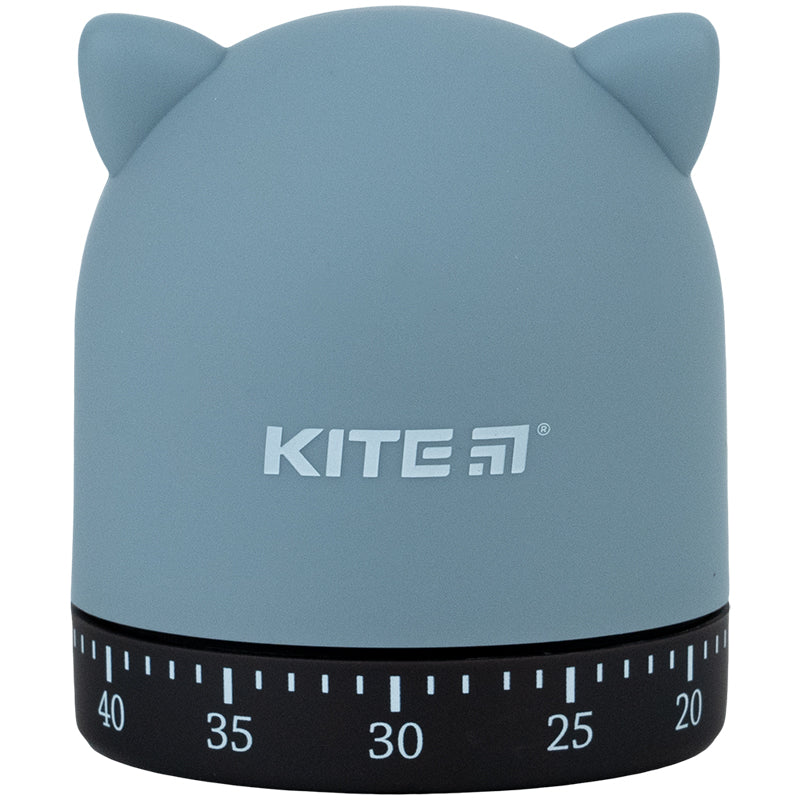
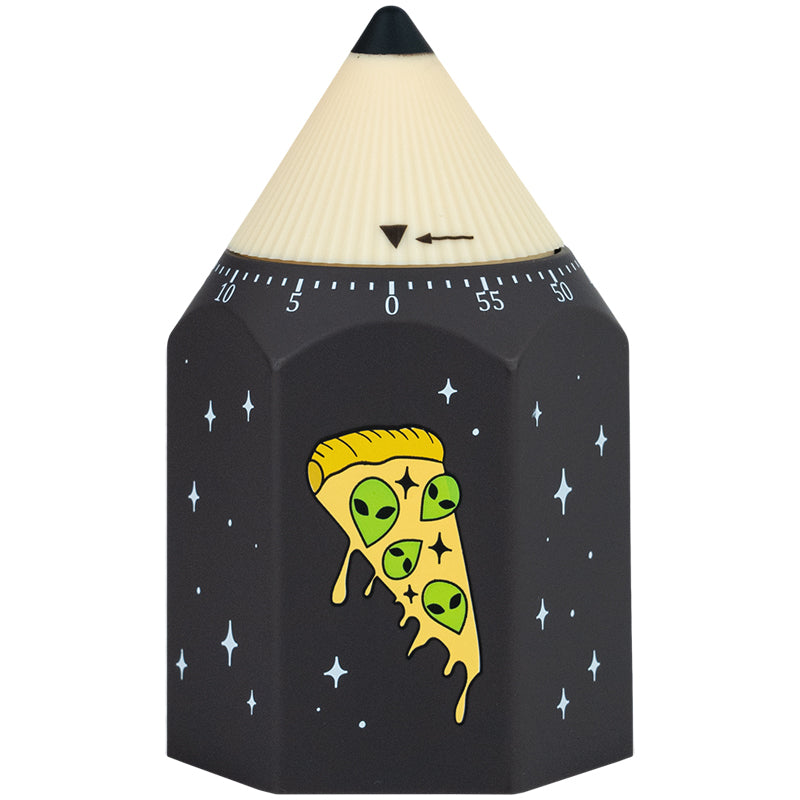
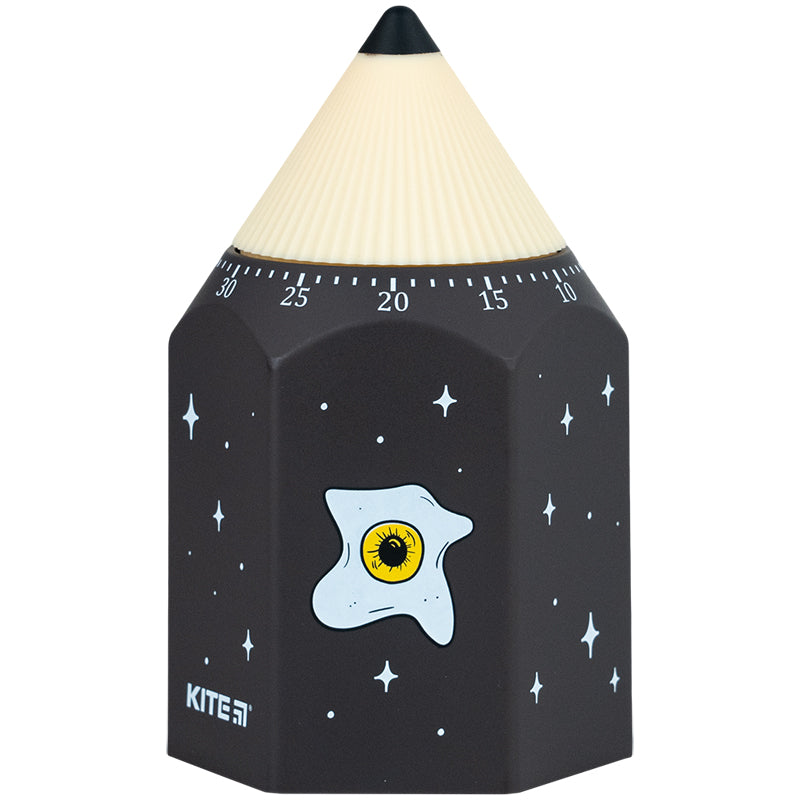
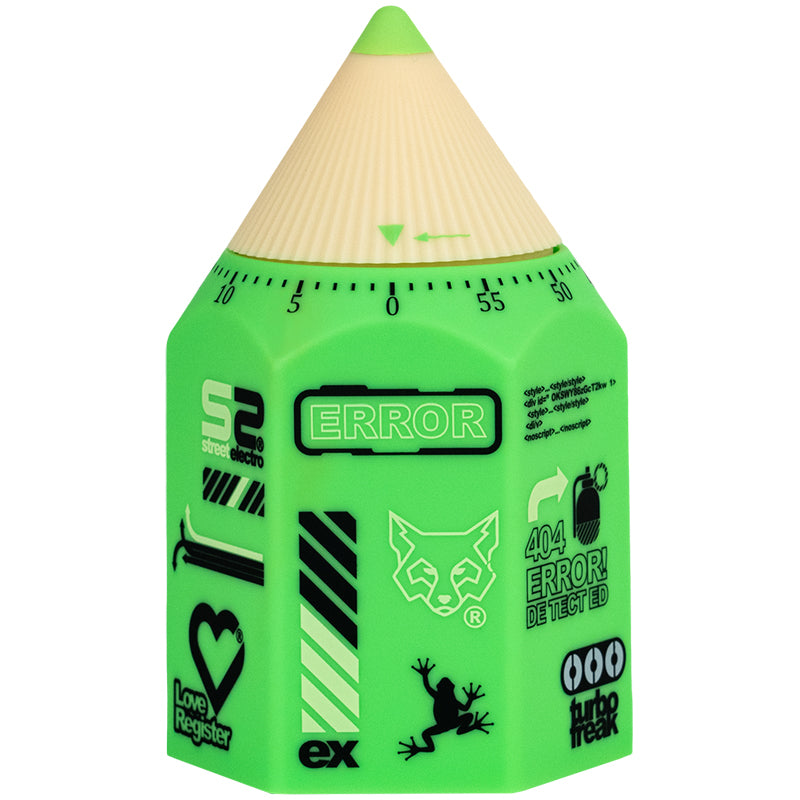
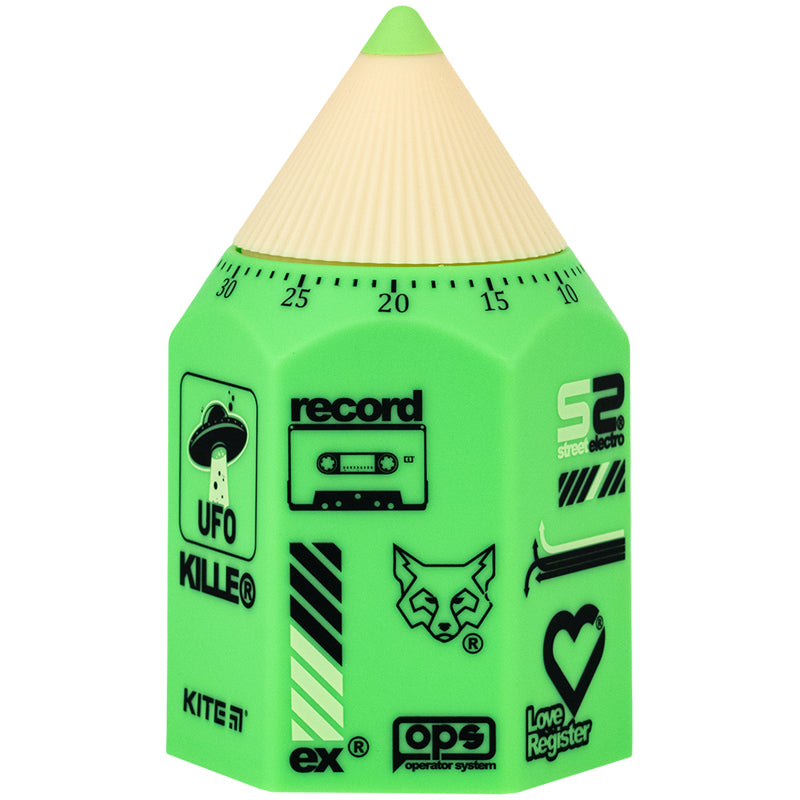
3. Clock + mechanical timer – for focus
Motivation comes after starting, not before. Often the biggest barrier is to sit down and begin. This is where a timer saves the day.
The "clock + mechanical timer" duo works ingeniously simply:
- set the timer for 15–25 minutes;
- work only on one task;
- the bell rings – and you have the right to a short break.
Just like in sports: no one starts a big marathon without proper preparation. They start with warm-ups and regular training.
Example: You need to write an essay. It sounds like "an eternity." But 20 minutes is just 20 minutes. In that time, you can outline a plan and an introduction. Then another 20 – one paragraph. You won't notice how the full text gradually appears.
A mechanical timer doesn't distract with notifications like a phone. It doesn't ask for "5 more minutes of scrolling." It honestly measures your focus and helps you keep the promise you make to yourself.

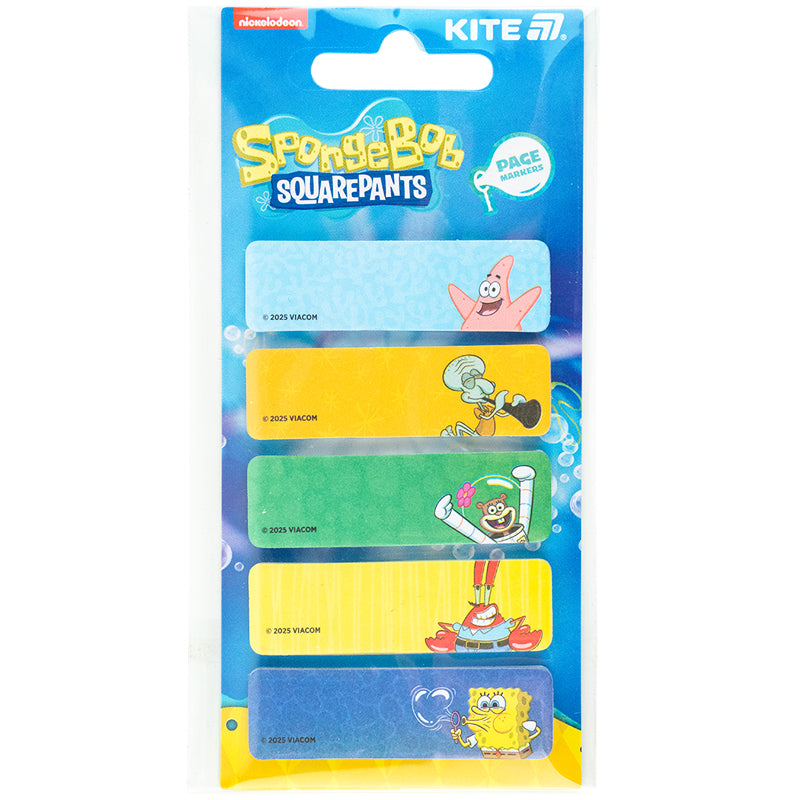
4. Stickers, colorful highlighters, sticky notes, bookmarks = visual order
The brain responds very well to visual cues. Colors, notes, short captions simplify the path.
How to use them so it doesn't turn into "pretty but useless"?
- stickers – for short reminders;
- highlighters: highlight only key definitions, formulas, dates in your notes;
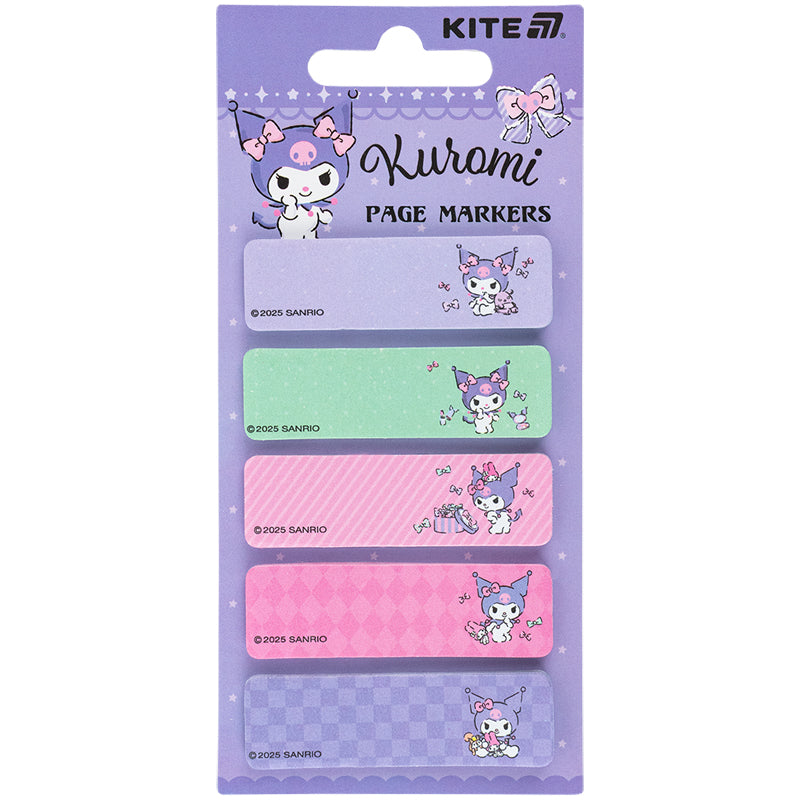
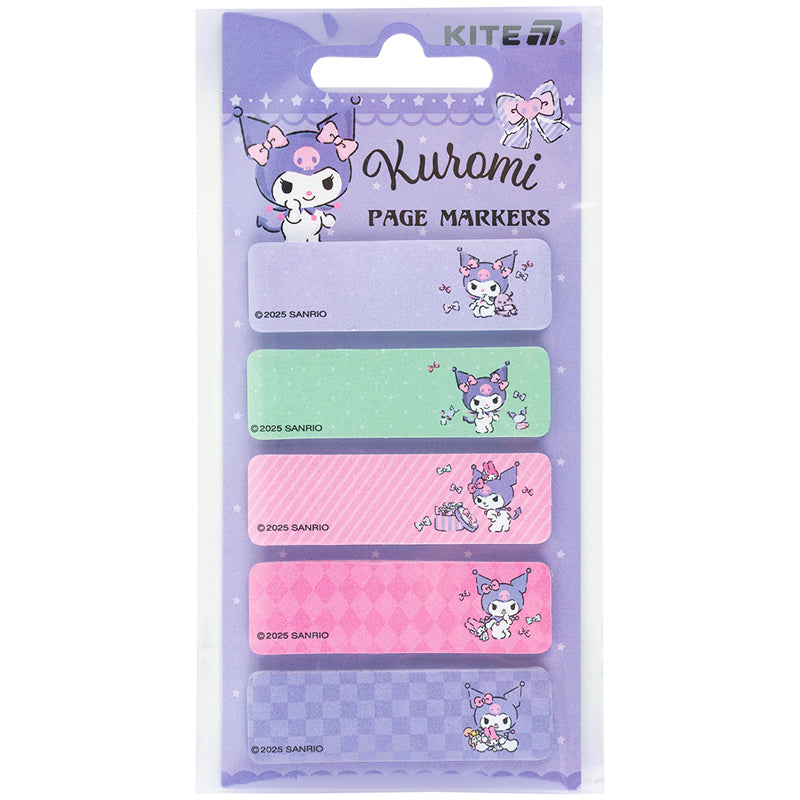
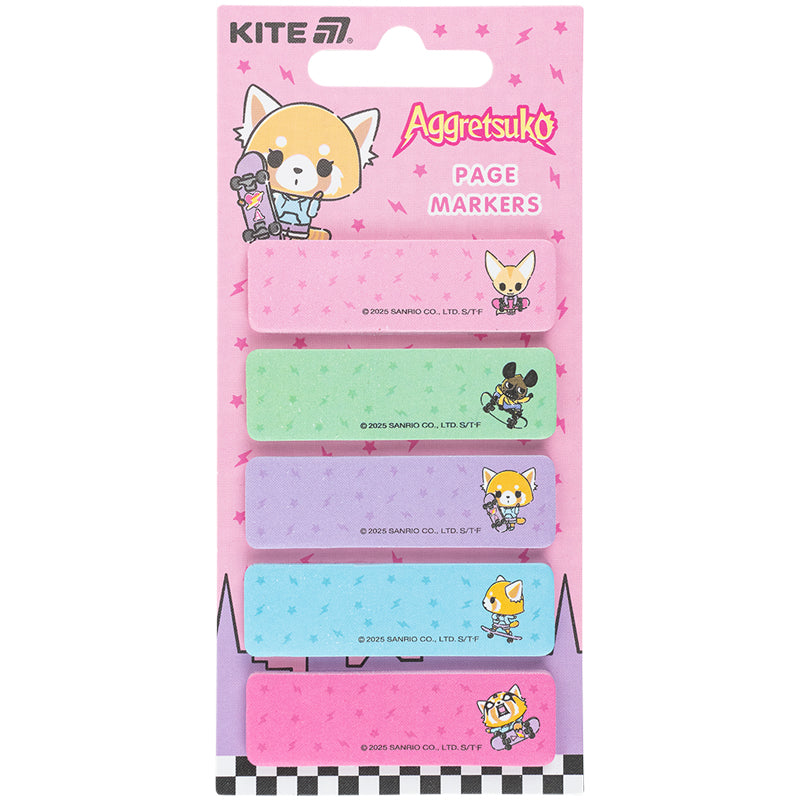
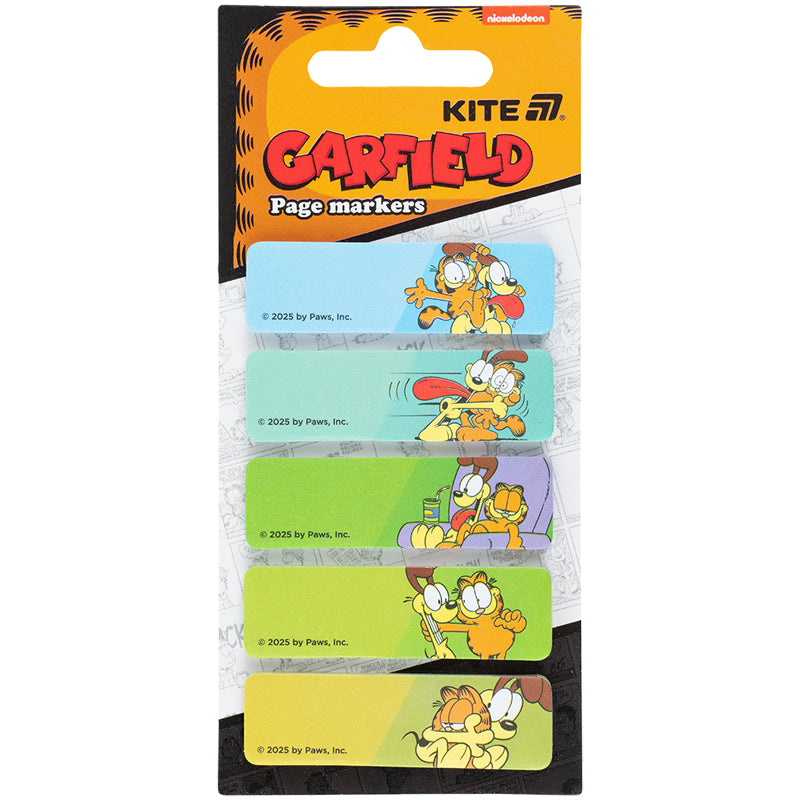
- bookmarks – for textbooks and notebooks: to avoid wasting energy searching.
Example: If you're preparing for a history test, take three colors:
- yellow – dates;
- green – personalities;
- pink – causes and consequences.
And you'll read your notebook like a map, not a continuous text. It's easier and faster to learn that way.

5. Organizers, storage baskets, waste containers: time cannot exist without space
There's a hidden time thief that we underestimate: chaos on the desk and in the room. It doesn't just eat up minutes searching for things – it eats up attention. Because the brain sees disorder and seems to get a signal: "it's complete chaos here," it freezes from visual overload: error... error... error. Something similar happens to opening dozens of tabs simultaneously when the browser can't handle the load and just shuts down.
The simplest solution:
- a cup or stationery organizer (pens, pencils, scissors – so they don't wander all over the room);
- a paper tray (drafts, printouts, drawings);
- a small container for tiny stationery waste on the desk (it will definitely come in handy for used stickers, pencil shavings, and other small items).
Example: You sit down to do homework, but spend 7 minutes looking for a pen, then another 5 for a notebook, then get annoyed... Organizers make starting easy. And an easy start = a better chance of finishing the job.

Practical weekly plan in 30 minutes (schematically)
Sunday (or any evening that suits you). You do a quick overview – like a ship's captain: where are we sailing this week and where might the waves be.
Step 1. Open your calendar and mark:
- school, clubs, training;
- important events (tests, project deadlines, birthdays);
- things you definitely can't move.
This is to see that time exists, it's just divided into segments. And once you see that, it's easier.
Choose one color for mandatory tasks, another for pleasant ones. Because a week with only "must-dos" motivates no one.

Step 2.
Now – the planner-diary. Don't try to detail every minute immediately.
Next to each task, write not "do," but the first step. Not "prepare for biology test," but "read §12 and write down 7 terms." Not "write an essay," but "jot down 5 theses." After all, the brain likes specifics.

Step 3.
Break down big tasks with a timer and stop fearing them. The clock + mechanical timer combination really helps here.
The "micro-steps" principle for the week:
- if a task is large, plan 3 approaches of 20–25 minutes each, rather than "the entire Wednesday evening";
- set the timer and honestly work for those 20 minutes;
- stop, even if you "could do more" – this will leave a feeling of lightness and a desire to continue tomorrow.
This, by the way, is a super help for motivation: not the heroism of "I'll do everything now," but the smart rhythm of "I'm moving steadily."

Step 4.
Once you have a plan, make it visible and convenient. Stickers are for things that are easy to forget:
- take your uniform,
- gather materials for art class;
- return a library book.
Don't turn your room into a bulletin board – keep it to 3–5 important stickers.
Colorful highlighters – for bright learning:
- highlight only key points (1–2 lines per paragraph, no more);
- use conventional colors: for example, formulas – one color, terms – another;
- if you're preparing for a test, a highlighter = "I know exactly what to study," not "I highlighted everything, now the notebook glows."
Bookmarks – for speed:
- a tab where the current topic is;
- a tab on a page with rules or formulas;
- a tab on a list of literature or assignments.
These are small things, but they save a lot of energy.

Step 5.
Tidy up your space: use organizers, storage baskets, waste containers. This isn't a general clean-up, but the implementation of a system.
The focus is that order makes starting easier. When the space is ready, it's easier for you to accomplish what you've planned.
When planning, consider:
1) Buffers.
At least 2–3 "windows" per week of 30–60 minutes. This is time that will save you when something goes off plan.
2) One evening without homework (or as light as possible)
Your brain gets timely rest, not overwhelmed by the daily "catch-up marathon."
3) Small joys every day
An episode of a TV show, a walk, tea with cookies, a chat with a friend, music in headphones – anything you love.
And most importantly: if you get off track somewhere, don't worry. The plan should help you, not cause anxiety. After all, it should serve you, not the other way around.
Choose time management products from Kite.
Because:
Kite: children choose the best