


When there are schoolchildren in the family, you inevitably wonder: is everything alright with the kids at school? Are they revealing their talents? Are they not getting lost in the stream of difficult tasks, tests, and deadlines?
We want to give children the best, because sometimes it seems that without a tutor, a modern child can easily get lost in the school jungle. But let's take a moment to pause, take a deep breath, and look at this issue from different angles.

Tutor: "first aid" or a guide to development?
Let's be frank: sometimes a tutor is truly indispensable. If a child finds it difficult to master material independently, if the curriculum is too complex, or if preparation for important exams is needed, additional lessons can be a real lifesaver. There's no need to doubt or feel guilty. It is absolutely normal and modern to seek help.
But it's important to remember: the best results appear when the tutor works not instead of parental support, but in conjunction with it. Even the most qualified teacher cannot replace the confidence, warmth, and belief you give your child every day. After all, often the reason for difficulties is not only a lack of knowledge, but also a loss of motivation or self-confidence. Your support helps the child not only "catch up" on a subject but also to believe in their abilities again and feel the joy of learning.

Mom's attentiveness: when is a tutor really needed?
Pay attention to your child:
- Does she feel sad about school failures, become discouraged, or not want to go to a subject she once loved?
- Does she often complain: "I don't understand, it's hard for me," even though everything used to go well?
- Is she embarrassed to ask the teacher, afraid to speak out in class?
- Cannot cope with the volume of homework, feels constantly tired?
This is where a tutor can become not just a "grade rescuer," but a good mentor who will listen attentively, explain, support, and restore faith in one's own abilities.
Sometimes the decision about a tutor seems simple: "grades dropped — help is needed."
In reality, this issue is deeper than it appears at first glance.
Let's look at the situation not only through a mother's eyes but also through a child psychologist's.
1. When is a tutor truly needed?
- The child does not understand the teacher's explanations even after additional clarifications at home. This is a signal that the pace or methodology in the class does not suit them. A tutor here is a chance to get an individual approach, calmly "organize everything" at a comfortable pace.
- There is a lag in the program due to illness, relocation, or changing schools. In such cases, additional classes will help quickly "catch up" with the class, avoid stress and feelings of inferiority.
- The child is preparing for important stages (NMT, Olympiads, entrance exams). Here, a tutor will help systematize knowledge, develop self-study skills, and self-confidence.
- Your child is an introvert or too shy in group settings. Individual lessons can relieve tension and allow them to open up without fear.

2. What to pay attention to when choosing a tutor?
- A teacher is not just about knowledge. Pay attention to the teacher's personality. It is important that contact, trust, and even sympathy develop between the child and the tutor. The child should feel safe and not be afraid to make mistakes.
- Teaching methodology. A good tutor doesn't overload with "cramming," but knows how to engage, turn a lesson into a dialogue, a game, an exploration. Ask for a trial lesson: how much does the teacher ask the child themselves, do they explain "on their fingers," do they adapt to the student's pace?
- Feedback for parents. Ask the tutor to briefly report after each lesson: what they worked on, what was successful, and what still needs attention. This will help you stay "in the loop," not control, but truly support.
3. How not to harm the child's motivation?
- Do not punish with a tutor. If a child hears: "If you don't study, you'll go to a tutor!", they will perceive additional lessons as punishment. It's better to present it as an opportunity: "You have great abilities, let's try to take another step forward together."
- Be sure to consider the child's wishes. It is important for a high school student to have a say in choosing a teacher. For younger students, introduce them to the tutor in an informal setting, observe the first contact.
- Do not overload. For psychological comfort, rest, hobbies, and socializing with friends are important. A tutor should not "eat up" all free time.

4. Parental support is the key to success
- Praise effort, not just results. If a child tries, even if progress is slow, it's already a victory.
- Be there, but don't pressure. Ask about their impressions of the lessons, what was interesting, what worked out – but don't over-control, don't compare with others.
- Stay connected with the child's emotions. If fatigue, anger, or indifference appears – it's worth reviewing the lesson format or even taking a break.
What if the child is a star?
It is important not only to "strengthen" weaknesses but also to enhance strengths. If your daughter or son enjoys drawing, loves solving logic puzzles, reads books avidly – invest in developing these abilities!
Here, a tutor is not a "repairman" but a guide into the world of dreams, who will help a true talent grow.
Inspiration in details: how to make learning a favorite activity
Motivation starts with little things that create an atmosphere.
Remember how, as a child, you carefully chose a new pencil case or a notebook with a bright cover.
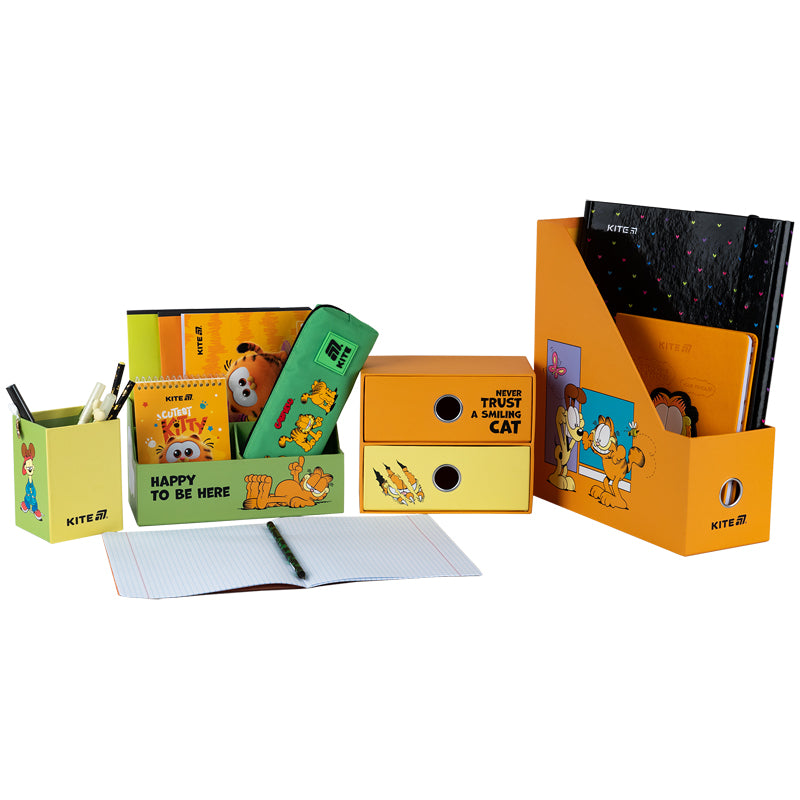
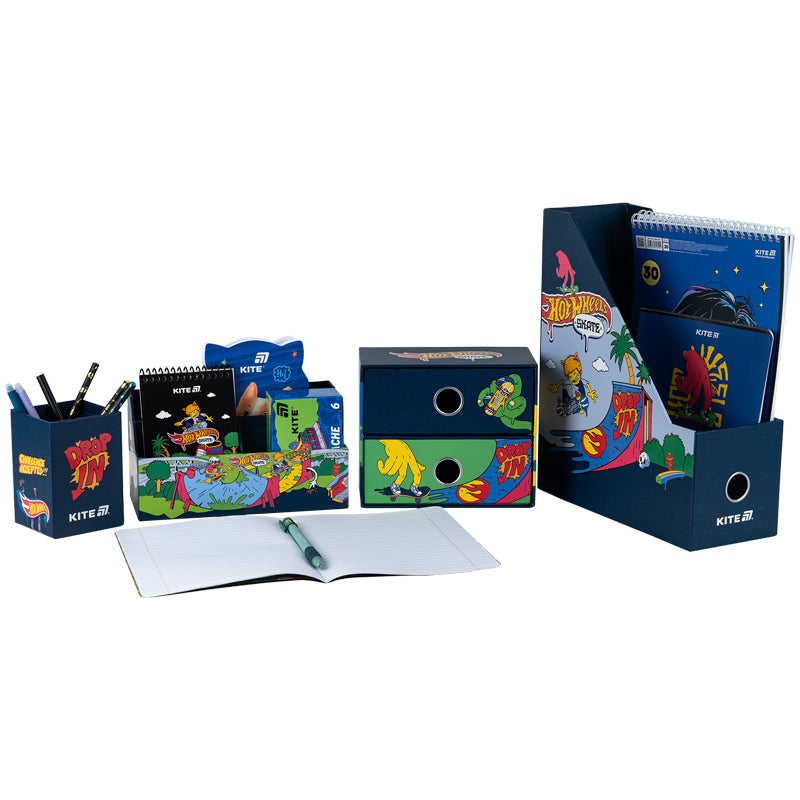
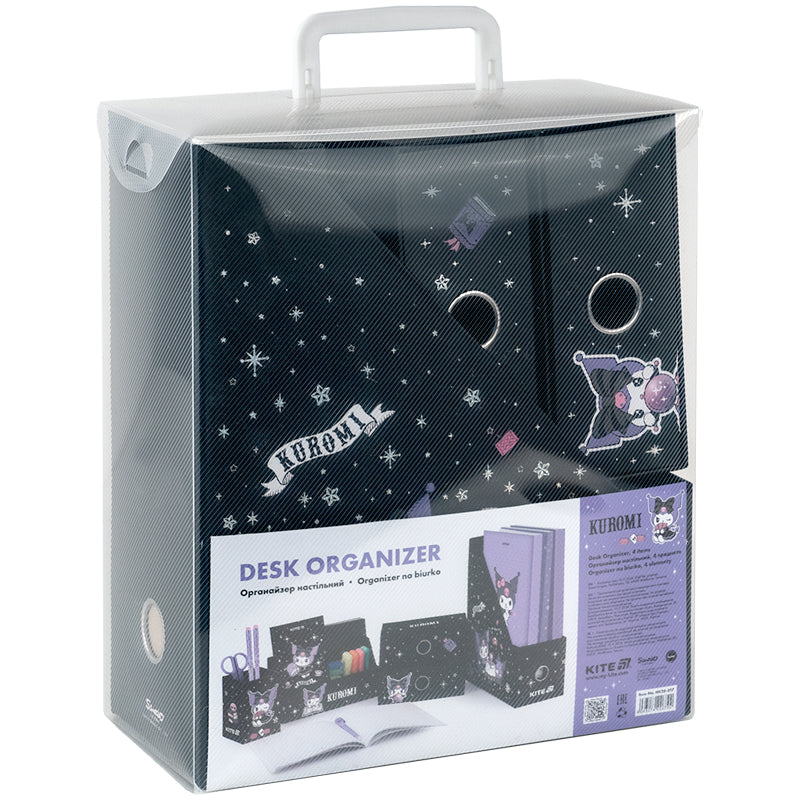
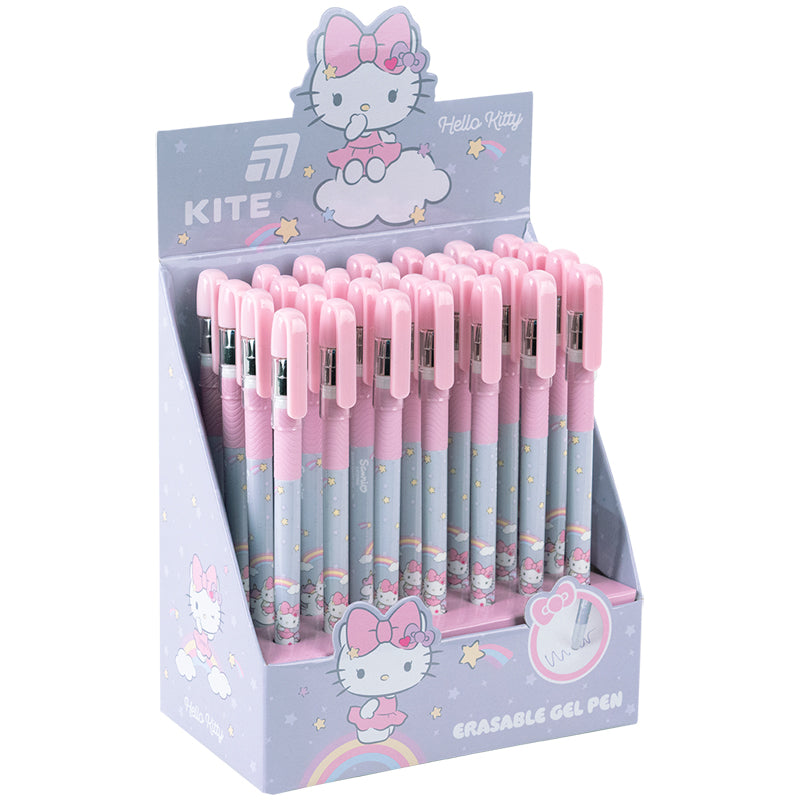
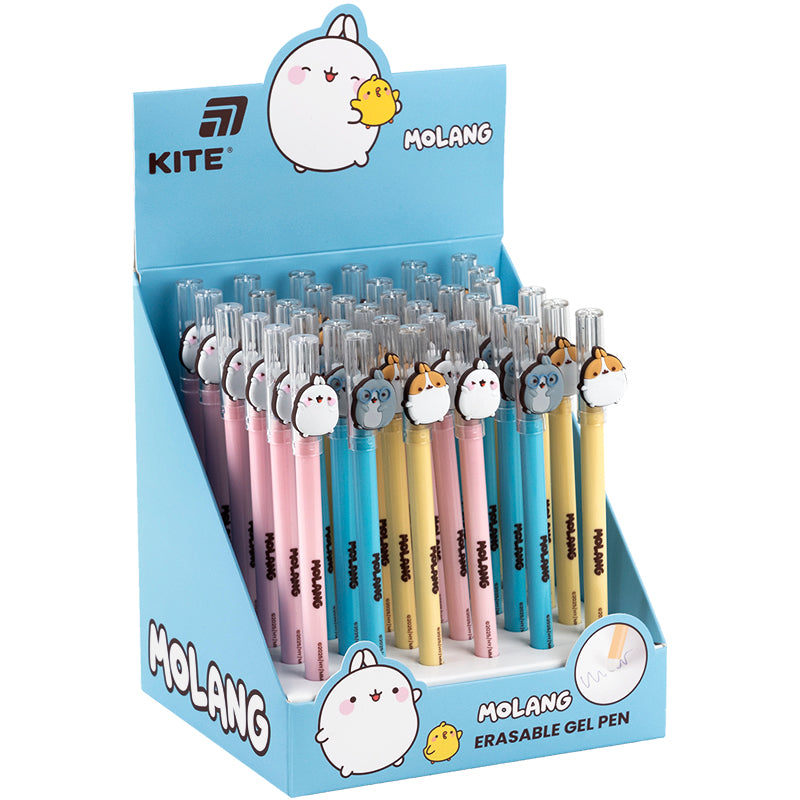
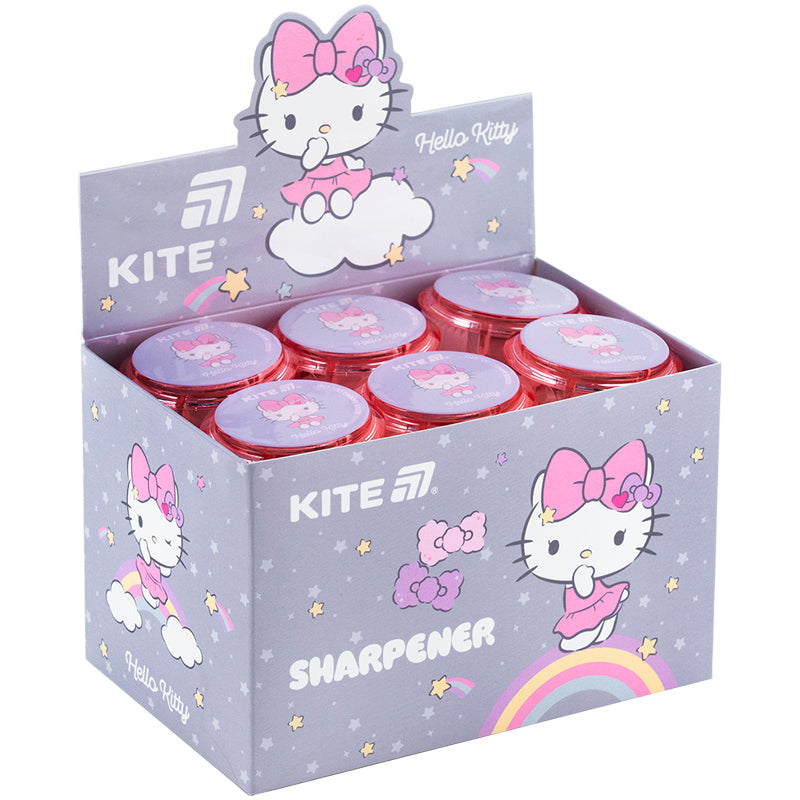
Modern Kite stationery is a true "magic wand" that colors a child's everyday life with new hues.
- Notebooks with favorite characters: learning is not a boring routine, but an adventure in the world of Harry Potter.

- Planners, organizers, clocks: together with the child, organize the day, mark achievements with stars, plan small victories.

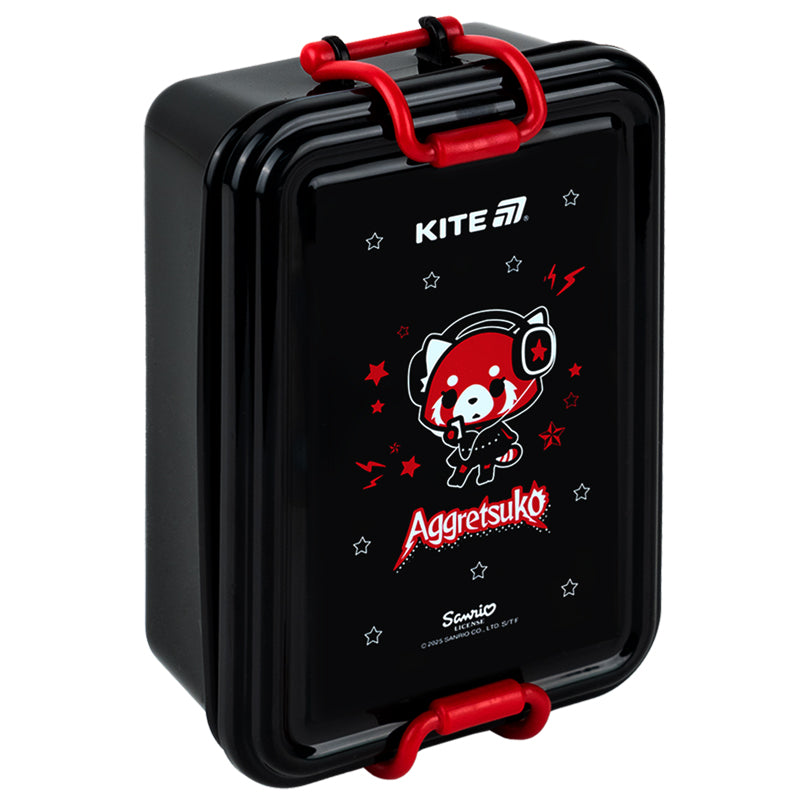
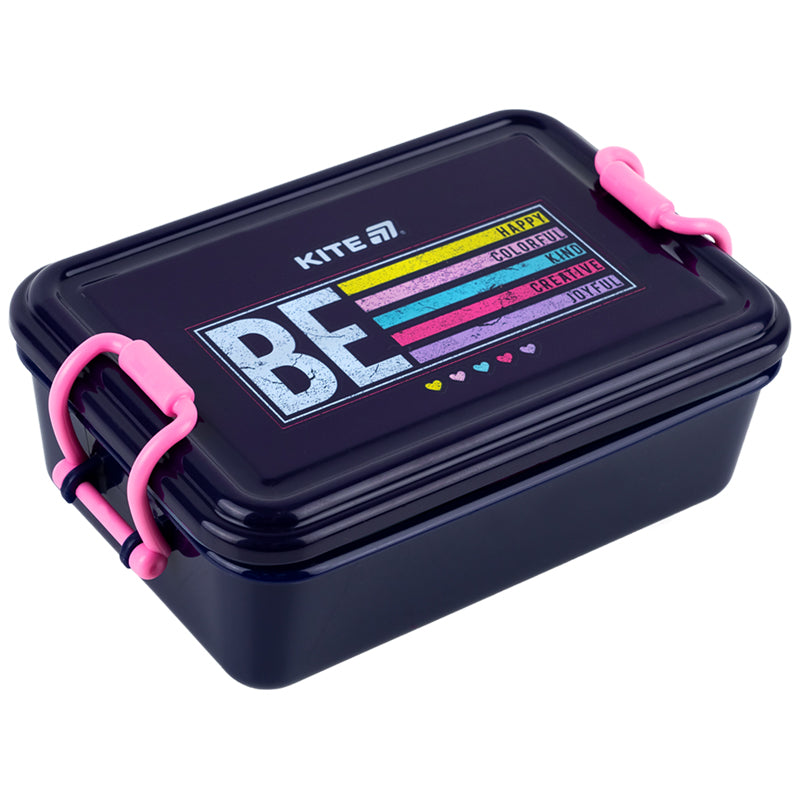
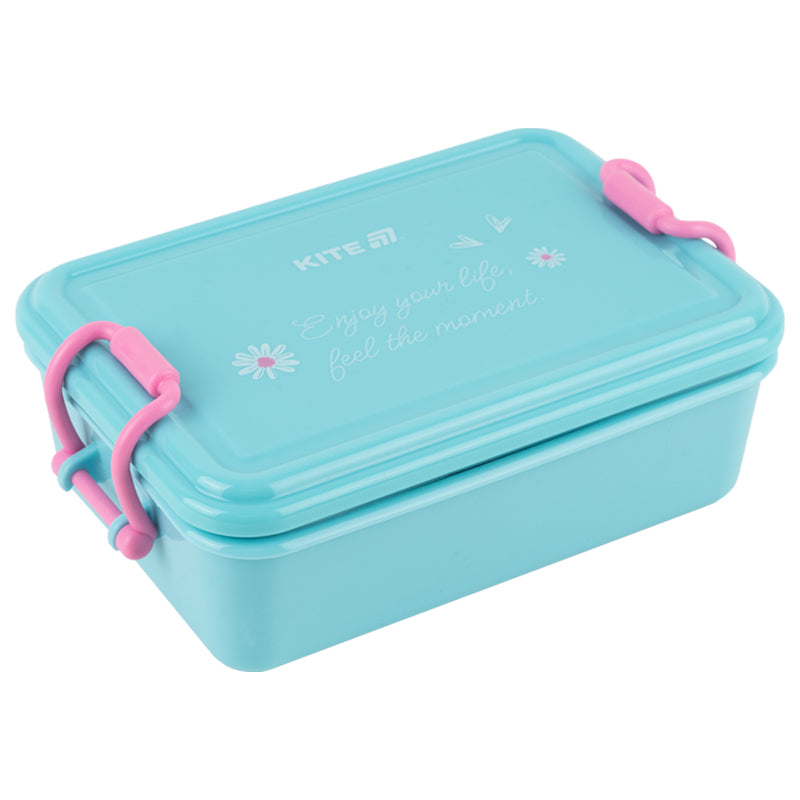
- Quality backpack or lunchbox: it's not just about convenience, but also about the feeling of care that the child carries with them every day.

Remember: the main thing is not just to find a "super tutor," but to help the child believe in their own abilities, not be afraid of difficulties, and feel your support. Learning is not a sprint, but a marathon with backup, warmth, and understanding. And you can make this distance comfortable, interesting, and filled with small victories for your child.